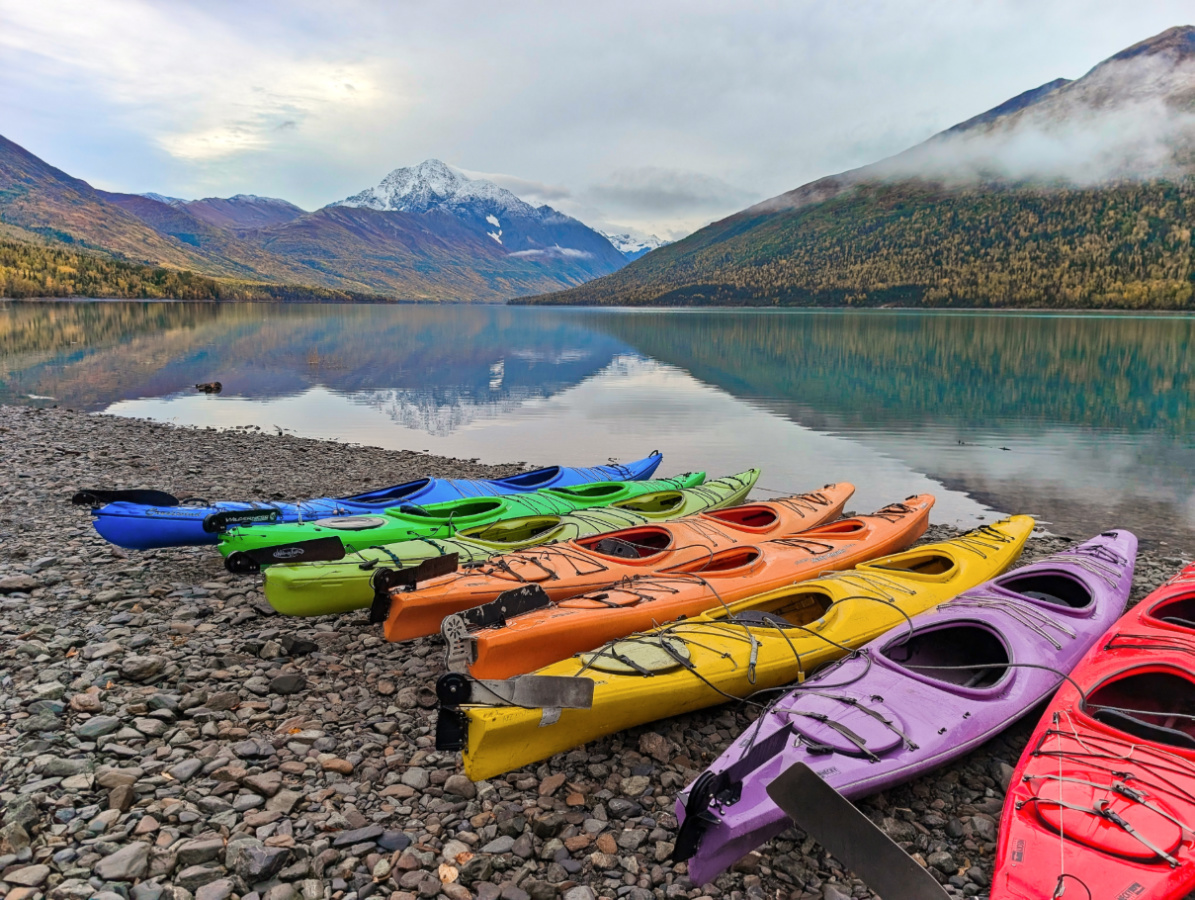
What’s the best way to see Alaska? Alaska is 663,000 square miles, bigger than Texas, California, and Montana combined. The truth is that no single type of trip covers all of it, and no single visit should try. Most first-timers burn time looking for the “perfect” way to see Alaska when the better question is: which travel mode fits your specific trip desire, budget, and priorities? The best way to see Alaska depends entirely on those answers: coastal cruising, an inland road trip, something epically remote, or a small-ship expedition. Each one shows off a completely different side of the state.
This article is a straight-up comparison of the four main ways to experience Alaska: big-ship cruise, small-ship expedition, self-drive road trip, and fly-in adventure. By the end, you’ll know which one fits your trip goals and budget, with sample itineraries, cost ranges, and clear next steps. If you have any questions about planning your trip or need some specific recommendations after reading this, pleas leave a comment or send us a note. We’re always happy to share more and help you plan a great trip to Alaska!

Why no single travel mode covers all of Alaska
You get it that Alaska is big, right? No matter how many times we drive the Parks Highway or the Glenn Highway, I always am reminded “OMG, Alaska is huge” and these drives barely scrape the surface. Read on and we’ll help you understand the layout of AK and how to figure out the best way to visit Alaska for YOU.
The geography problem most first-timers don’t expect
Coastal Alaska and interior Alaska are essentially two different destinations. The Inside Passage, Kenai Fjords, and Southwest Alaska are maritime environments reached by ship, ferry, or floatplane. Interior Alaska, where Denali, Fairbanks, and Talkeetna sit, is separated from the coast by hundreds of miles of mountains and wilderness. A standard Inside Passage cruise doesn’t get you anywhere near Denali National Park. A Denali road trip doesn’t get you to a tidewater glacier face to see it calve off. This geographic divide is the fact that shapes every planning decision when you’re putting together a trip.
Understanding this upfront saves you from building an itinerary that tries to do both in five days and ends up doing neither well. You can get a little mix of the Interior and the coast, and maybe you’ll be satisfied, but you’ll be left wanting more. The good news is that Alaska’s major regions each have a travel mode that plays to their strengths.
What you actually have to choose between
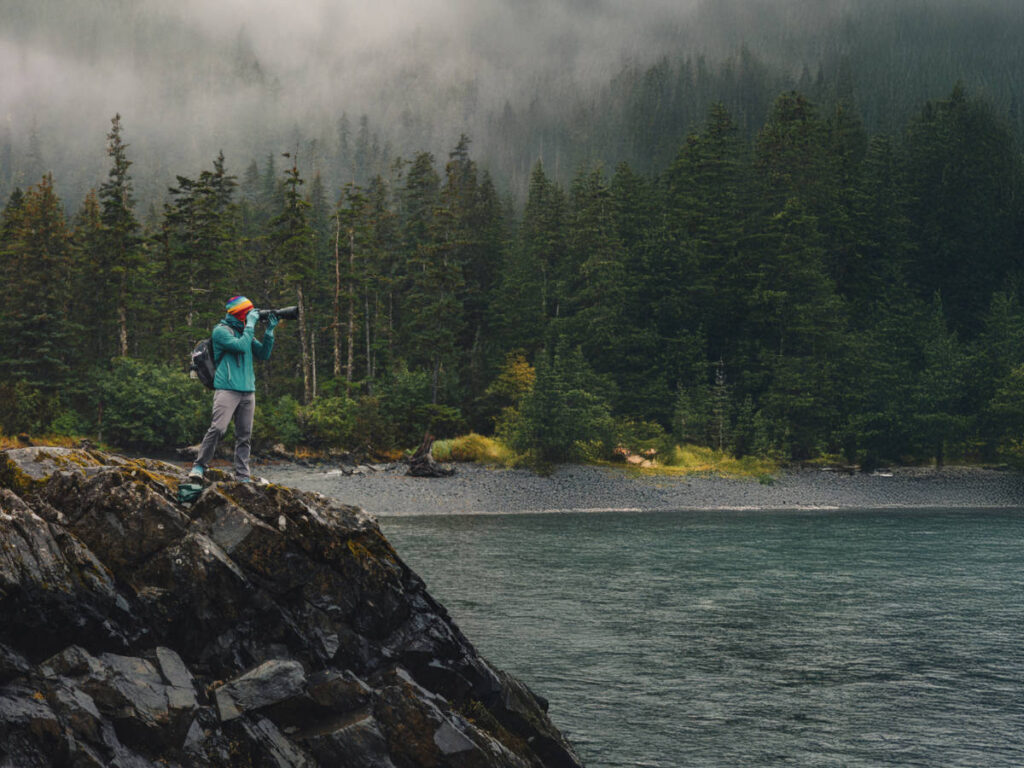
There are four primary travel modes worth considering: big-ship cruise, small-ship expedition, self-drive road trip, and fly-in adventure. Combinations exist and can be spectacular, but they require more time and more money. Each mode has a clear best-fit traveler profile. Having worked in Alaska with both cruise guests and land guests, I can say that these two options are both the most popular and the most accessible ways to see AK, and if you have the time and budget you can actually put them together to experience a lot in one trip.
Having said that, if you’re choosing one of these options, you’ll likely not be pairing a small expedition ship or a fly-out trip with them. It just doesn’t make sense. Let’s dig into all that now…

Big-ship cruises: the simplest way to see coastal Alaska
I moan about cruise ships, both as a land-based Alaska person AND as a person who understands the impact cruising has on the environment and the small towns. Having said that, I also know that for many people this is the best option to see Alaska because of the access it provides, and for a lot of both older and differently abled visitors, cruises are a way to explore and have necessary services and support. I also know that some people don’t consider anything besides cruising because that’s just how they do things.
What an Inside Passage cruise delivers
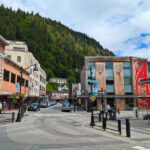
A standard Inside Passage cruise hits the highlights of Southeast Alaska in a way that requires almost no logistical effort from you. Ports usually include Ketchikan, Juneau, Skagway, and either Glacier Bay National Park or Tracy Arm (not open in 2026) for glacier viewing. You unpack once. Meals are included. You watch humpback whales, bald eagles, and tidewater glaciers from the deck without coordinating a single transfer. For first-time Alaska visitors who want scenic coastal experiences with the lowest planning complexity, the big-ship cruise delivers exactly that for you and thousands of your closest friends.
Wildlife is a big draw on these routes. May through September means that you can see really active marine wildlife: humpback whales, orcas, sea otters, harbor seals, and Steller sea lions. You can have realistic expectations to get sightings throughout the season from your ship. Bald eagles are commonly seen in coastal port towns and the fjords where you’re closer to the shore. The glacier scenery at Glacier Bay and Hubbard Glacier is widely thought of as the most dramatic in Alaska (but Endicott Arm is my favorite).

Where big-ship cruising falls short
Port calls typically run six to eight hours, which doesn’t leave room for seeing and doing much beyond the highlights. That’s why when you’re booking activities you’ll see the term “worry free shore excursion.” That’s how tour operators say “We’ve got you and you won’t get left behind when the ship leaves.” Most wildlife viewing happens from the ship deck, not from a kayak near the surface of the water, and seeing a calving glacier happens from a distance, not up close among the icebergs. The experience is broad but not deep, and the large-ship environment can feel more resort than wilderness. Interior Alaska is completely off the table unless you book a cruise-tour add-on that extends your trip by several days.

What it costs and who it’s best for
Budget roughly $1,900 to $5,200 per person for a 7-day cruise, factoring in excursions, gratuities, and onboard spending beyond the base fare. Note that this range assumes roundtrip airfare from the continental U.S. is NOT included. Base fares alone run $900 to $1,600 per person for standard interior cabins in 2026. Onboard gratuities add roughly $120 to $200 for the week, and port excursions can push the total well past the sticker price if you book multiple tours. Big-ship cruising is best for travelers with five to seven days, those who want the lowest planning stress, and couples or families who prioritize just getting to have a trip and enjoy the scenery and glacier views without dealing with other Alaska logistics.

Small-ship expeditions: the Alaska cruise done differently
A lot of people overlook the option of a small-ship expedition to experience the Inside Passage, and I think it’s one of the best ways to see Alaska. They think that the cost is going to be just too much per person or that they will miss the amenities of the big ship. Sure, that may be, but I can tell you having experienced both and having worked for both, small-ship cruises are just as doable of an option as a big ship if you’re being active and doing all the excursions.
What separates small-ship travel from the mainstream cruise experience
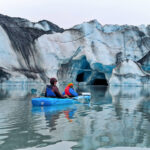
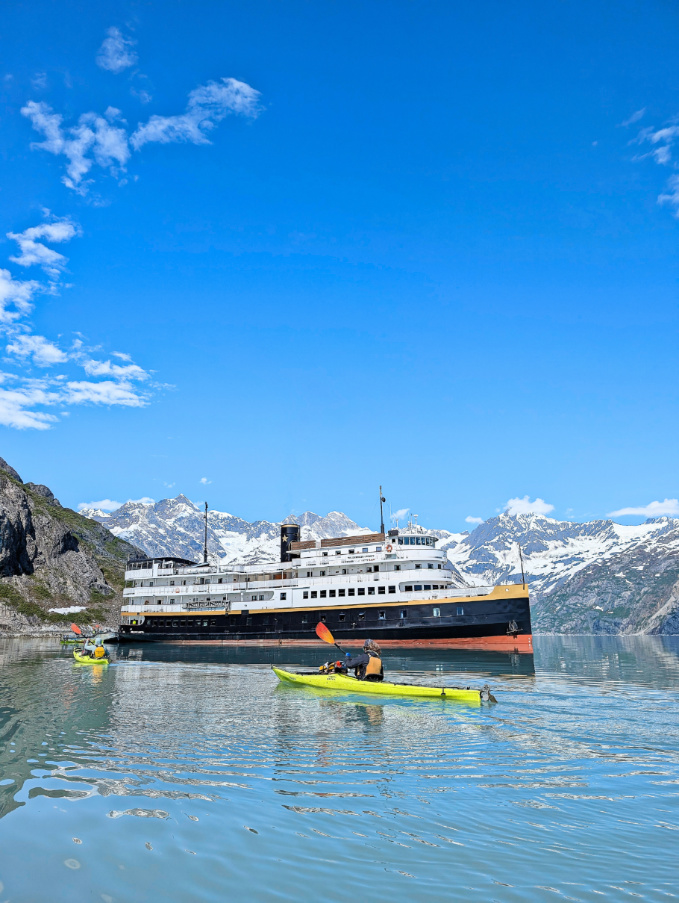
Small expedition ships, most carrying fewer than 100 passengers, access fjords, coves, and waterways that large ships physically can’t enter. Literally, the big ships simply cannot access many of the areas small-ship itineraries get to explore. Zodiac and skiff launches bring you close to calving glacier faces, bear-watched shorelines, and humpback whale feeding grounds. Onboard naturalist guides explain what you’re seeing in real time, and they’re just there, present with you all the time. The wildlife encounter rate on a small-ship expedition runs significantly higher than on a big-ship sailing because you’re not observing from a distance; you’re in it.
Kayaking, paddleboarding, and skiff excursions are typically built into the itinerary rather than sold as add-ons. This setup means the daily experience is active and close-contact with Alaska rather than scenic and passive as you just sail by. For travelers who find large ships impersonal and want Alaska to feel like an expedition rather than a vacation, this is the right format.
UnCruise Adventures: an amazing small-ship experience
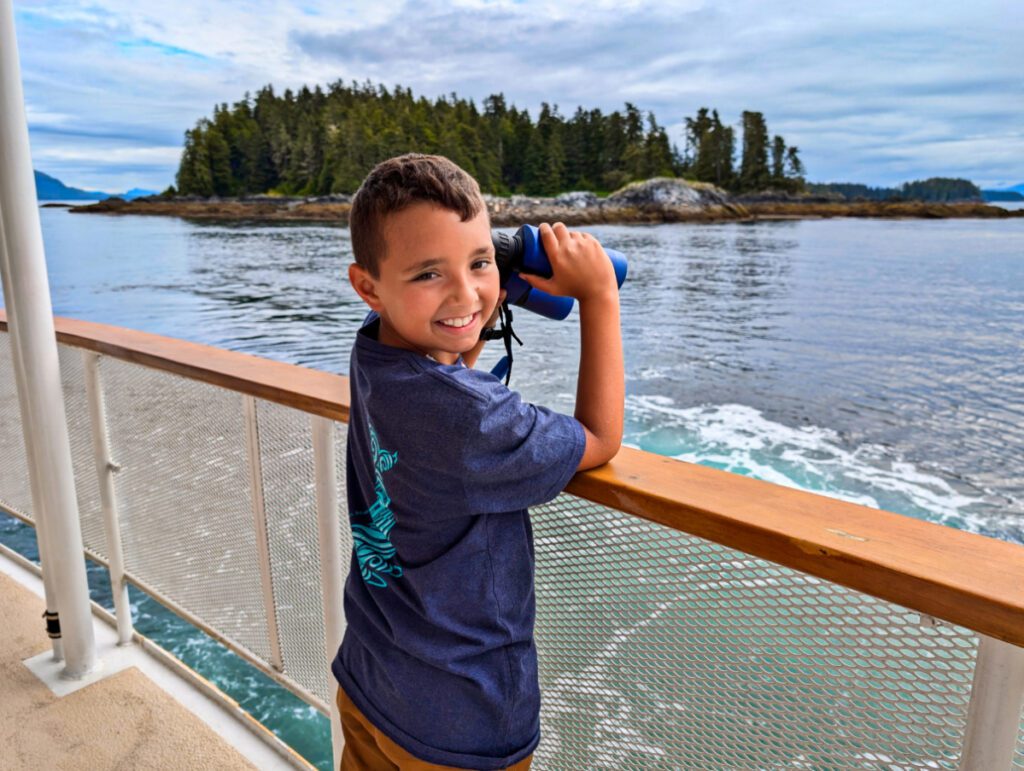
We’ve gotten to partner with UnCruise Adventures in the past and have actually done small ship sailings in both Alaska and Hawaii. We like UnCruise specifically because their approach aligns with responsible, small-footprint travel in Alaska. Their Alaska itineraries cover Southeast Alaska, Glacier Bay, and the Inside Passage, with 7- to 13-night routes that include kayaking, Zodiac excursions, and naturalist-guided shore landings. They also do a longer, more remote trip that explores the Aleutian Islands. Typical routes feature Glacier Bay National Park, Endicott Arm, South Dawes Glacier, and wildlife-rich anchorages that large ships never visit.
Sailing around Admiralty, Baranof and Chichagof Islands, the scenery and wildlife is epic! One of my favorite areas we got to explore with UnCruise was the Inian Islands. This was some of the most amazing wildlife viewing we’ve had anywhere in Alaska. Check out UnCruise Adventures. When booking with UnCruise, mention our code (online or via phone) TWODADS500 to receive $500 discount towards your passage.
The Boat Company: small ship FISHING trip
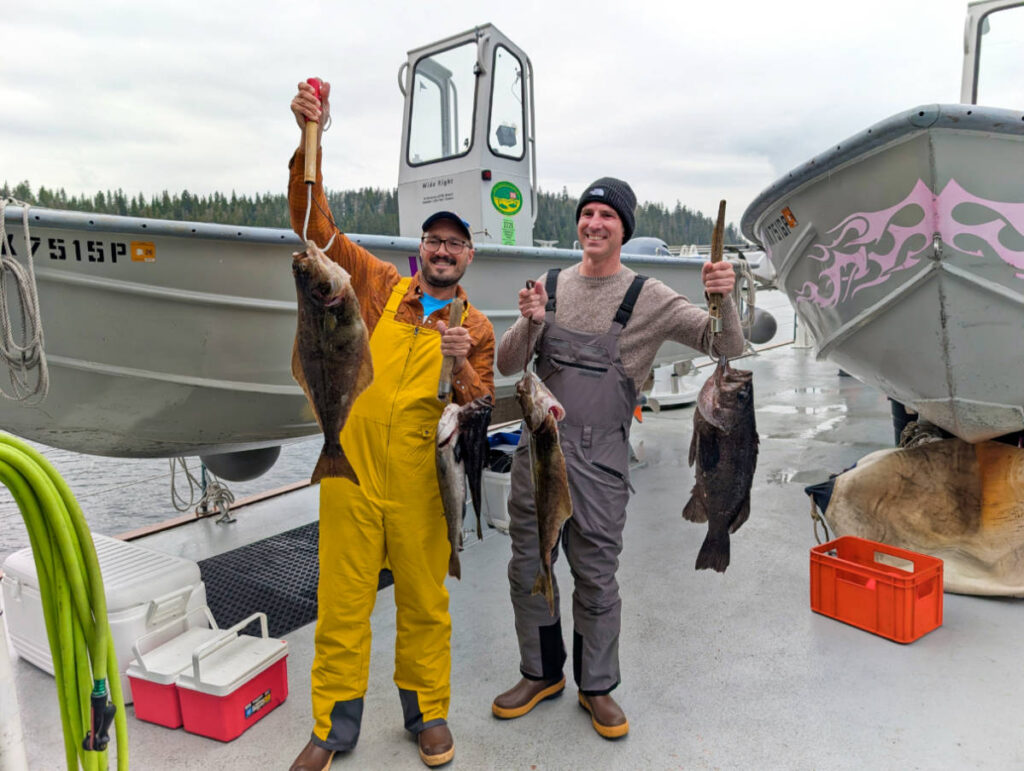
The Boat Company is the only non-profit cruise line in the world, but it’s not just a cool small ship sailing. It’s one of the only companies that includes fishing as one of its daily excursions. For some people, the best way to see Alaska is by booking a fishing trip to a remote destination, but that doesn’t always work for the significant other or travel companions, so doing the Boat Company trip that is an expedition sailing with excursions AND fishing every day is a great way to check off those two different sorts of travel. Like with UnCruise, the Boat Company is all-inclusive of your excursions, meals and drinks.
The side of the Boat Company that makes it exceptional, besides the experiences and service, is that it’s putting all of its profits back into Alaska. Being a non-profit, the Boat Company reinvests in the communities of Southeast Alaska and in protection of the Tongass National Forest. The Tongass is greatly at risk with the repealing of the Roadless Rule and the Boat Company is taking on legal battles to protect it. If you’re interested, check out The Boat Company cruises. When booking with The Boat Company, mention our code (online or via phone) MyAKtrip to receive a 10% discount on booking your expedition.

The Trade-off on cost and fit for Small ship sailing
Small-ship expeditions cost more than big-ship cruises. Budget roughly $3,500 to $6,000 or more per person for a 7- to 8-day sailing, depending on cabin and itinerary. UnCruise’s 2026 Alaska fares start around $3,800 per person on entry-level sailings and climb to $8,000 or higher for longer itineraries. The Boat Company fares range from $8,000 to $11,000 but remember that these sailings including fishing AND it’s a non-profit.
These price points include all excursions, customized dining and alcoholic beverages, which is the reason the sticker price looks higher than a big-ship cruise when the total cost comparison is actually much closer. Small ship cruising is not the budget option, but for active travelers, serious wildlife people, and anyone who finds large ships feel like floating hotels, the small-ship expedition is the strongest coastal Alaska experience available.
Really, adding up the extras with big ships will stun you. They may be the budget option, but they’re only that if you’re doing an interior cabin, not doing any specialty dining, not doing a drink package, and not doing any excursions.
Alaska Road Trips: the path to the Interior
I love road trips, so I’ve always felt that it’s the best way to see Alaska. You can manage your own time, you can go off the beaten path, and you have the opportunity to see wildlife and just take your time observing it in the wild. Also, you can combine some of Alaska’s coastal towns like Seward, Homer and Valdez with its inland beauty, like Wrangell-St Elias and Denali National Parks. Road trips in AK are amazing.
What a self-drive itinerary actually unlocks
Road trips are the primary way to reach Interior Alaska. Denali National Park, the Kenai Peninsula, Talkeetna, and Fairbanks are all accessible by road or rail from Anchorage, and none of them show up on a standard cruise itinerary. A self-drive trip gives you the flexibility to hang out or hike when the mountain is visible, stay an extra night in Talkeetna because you booked a flightseeing tour, or spend a second day in Seward so you can hike at Exit Glacier up to the ice field. A ship schedule doesn’t allow for any of that.
The Alaska Railroad runs the Denali Star route from Anchorage through Talkeetna, Denali, and on to Fairbanks during summer months (typically May through September), with northbound departures from Anchorage at 8:15 AM arriving in Fairbanks at 8:00 PM. Rail can substitute for driving on specific legs, particularly the Anchorage to Talkeetna and Talkeetna to Denali segments, if you’d rather watch the scenery than manage the road. A great way to do a mixed road trip is to enjoy the Alaska Railroad from Anchorage to Fairbanks (or stop between) and then get a rental car in Fairbanks to drive back to Anchorage. This means you can go via the Parks Highway through Denali or you can drive the Richardson Highway to Valdez and back over to Anchorage.

Alaska Road trip itineraries for self-drivers
We publish detailed road trip itineraries built for independent travelers. A great, easy 7-day Alaska road trip itinerary that includes the Kenai Peninsula AND Denali looks like this:
- Day 1: Arrive in Anchorage, pick up your rental car
- Day 2: Drive south on the Seward Highway toward the Kenai Peninsula, with stops at Turnagain Arm and Portage Valley
- Day 3: Full-day Kenai Fjords National Park boat tour out of Seward
- Day 4: Explore Cooper Landing and Kenai Lake
- Day 5: Drive north through Anchorage toward Talkeetna
- Day 6: Denali wildlife bus tour or hike
- Day 7: Return to Anchorage
If you wanted to do a two week Alaska road trip that expands on the one above, you can add Homer, Palmer and Hatcher Pass, and then finish with some time in Fairbanks.
- Day 1: Arrive in Anchorage, pick up your rental car
- Day 2: Drive south on the Seward Highway toward Homer
- Day 3: Full-day of fishing and exploring
- Day 4: Ninilchik, Kenai, and Skilak Lake for small town charm and lake time
- Day 5: Russian River and Kenai River for fishing and bears
- Day 6: Seward for marine life and glaciers galore!
- Day 7: Kenai Fjords National Park: my happy place
- Day 8: Palmer to explore the Knik Valley and visit Chugach State Park
- Day 9: Glacier adventures on the Glenn Highway (rafting on the Matanuska River too!)
- Day 10: Hatcher Pass to Talkeetna scenic drive and river fun with a jet boat
- Day 11: Denali State Park to Denali Village and intro to Denali NP
- Day 12: Denali National Park Safari bus tour or tundra hiking
- Day 13: More Denali hiking and off to Fairbanks
- Day 14: Fairbanks and Chena Hot Springs
Our itineraries include driving distances, lodging recommendations, and realistic daily pacing so nothing catches you off guard. I personally think this is the best way to see Alaska.

Road Trip costs and logistics
Budget approximately $2,000 to $3,000 per person for a 7-day self-drive trip. This total (looks like a lot for being a road trip) covers a rental car, lodging, meals, and excursions. Alaska is the most expensive road trip state because rental cars are usually $200 per day in the summer. It’s insane in comparison to the lower 48 or even a rental car in Hawaii.
Logistics are more complex than a cruise: you’re managing reservations independently, driving unfamiliar roads, and dealing with weather variability that can change plans on short notice. Lodging near Denali in peak summer (July and August) books out early and costs more than comparable lodging in other parts of the state. Build that into your budget planning. Road trips are best for travelers with 7 to 10 or more days, road trip veterans comfortable with self-directed travel, and anyone with Denali or the Kenai Peninsula as a non-negotiable priority.

Rental Cars in Alaska
Renting a car in Alaska is expensive, but there’s also an added complication: regular rental cars prohibit several of the popular highways as they’re gravel roads into the wilderness. Regular rental cars cannot drive the following roads:
- Denali Highway – an option from Cantwell near Denali National Park cutting to the Richardson Highway connecting Glenallen to Fairbanks
- Edgerton Highway – connecting Copper Center to Chitina (the Fisherman’s Highway)
- McCarthy Road – connecting the Richardson Highway to McCarthy and Wrangell-St Elias National Park
- Dalton Highway – the epic gravel road to Deadhorse through the Arctic Circle
- Elliot Highway – north of Fairbanks into the Interior
- Dempster Highway – gravel road through the Yukon and into the Northwest Territories
- Steese Highway – north of Fairbanks heading up to Circle on the Yukon River
- KIondike Highway – connecting Whitehorse to Dawson City in the Yukon, accessible from Haines
- Taylor Highway – eastern Alaska connecting Chicken AK to Tok AK
- Top of the World Highway – aka Yukon Highway 9 or the Ridge Road
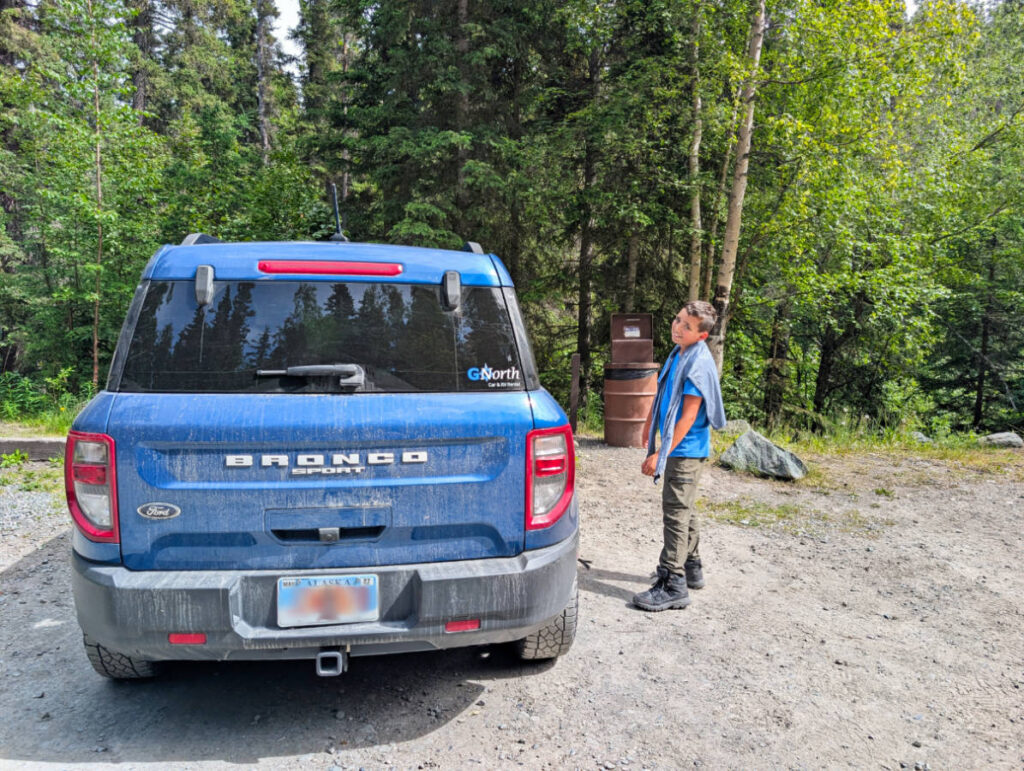
If your plans include any of these roads, you need to get a rental car through an independent agency. We use GoNorth Alaska Rentals for 4WD and full-sized spare cars. Check out GoNorth here! Use discount code GON2TD for a free mileage package with your vehicle rental. Be sure to use the code to get the mileage deal!
Fly-in adventures: reaching what roads and ships can’t
This is the most premium way to visit Alaska and it’s really not on the table for a lot of people planning their first visit. While flightseeing can be added to an itinerary, that’s not the same as a fly-in or fly-out adventure. Here’s the scoop…
What flightseeing and fly-in access actually means
Large portions of Alaska have zero road access. The only way in is a floatplane or bush plane. Flightseeing tours over Denali, Ruth Glacier, and the Alaska Range deliver views that no highway, cruise ship, or train can match. From a small aircraft, you take in the full scale of a 20,310-foot peak while flying over the vast glaciated fields of the Alaska Range, a perspective that simply doesn’t exist from the ground. But you can add this to a day in Talkeetna or from Anchorage.
Based out of Talkeetna, K2 Aviation is the premiere flightseeing to explore and experience Denali National Park from the air. With year-round flightseeing (yes, even in winter!) K2 Aviation offers a variety of flight tours to take in the majesty of Denali, including landings. CHECK OUT K2 Aviation here! When booking online or over the phone, use code 2traveldads for a 10% discount on your passage!
Now for the other side of flying options in Alaska. Fly-in lodge experiences drop you into wilderness that feels genuinely remote because it genuinely is. This sort of trip will be a multi day, usually 3-7 days, where you’ll be at a remote lodge and it’ll be all-inclusive. This is very popular for fishermen who want to be fully immersed in the summer salmon season. This is NOT a common choice or the best way to visit Alaska if you are bring kids along or if you want a variety of experiences.

Best Flightseeing Options in Alaska: Rust’s Flying Service and Outbound Heli Adventures
Rust’s Flying Service operates out of Lake Hood in Anchorage and offers floatplane tours, Denali flightseeing, and wildlife viewing flights. For visitors who want the Alaska that shows up in documentaries, a flightseeing excursion is often the single most memorable experience of the entire trip. A typical Denali overflight runs two to three hours, departing from Anchorage or (or with K2 in Talkeetna for a shorter flight), and covers the Ruth Amphitheater, the glaciated Alaska Range, and, weather permitting, a close pass near the summit. I think the most amazing flightseeing is to Lake Clark National Park or Katmai (both through Rust’s). This is EPIC bear viewing and you’ll be jawdropped by the whole experience. CHECK OUT RUST’S FLYING SERVICE here! When booking online or over the phone, use code 2traveldads for a 10% discount on your passage!

Outbound Heli Adventures is our pick for helicopter flightseeing. They operate out of Palmer and really create a different sort of flying experience. With glacier landings, watching wildlife from the air (the most moose we’ve ever seen!) and scenic landscapes like you wouldn’t believe, Outbound is awesome. The Knik Valley with its glaciers and rivers is one of the most beautiful sights in Alaska. I’ve done it in summer, fall and winter and it never disappoints. Check out Outbound Heli Adventures here! Booking through this link is a direct booking and you’ll even get a 5% discount on your Outbound Heli Adventures flightseeing!

Who fly-in travel is right for
Fly-in adventures work best as an addition to another travel mode unless you’re really planning an epic remote trip. A road tripper who adds a Denali flightseeing trip gets the best of both the ground-level and aerial perspective. Budget $300 to $600 per person for a flightseeing tour. Full fly-in lodge packages are premium and typically run $1,000 or more per person per night, with transport, guiding, food, and accommodation all factored in.
Best fit: travelers who want true wilderness access, are comfortable in small aircraft, and are willing to pay for an experience that simply isn’t available any other way. If you don’t have the budget for it or if the thought of being in a helicopter or small aircraft is scary, this is not for you.

Best Ways to Visit Alaska: direct cost comparison
Here’s the actual budgeting side that you have to consider. A dream trip might only cost you $2000 or you may shoot for the stars and the price tag is $20k. Do what you can do at a cost that won’t stress you out.
The cost breakdown side by side
Here’s what a 7-day Alaska trip costs per person across each primary travel option:
- Big-ship Inside Passage cruise: $1,500 to $4,000, including roundtrip airfare from the continental U.S., excursions, gratuities, and extras
- Self-drive road trip: $2,000 to $4,000, covering rental car, lodging, meals, and excursions
- Small-ship expedition: $3,500 to $11,000 or more, with excursions included in the fare
- Flightseeing add-on: $300 to $600 per person; fly-in lodge packages start at $1,000 per night
The cruise is typically the cheapest entry point for coastal Alaska. The small ship costs more up front but includes excursions that would be extra on a big ship, so the real cost gap narrows when you compare apples to apples. The road trip lands in the middle but requires more planning overhead and is the only option that gets you to the interior.

Hidden costs most travelers overlook
I always get home from a trip, shocked by how much I’ve actually spent. Cruise gratuities, port excursions, and onboard spending routinely add $500 to $800 to a cruise budget beyond the base fare. Road trip costs spike when lodging near national parks is factored in, especially inside the Denali corridor in peak summer, where rooms book out months in advance at premium rates. Small-ship fares look high until you realize kayaking, Zodiac excursions, fishing (with the Boat Company) and naturalist guiding are included in the price. Fly-in lodges may charge for everything separately, but some include EVERYTHING so always confirm what’s included before comparing packages.

Best trip length to visit Alaska
Now, how long do you actually need to have the best Alaska visit? It’s going to be different for everyone and can be influenced by budget, actual available time away from home, and whether or not this is a once-in-a-lifetime trip.
5 to 7 days: the best way to see Alaska when time is short
With less than a week, a standard Inside Passage cruise is the strongest choice for most travelers. You see a few ports, multiple glaciers, and coastal wildlife without burning half your trip on transit between regions. A road-only trip of this length typically leaves travelers feeling rushed between Anchorage, Seward, and a Denali day trip with little breathing room. The cruise covers more geography per day than any land-based alternative at this trip length.
7 to 10 days: choosing the best way to see Alaska, road trip or cruise
Seven to ten days is where the decision gets genuinely interesting. A cruise still works well, but a self-drive trip that includes the Kenai Peninsula plus Denali National Park in the itinerary becomes a good option. The 7-day road trip above covers Anchorage, Seward, the Kenai Peninsula, Talkeetna, and Denali at a reasonable pace. The Alaska Railroad can substitute driving on the Anchorage to Talkeetna and Talkeetna to Denali legs, departing Anchorage at 8:15 AM and arriving at Denali by 3:40 PM, if you’d rather ride than drive. At this trip length, the right call comes down to whether your priority is coastal glacier scenery (cruise) or Denali and the interior (road trip).

10 to 14 days: the land-and-sea combination
With two weeks, the strongest, best Alaska experience combines a cruise or small-ship segment with interior land tour. A practical 10 to 14 day cruisetour looks like this: a 7-day Inside Passage cruise followed by land travel through Anchorage, Denali, and Fairbanks, or the reverse sequence with land first and cruise second. Cruise companies will offer this (at a premium price). This is the trip that covers both coastal and interior Alaska without shortchanging either. This is also the trip length where adding a Rust’s Flying Service or K2 Aviation flightseeing becomes a natural fit, stacking three very different Alaska experiences into one complete itinerary.

The best season for each travel style
May, July and September are my three favorite months in Alaska and for very different reasons. Consider what time you have available and what’s going to work best for your visit.
May through June: bigger ice, active wildlife, fewer crowds
May and early June deliver the freshest glacier ice, active spring wildlife movement as the humpback whales return in full force, bears emerging from dens and moose with calves. Regarding budget, meaningfully lower hotel and cruise prices compared to peak summer make it a good time to book. Temperatures are cooler and weather is less predictable, which matters more for road trips than cruises. This window is the strongest choice for small-ship and cruise travelers who prioritize glaciers and fjord scenery and don’t mind trading warmth for better ice and fewer crowds.

July through August: the peak season for a reason
I love July in Alaska even though that’s when it’s the busiest. July and August bring the longest daylight hours, warmest temperatures, and the best access to road, rail, and cruise routes across the state. Bears are active on salmon runs starting in late July, humpback whales are consistent in coastal waters, and all visitor infrastructure is fully operational. This is when Alaska is easiest to navigate, but also when prices are highest and popular sites are the most crowded. Denali National Park lodging and bus tours book out VERY FAR IN ADVANCE. July and August are best for road trippers with families and first-time visitors who want the most accessible and easy travel conditions.

September: the overlooked shoulder season
I freaking love Alaska in September. September is consistently underrated and it’s hands-down the best time to visit (except for whale watching). Crowds thin out, prices drop, early fall colors appear across the tundra and glacier valleys, and bear viewing near salmon streams peaks before hibernation begins. Marine traffic decreases, which makes small-ship sailings feel even more remote. Weather can seem less reliable than summer, and most operator schedules begin winding down by mid-month. Experienced Alaska folks rank September trips among their best. While the costs aren’t quite as low as a May visit, it’s still cheaper than July or August.

Which Alaska experience is actually right for you
The decision of what is the best way to visit Alaska for YOU is straightforward once you cut through the complicated understanding of the options.
- Cruise for coastal simplicity.
- Small ship for depth, wildlife access, and an expedition feel.
- Road trip for the interior, Denali, and the freedom to move at your own pace.
- Fly-in for wilderness that roads and ships simply don’t reach.
Trip length and budget are the most honest filters: five days and a mid-range budget points toward a cruise. Ten days with Denali as the priority points toward a road trip with a rail segment. A visitor who wants the full expedition experience books a small ship.
I hope this is helpful and that you can start putting together your own Alaska trip. If you have any questions about what we’ve shared or need some specific recommendations, please leave a comment or send us a note. We’re always happy to chat about AK and help others plan amazing experiences!