If you love doing an Alaska cruise, let me tell you about one of North America’s best-kept travel secrets: exploring Southeast Alaska on your own terms, without being herded around with thousands of cruise passengers. Trust me, once you experience the Inside Passage this way, you’ll wonder why anyone does it differently. Cruises bring you to beautiful sights and it’s a great way to get a snapshot of the different port, but you’ll love THIS experience.
Southeast Alaska is drop-dead gorgeous between the pristine fjords, towering glaciers, breaching whales and charming coastal towns that’ll steal your heart. Millions of people get to enjoy the paradise of the Inside Passage from cruise ship decks, but they’re missing out on SO much. When you explore independently, hopping between islands on ferries and small planes, you’re in for the an unforgettable adventure.
I’m sure you’re thinking that this sounds amazing, but complicated. Don’t worry. We’ve got your back as my family and I have done this incredible Southeast Alaska adventure with our kids, and it really is manageable. Whether you’ve got a week or two weeks, whether you’re on a tight budget or ready to splurge, we’ll help you craft the perfect itinerary. If you have questions along the way, just leave a comment or send us a note. We love chatting about Alaska and helping you plan a wonderful trip.
Why NOT Choose a Cruise Ship? (you’ll thank us later)
I’m not here to trash-talk cruise ships as they certainly have their place and some people absolutely love them. But the reality of cruising is that you dock in a beautiful Alaskan town alongside 3,000 other passengers. Everyone disembarks from the ship at once, filling the same streets, heading into the same shops, and booking a lot of the same excursions. A few hours later, you’re brought back onboard before you’ve even scratched the surface of what makes each town special.
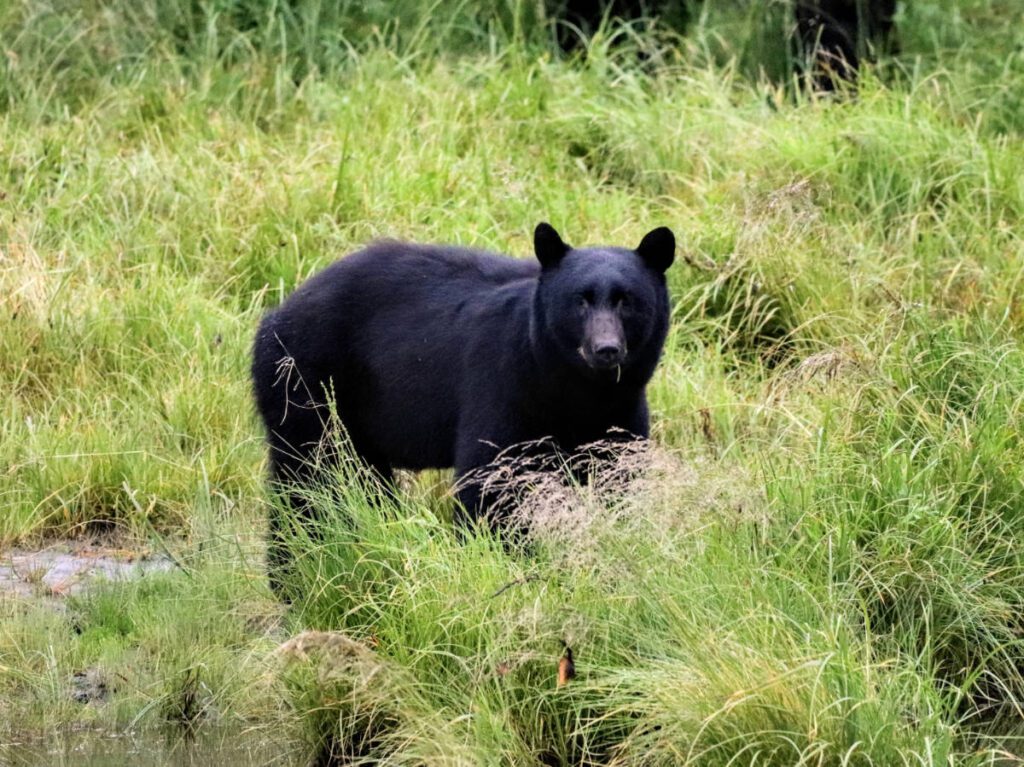
Now imagine this instead: you wake up in a cozy local inn, grab coffee from a mom-and-pop café, and decide on a whim to extend that morning hike because you just spotted a family of black bears fishing for salmon. No ship horn calling you back and no crowds to navigate. Just you, Alaska, and all the time in the world to soak it in. I sound cheesy, but it’s what I love about doing the Inside Passage without a cruise ship.
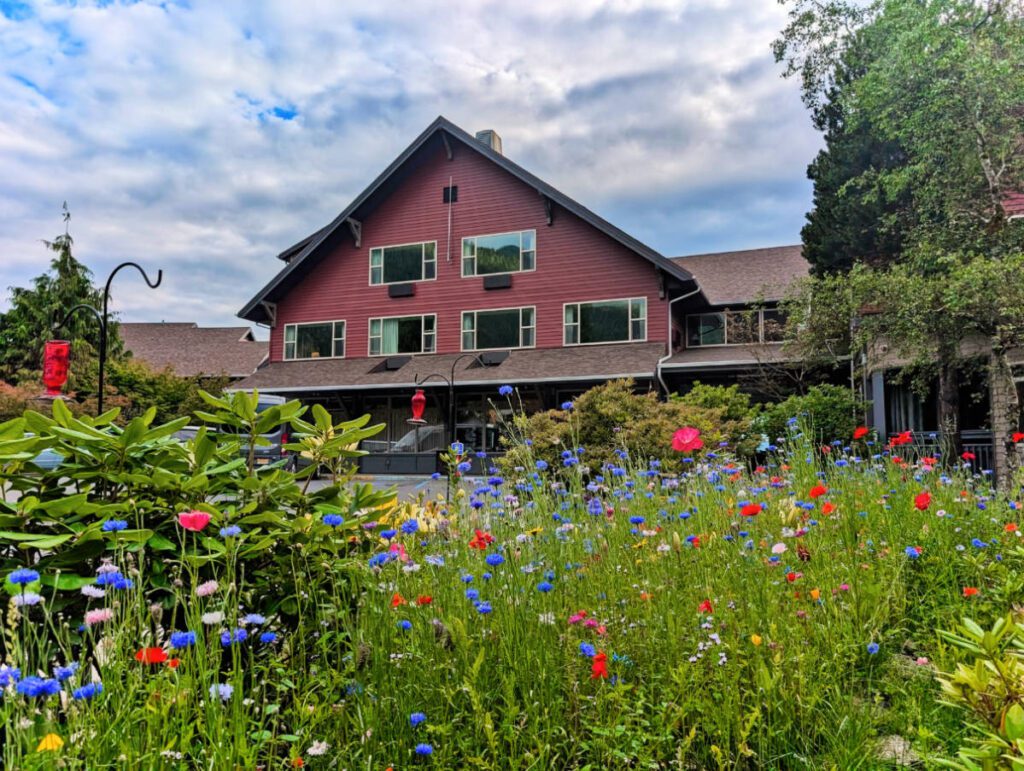
When you travel independently, you get the chance to support more local businesses instead of cruise-line-owned shops. You’re eating at restaurants where locals actually dine. You’re discovering hidden trails and secret viewpoints that cruise passengers never even hear about or have time to visit.
Note: small ship options like UnCruise or the Boat Company give you that seafaring experience without the mega-ship madness, and with those options you’ll get to explore parts of the Inside Passage that you cannot even reach when you’re using the Marine Highway or other options.
We should talk about money for a second. Summer in Southeast Alaska isn’t cheap, but when you break down the costs, independent travel can actually cost less than a balcony stateroom on a cruise ship. Some cruise deals might seem cheaper per day, but remember what you’re getting and where that money goes. With independent travel, every dollar goes toward authentic experiences and local businesses. It’s all about what matters most to you!
Getting There and Getting Around: It’s Easier Than You Think
Getting to Southeast Alaska is actually super straightforward. Daily flights from Seattle and Anchorage to Juneau and Ketchikan make it a breeze to start your adventure as either airport can typically be reached with just one connect. But flying isn’t your only option, and honestly, some of the alternative routes are half the fun if you have the time. You can charter a boat from Seattle or Vancouver to get you to Prince Rupert BC and then onto Ketchikan, but this is wildly expensive… and incredible, I’m sure. And you can also drive to Haines at the north end of the Inside Passage and then ferry your way through the islands. Let’s start by digging into using the Alaska Marine Highway System of ferries.
Taking the Alaska Marine Highway
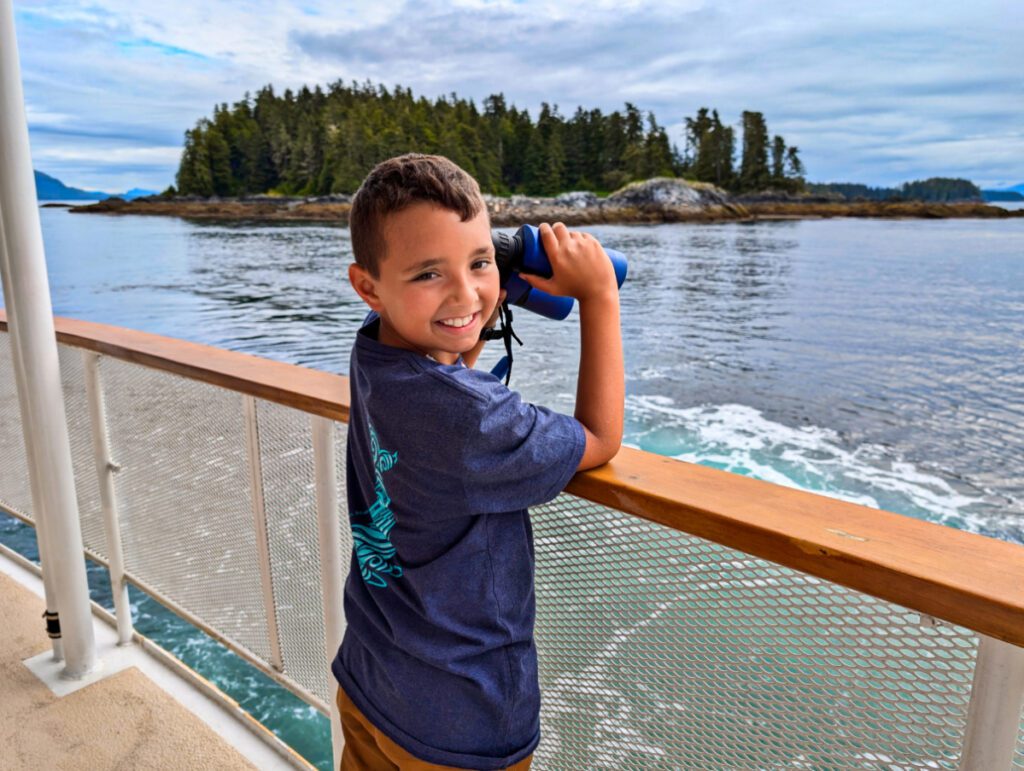
The Alaska Marine Highway System is something special and we really enjoy it. Think of it as a floating bus system connecting all the coastal communities, and onboard it’s just its own community of mostly Alaskans enjoying the views and comradery of the ship. You can either walk on (budget-friendly) or bring your vehicle (pricier but gives you ultimate freedom).
The classic route runs Bellingham (Washington) → Ketchikan → Wrangell → Petersburg → Juneau → Haines → Skagway. You can also drive to Haines or Skagway from Anchorage or anywhere else in the USA or Canada via the Alaska Highway and Haines Road (to Haines) or the Klondike Highway (Skagway) through the Yukon and British Columbia and then board the ferry in Haines/Skagway. The views and wildlife along this epic road trip are unmatched.
Note: Haines and Skagway are really close as the crow flies, but driving between them is actually a 7 hour drive through BC and the Yukon. That’s right: it takes 7 hours to drive between Haines and Skagway.
Here’s the inside scoop on ferry travel:
- Book early for summer travel, especially if you want a cabin or are bringing a vehicle
- Cabins are cozy and private, but if you’re on a budget, you can literally pitch a tent on deck or roll out your sleeping bag in the solarium (yes, really! And it’s awkward, but a very Alaskan experience). The lounges are surprisingly comfortable for sleeping
- Pack snacks, though the cafeteria food isn’t half bad. Options are limited.
- Download the Alaska DOT app for real-time schedules, but for the most part the boats are on time
Pro tip: The ferry system can have limited schedules, so flexibility is your friend. Sometimes you might need to stay an extra night somewhere because of ferry timing, so embrace it and plan your trip far enough in advance that you aren’t inconvenienced by an extra day in Juneau or something. Some of our best memories come from those “stuck” days where you just get extra time to relax or enjoy some additional hiking.
Alaska Fjordlines: the Scenic Route
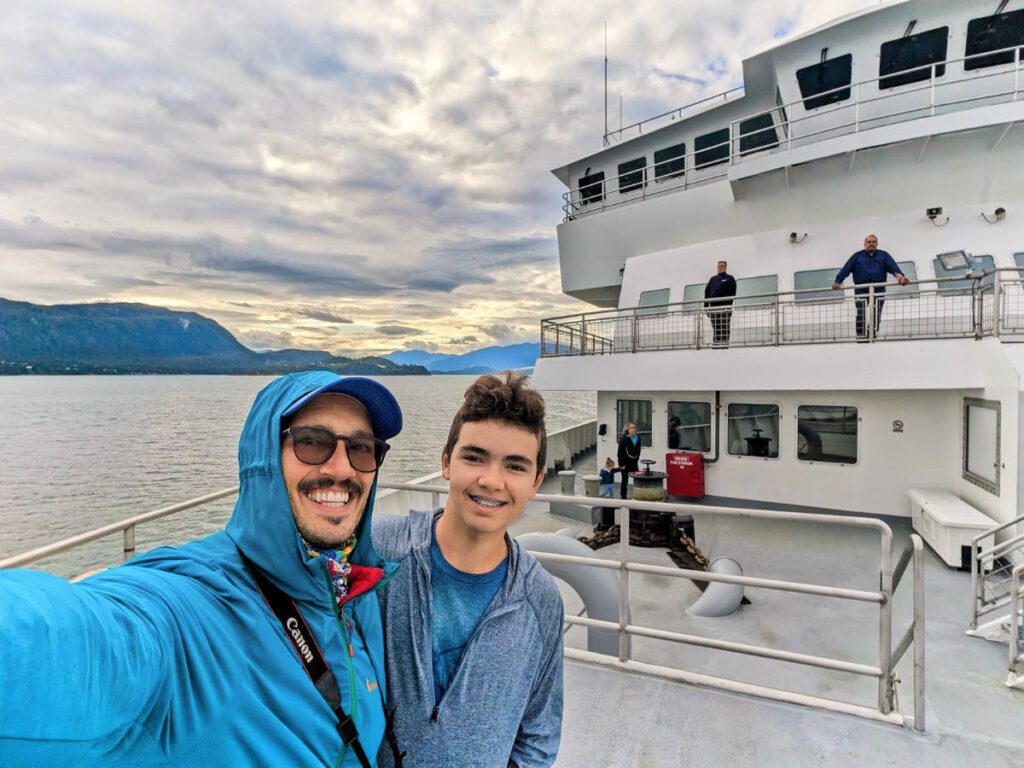
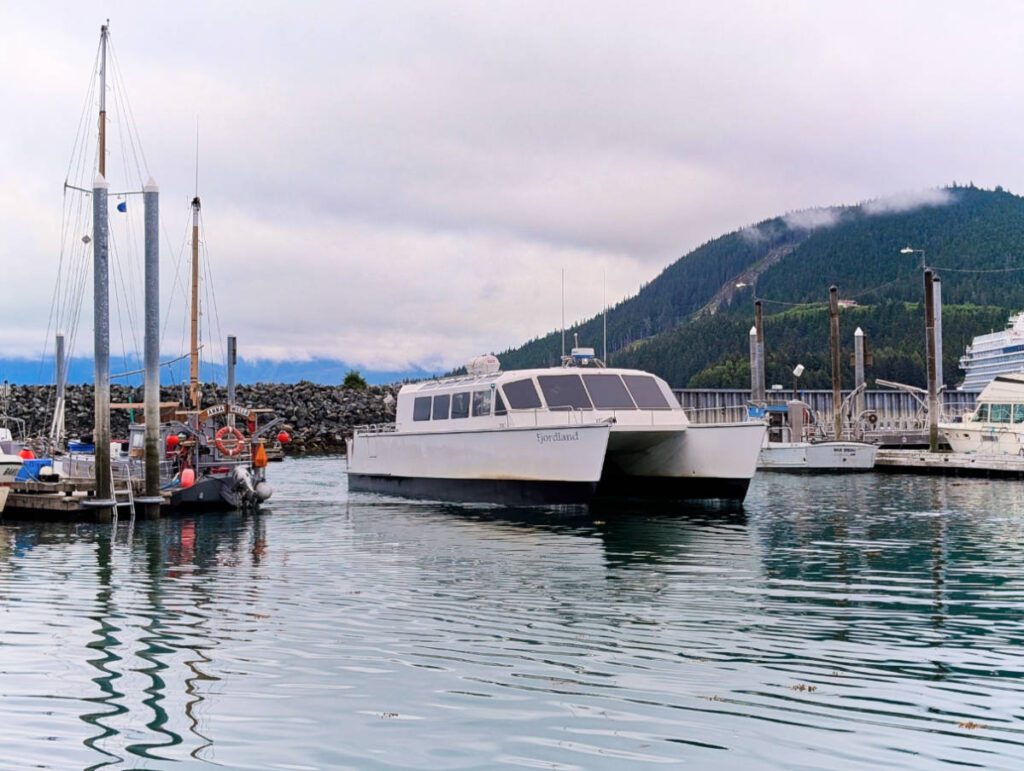
Between Juneau, Haines, and Skagway, there’s this fantastic alternative called Alaska Fjordlines. This isn’t just transportation, but it’s also a wildlife cruise disguised as a ferry. The captain will literally stop the boat to watch whales, cruise close to waterfalls, and share stories about the lighthouses and landscapes you’re passing. Because the boat is small and fast, you have plenty of time for the random wildlife stops between your ports.
The Alaska Fjordlines is smaller and more intimate than the big state ferries, and the crew treats you like family. It’s just a few hours onboard, so there are no cabins or dining expect the snacks provided. If you can work it into your itinerary and budget, DO IT. You’ll thank me later! And if it wasn’t clear, the Alaska Fjordlines is walk-on only, it is NOT a vehicle ferry.
Epic Southeast Alaska Itinerary Day-by-Day
Alright, let’s dive into the good stuff, what you’ll actually DO in each beautiful town. Remember, having your own schedule means you can linger where you love and breeze through what doesn’t grab you. That’s the beauty of independent travel and then you’re just at the mercy of the ferry system or flights between your stops. Here is our South to North itinerary, which you can also do in reverse, but it will cost more and require more time to do in reverse due to transportation schedules, but if you are driving and having an epic road trip as a part of this experience, do whichever direct makes the most sense for you.
Ketchikan: So Much More Than Alaska’s “First City”
Ketchikan gets a bad rap from cruise passengers who only see it for a few rushed hours. People say it’s kitschy or “just for the tourists” but give this gem a few days, and you’ll fall head over heels. It’s much more than just the waterfront cruise port. They call it Alaska’s First City because it’s the first major stop heading north through the Inside Passage. Don’t let the cruise crowd fool you, there’s magic here if you know where to look and take your time.
Getting to Ketchikan is easy as you can fly direct from Seattle or catch the ferry from Bellingham or Prince Rupert, which then will take a few days on the boat. Fun fact: the airport is on its own little island! A quick 5-minute ferry ride (they run constantly) brings you to the island the town of Ketchikan is on, and then it’s about 5-10 minutes to downtown. Once you’re there, downtown is totally walkable, though you’ll want wheels or tour transport to hit some outlying attractions and state parks.
Best Things to Do in Ketchikan (3-4 days recommended)
Let me share the Ketchikan highlights that make it such a special town to visit. If you include all of these sights and activities, you’ll need 3-4 days, but you can also adjust your schedule to fit what you’ve planned for transportation through the Inside Passage.
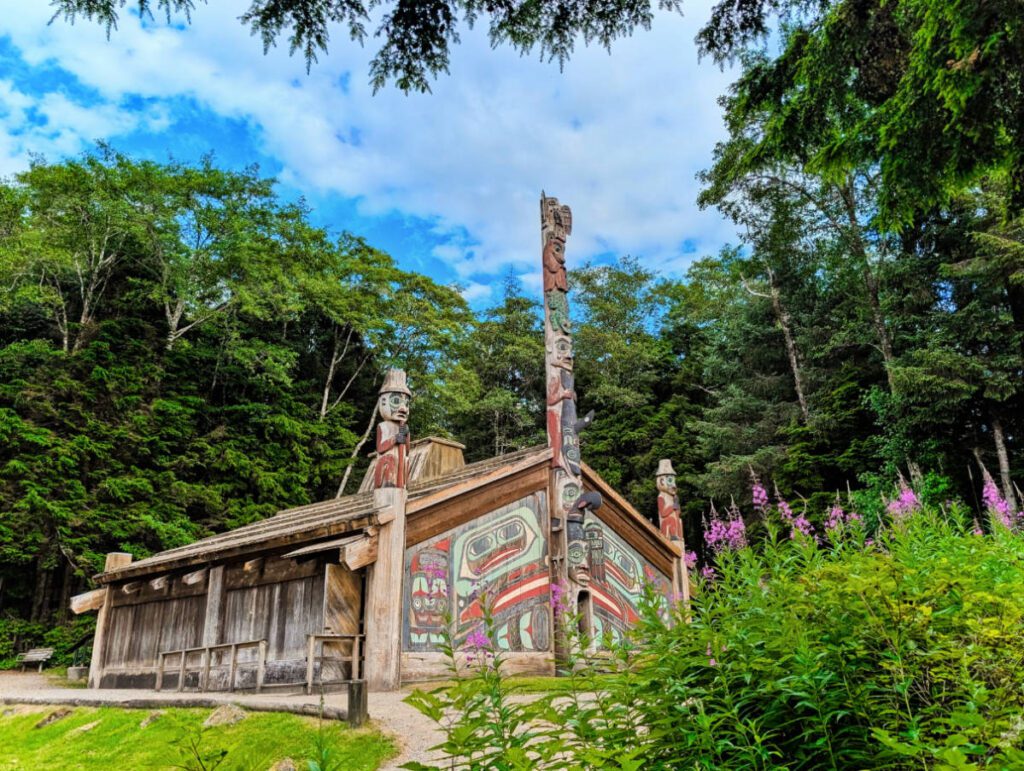
Ketchikan’s Totem poles – Start at the Totem Heritage Center to understand the stories, then explore Saxman Native Village (just south of town) where Tlingit carvers still practice their craft. Totem Bight State Park offers trails through the forest dotted with poles in their natural setting. Leading yourself on a free downtown walking tour is actually fantastic for totem spotting too!
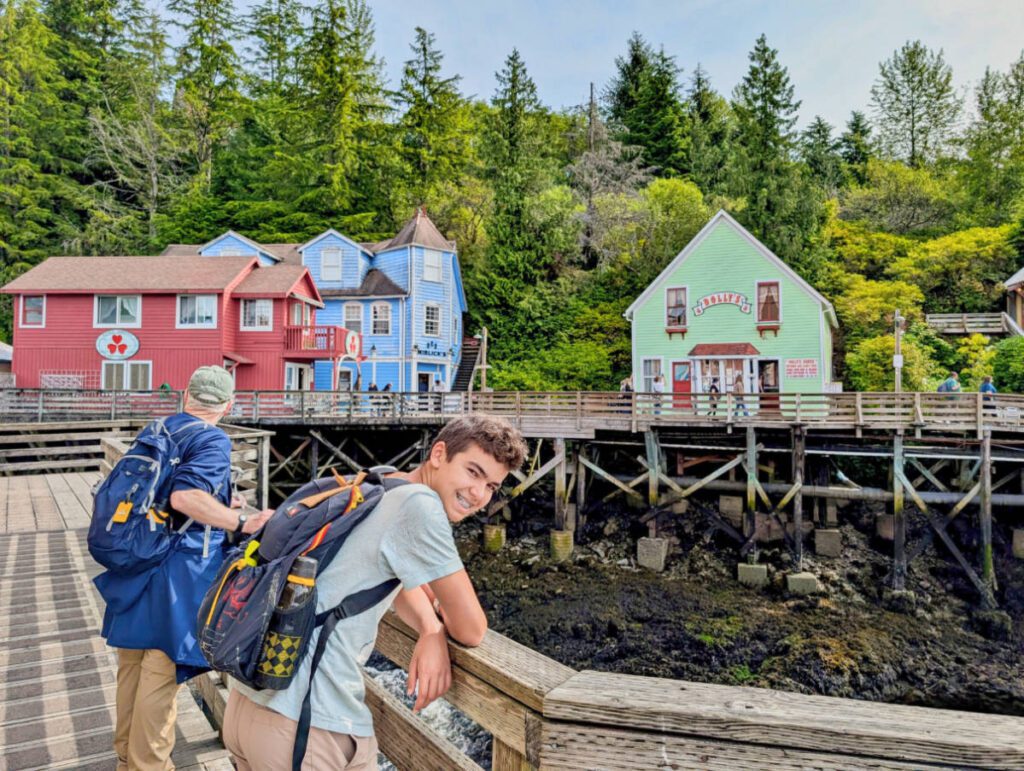
Iconic Creek Street – The historic red-light district of Creek Street is now a fun boardwalk lined with galleries, shops, and restaurants built on stilts over the creek. Watch salmon jump up the ladder (seasonal), pop into Dolly’s House Museum for a glimpse of Ketchikan’s rowdy past, and don’t miss the funicular ride up to Cape Fox Lodge for beautiful views and a wonderful meal.
Wildlife Watching – Ketchikan Kayak Co runs phenomenal wildlife paddles where you might spot seals, sea lions, and even whales. For something completely different, try Kawanti Adventures’ black bear tours where you’ll walk elevated boardwalks through the rainforest for safe, up-close bear viewing. It’s a very unique experience!
Misty Fjords National Monument – Misty Fjords is INSANE when it comes to beautiful sights. Sheer granite cliffs, countless waterfalls, and water so still it’s like glass. You can see it by floatplane (unforgettable but pricey), via tour boat (more affordable, includes wildlife spotting), or kayak (for the truly adventurous). Whatever you choose, don’t skip this!
Go fishing – Whether you’re an expert angler or have never held a rod, a salmon fishing charter is quintessentially Alaskan and Ketchikan has lots of options. The guides handle everything, and there’s nothing like reeling in your own dinner. Many places will even process and ship your catch home.
The Great Alaskan Lumberjack Show – Yeah, it’s touristy. It’s also hilarious and way more fun than you’d expect. Perfect for families or anyone who appreciates watching burly dudes throw axes and race up poles. Even though it’s a show designed for tourists, it’s pretty great and perfect with kids. Get tickets here!

Where to Stay in Ketchikan
Downtown, you can’t beat the Inn at Creek Street for waking up to the sound of the creek and having your morning coffee on a deck overlooking the boardwalk before the cruise crowds arrive. Another great option is the Gilmore Hotel downtown, which has tons of character too.
For spectacular views (and that cool funicular), Cape Fox Lodge sits high on the hill overlooking everything. The Landing Hotel near the ferry terminal is super convenient if you’re catching early transport, plus they run a free shuttle downtown. Read all about the Landing Hotel here!
Budget travelers, fear not as Ketchikan has some more affordable hotels too. The key is booking early for summer!
Where to Eat in Ketchikan
Oh boy, the FOOD here! Fresh Dungeness crab, wild salmon, halibut… I’m drooling just thinking about it. Here are the can’t-miss spots:
- The Alaska Fish House – Don’t let the touristy exterior fool you. The seafood is legit amazing.
- Annabelle’s Chowder House – Their halibut chowder will ruin you for all other chowders.
- Heen Kahidi or Cape Fox Lodge – Splurge-worthy dining with indigenous-inspired dishes and great views!
- New York Cafe – A local institution. Great breakfast spot.
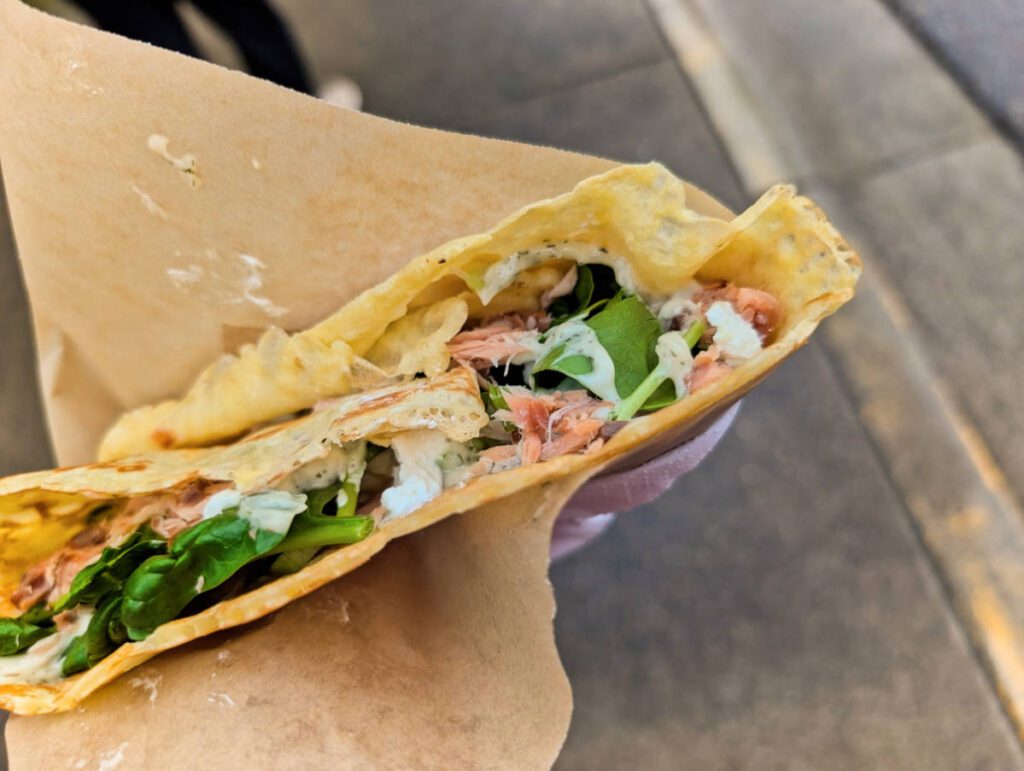
- Alaska Crepe Co – Because sometimes you need salmon in crepe form!
- Portside Pub & Grill – Great beer selection and pub grub.
Juneau: The Coolest Capital You’ll Ever Visit
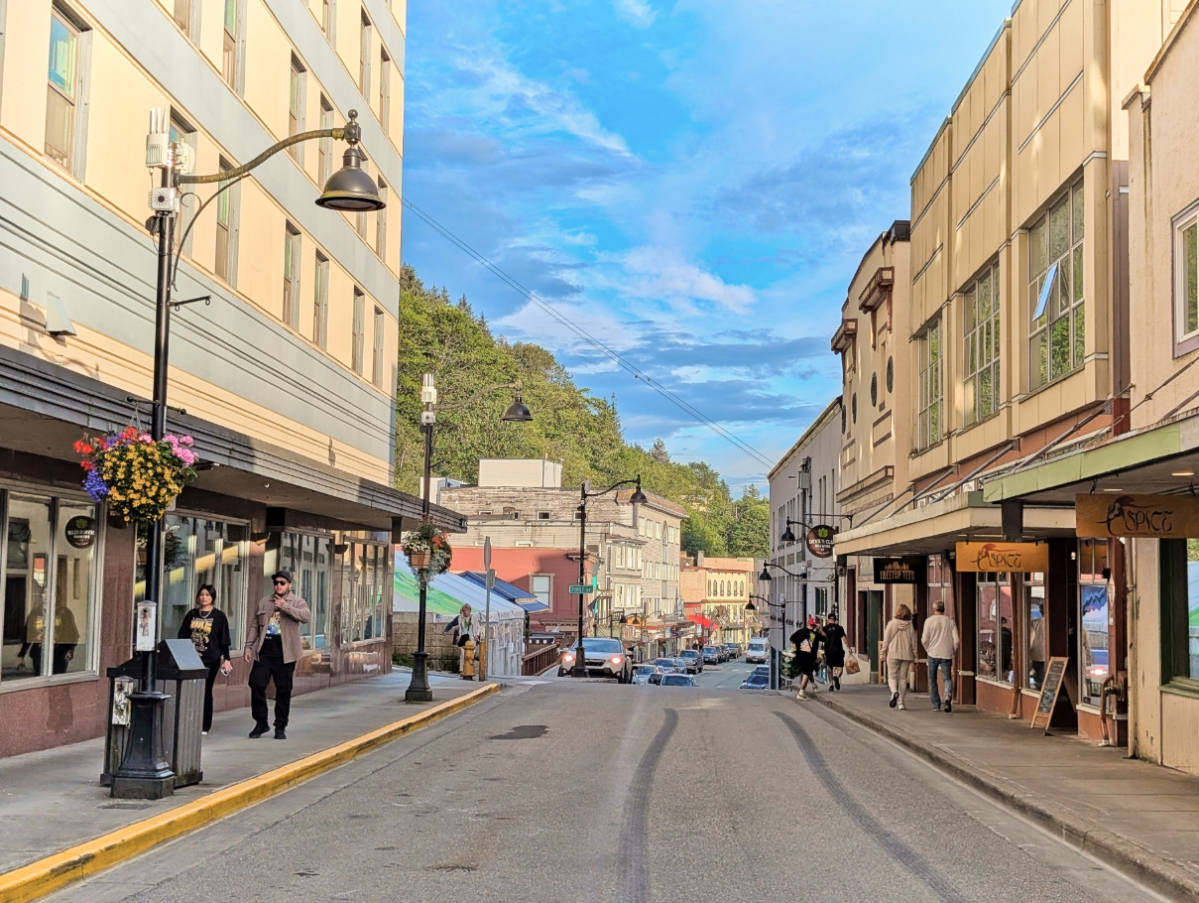
Juneau absolutely rocks and if I were considering a move to Southeast Alaska it would be to here. Where else can you find a state capital accessible only by boat or plane surrounded by steep hills covered in wildflowers? This place perfectly blends historic homes with government buildings with glacier streams, and then add food trucks and whale watching, some craft breweries with bald eagles… If hipsters, conservationists and foodies designed an Alaskan city, this would be it.
Flying into Juneau (JNU) is super easy with multiple daily flights from both Seattle and Anchorage. The Alaska Marine Highway also serves it well with ferries coming into Auke Bay, north of town. Once you’re here, downtown is walkable, but having a car opens up tons of possibilities in the Mendenhall Valley and beyond. Check out our 3 Day Juneau Itinerary
Best Things to Do in Juneau (3-4 days minimum)
Juneau is your launch pad for some seriously epic adventures. Here’s how to make the most of your time, which should be kept flexible depending on your methods of transportation to and from your next destination.
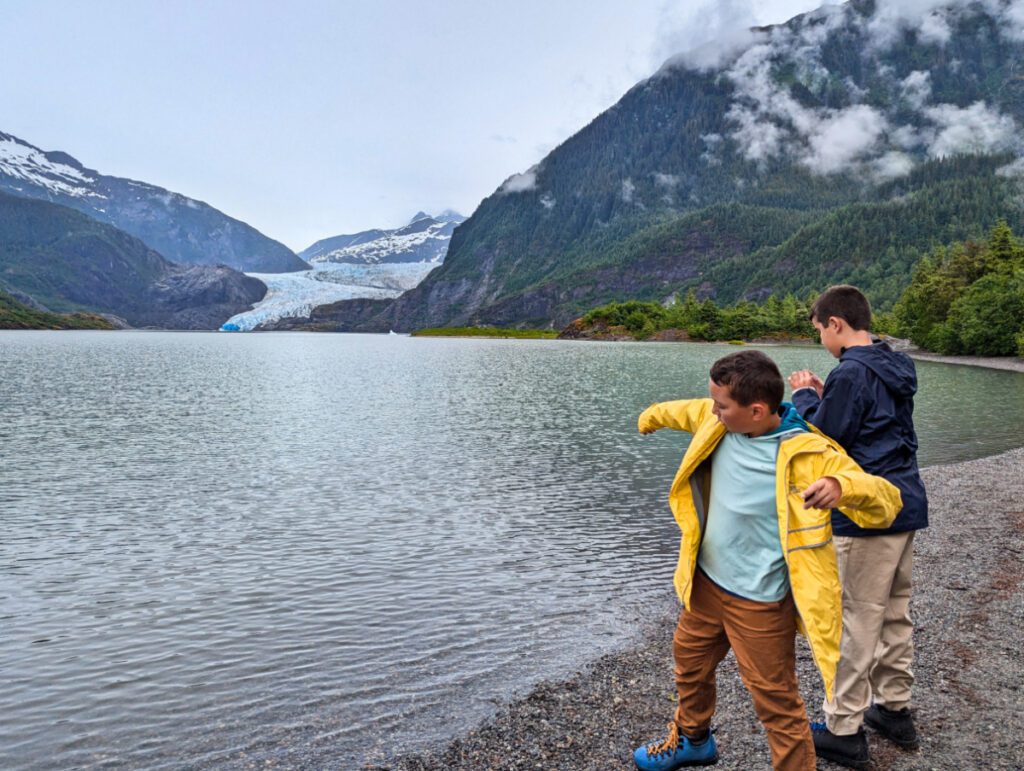
Mendenhall Glacier – One of the most accessible glaciers in Alaska, Mendenhall Glacier is really wonderful to visit, especially with kids. Hike to Nugget Falls (easy trail, huge payoff), do canoes or kayaks to paddle on the lake, or just sit and contemplate how insanely blue glacier ice can be. In late summer, watch salmon spawning in Steep Creek where bears often go for easy fishing. You can drive here or do a guided tour.
Whale watching from Juneau – This is THE spot for humpback whales. Book ahead for summer! The boats know exactly where to go, and the whales put on a show. Breaching, tail slapping, bubble net feeding. There are times that it feels like a National Geographic magazine around every bend.
Tracy Arm Fjord – If you can’t make it to Glacier Bay or you’re mainly on the water because of the ferry, this is your best bet for tidewater glaciers. The boat journey through the fjord is spectacular with waterfalls everywhere, seals lounging on icebergs, and glaciers that might calve while you watch. Book Tracy Arm glaciers here!
Downtown wandering – Check out the Alaska State Museum (awesomely engaging for kids), explore Sealaska Heritage Institute for Native culture, hunt for Taku the whale statue on the waterfront, and definitely ride the Mount Roberts Goldbelt Tramway. Pro tip: take the tram up and hike down. Your knees will thank you!
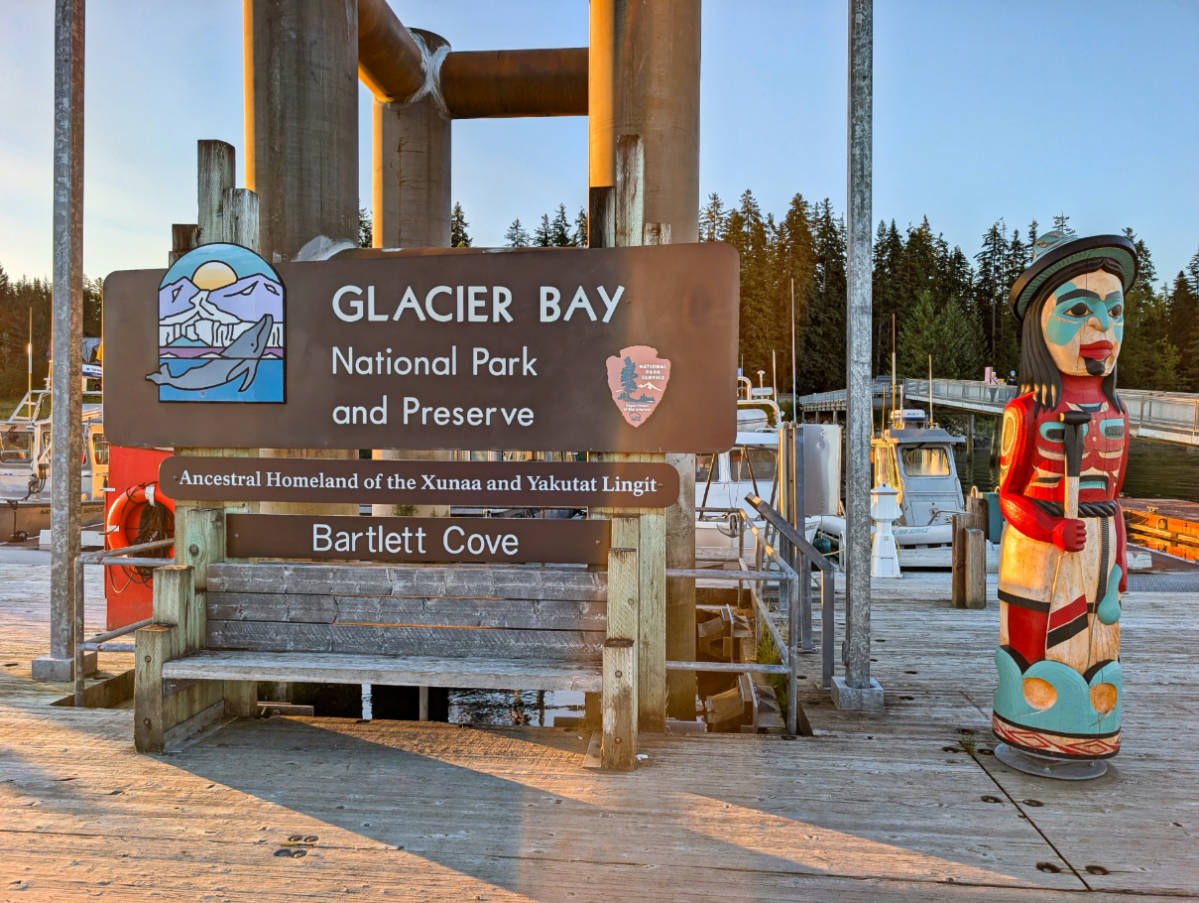
Glacier Bay day trip – Yes, it’s possible! Alaska Seaplanes runs day trips that include the flight, a boat tour in the park, and lunch. Pricey but absolutely worth it if Glacier Bay is on your bucket list.
Brewery and food truck scene – Juneau’s food truck court downtown is legendary. From Filipino fusion to wild-caught fish tacos, it’s all delicious. Pair with local brews from Alaskan Brewing, Barnaby Brewing, or Devil’s Club Brewing across the street and it’s an afternoon activity itself.
BONUS: Add Gustavus to your Inside Passage Trip
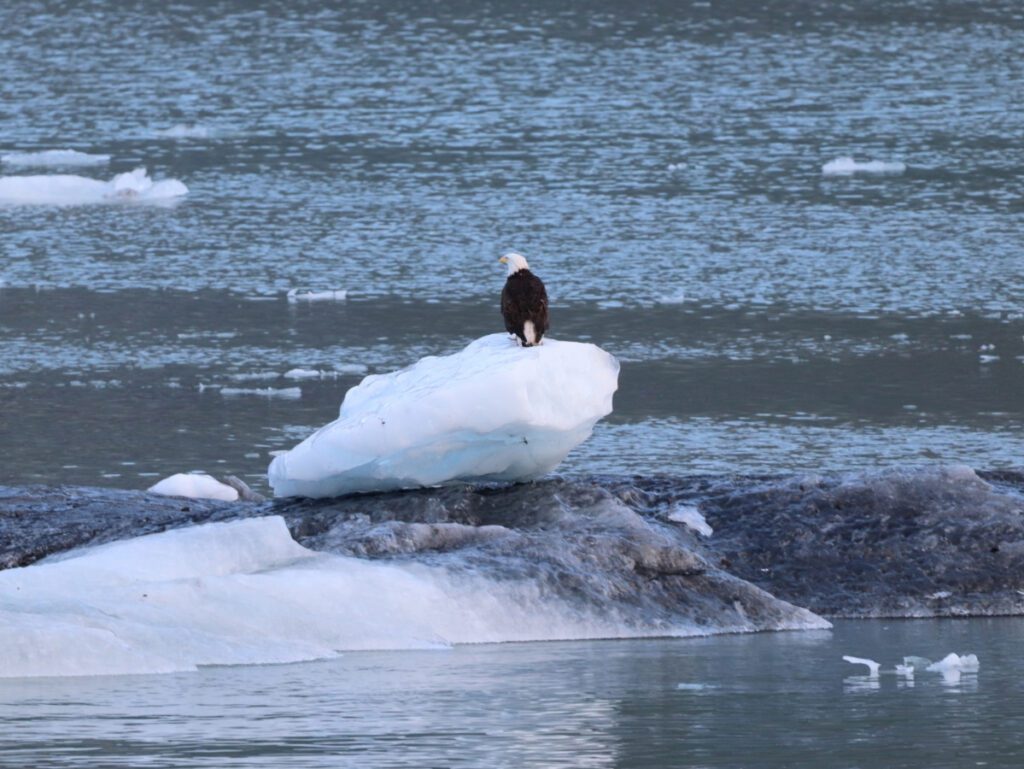
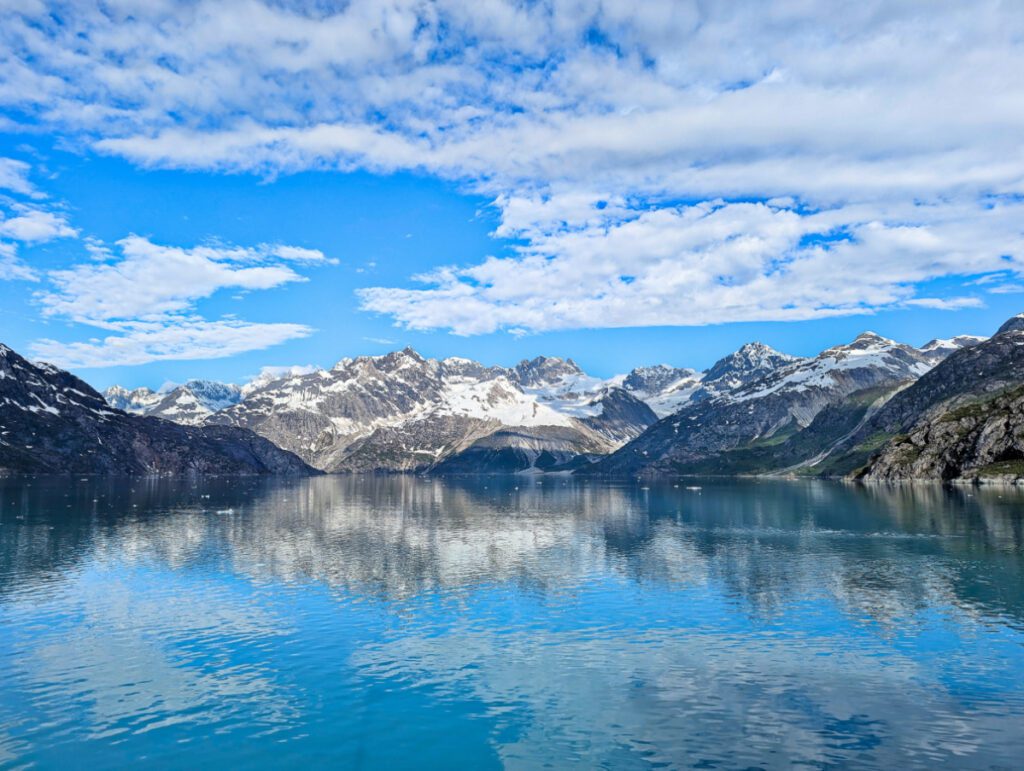
When you visit Juneau, you’ll be able to either fly via Alaska Seaplanes or take the Alaska Marine Highway to Gustavus. This small town is quiet and is both a fishing destination and the gateway to Glacier Bay National Park. Add two nights or so at the Glacier Bay Lodge or one of the small inns and you’ll have a very rare Alaskan experience. The National Park, kayaking with whales and lots of hiking makes Gustavus a bonus if you can make it work with your Southeast Alaska itinerary.
Where to Stay in Juneau
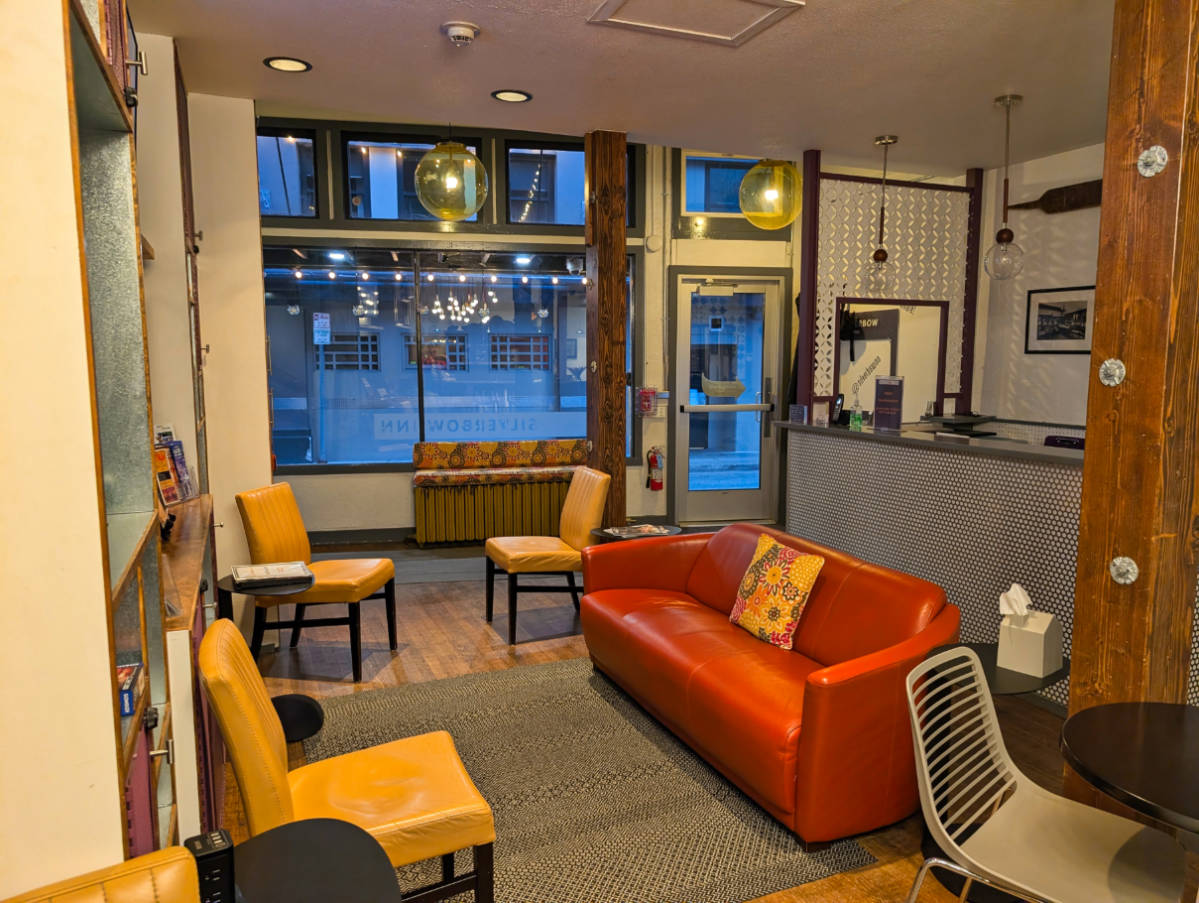
Downtown options are limited but charming. The historic Baranof Hotel has got that Alaskan character and a great restaurant. Read all about the Baranof Hotel here. The Silverbow Inn combines a bakery, restaurant, and boutique hotel that’s quite nice. The Alaskan Hotel claims to be the oldest operating hotel in Alaska and has the vintage vibes to prove it.
For more options and better prices, look in the Mendenhall Valley or near the airport. Having a car makes these spots totally doable, and you’ll appreciate the extra space and amenities.
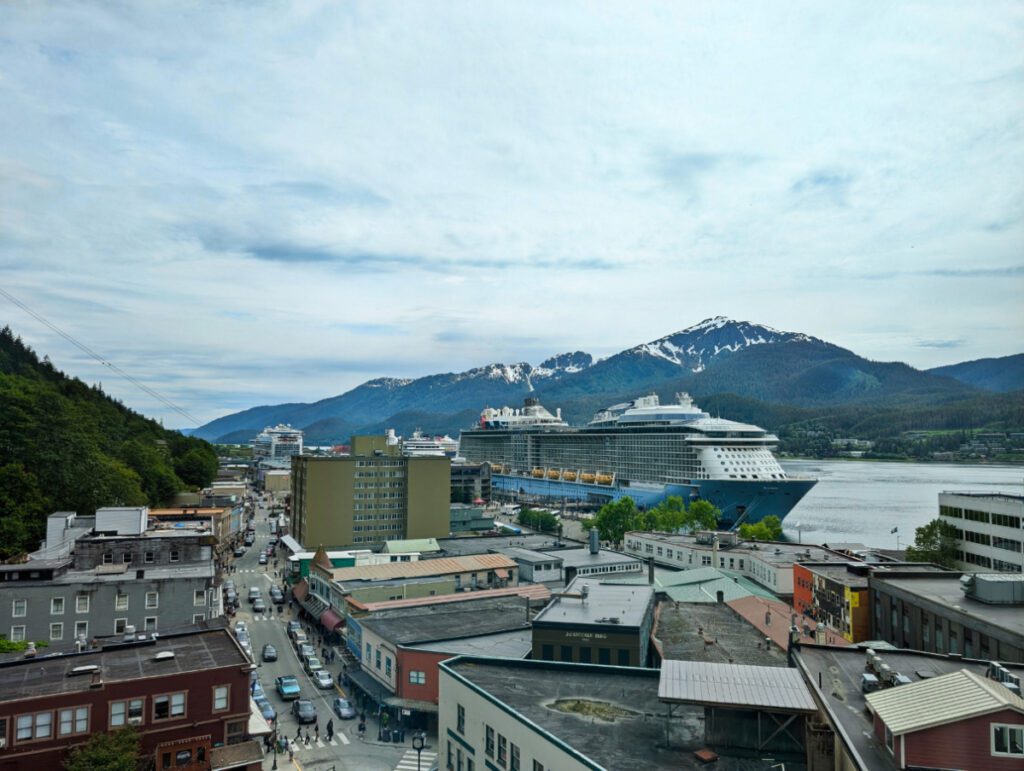
Where to Eat in Juneau
Juneau’s food scene is one of the best in Alaska, and the restaurant folks are great about making dining here fun. These spots are some of our favorites:
- Sandbar & Grill – the BEST fish and chips in Juneau, and it’s totally a dive
- In Bocca al Lupo – Incredible wood-fired pizzas and the owner is the coolest
- Hangar on the Wharf – Waterfront dining with a floatplane literally hanging inside
- SALT – Upscale Alaskan cuisine that’s worth the splurge (maybe the fanciest place in Juneau)
- The Rookery Cafe – Really good coffee and fresh-baked everything
- Sandpiper Cafe – Best breakfast in town, hands down
- Deckhand Dave’s – Fish tacos that give you a reason to hit the food truck area
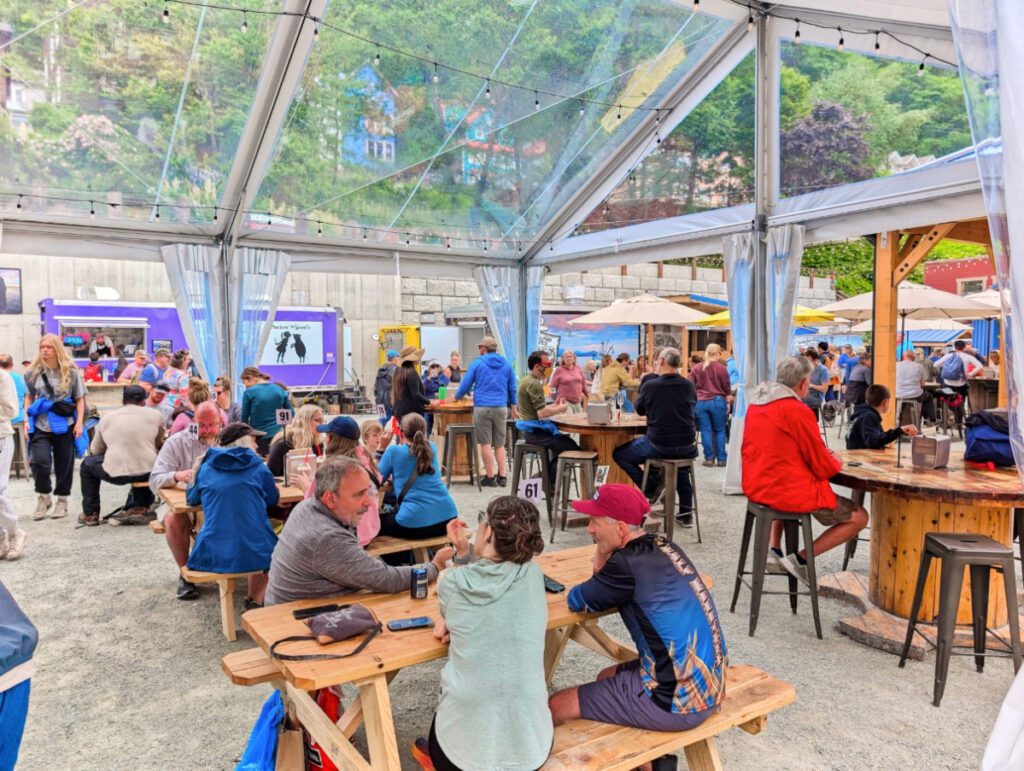
Haines: Your New Favorite Alaskan Town
I think Haines may be Southeast Alaska’s best-kept secret. Haines is absolutely magical, and because most cruise ships skip it, you’ll have this gem of a town practically to yourself. This is where the road system meets the Inside Passage, earning it the nickname “the end of the road.” The setting is dramatic with glaciated peaks surrounding a charming small town where artists, adventurers and independent spirits have created something special. It’s home to the Southeast Alaska State Fair in July and is where Disney’s White Fang was filmed. I love it here.
Getting here from Juneau via Alaska Fjordlines is half the fun (remember what I said about whale watching along the way?). You can also drive here from Canada/Interior Alaska or take the state ferry, making its last stop before Skagway. Just remember that if you’re flying home from Juneau, you’ll need to boat back. Haines is the end of the Inside Pass for our recommendations, but it doesn’t have to be the end of your journey.
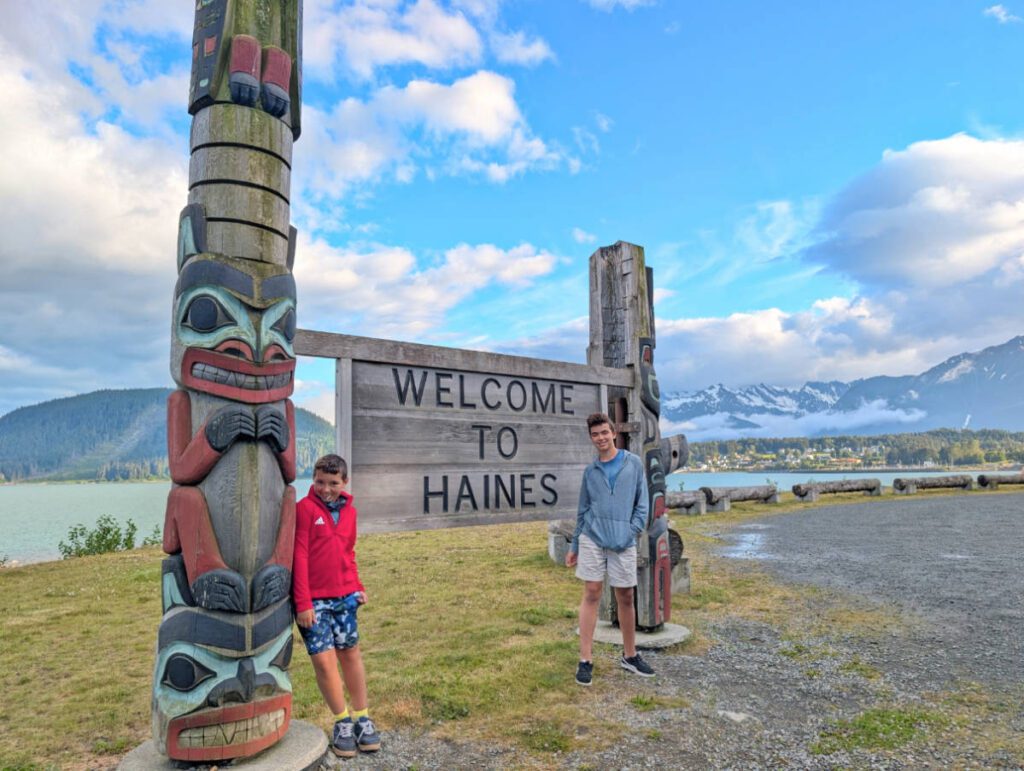
Best Things to Do in Haines (2-5 days ideal)
Haines might be small, but it’s mighty when it comes to adventures. It is a destination where you need to have a car, so if you haven’t been driving onto the Alaska Marine Highway or you’re not coming from BC/the Yukon, you can actually rent a car in Haines. The Captain’s Choice Motel has a fleet of Subarus and trucks that are perfect for your time in Haines. And now for all the cool things to do.
Chilkat Bald Eagle Preserve – This is where the world’s largest concentration of bald eagles gathers in November, but the rest of the years it’s impressive too. Take a scenic float trip down the Chilkat River for the best views. If you do come back in November, thousands of eagles congregate, but don’t worry because in summer you’ll spot plenty here too.
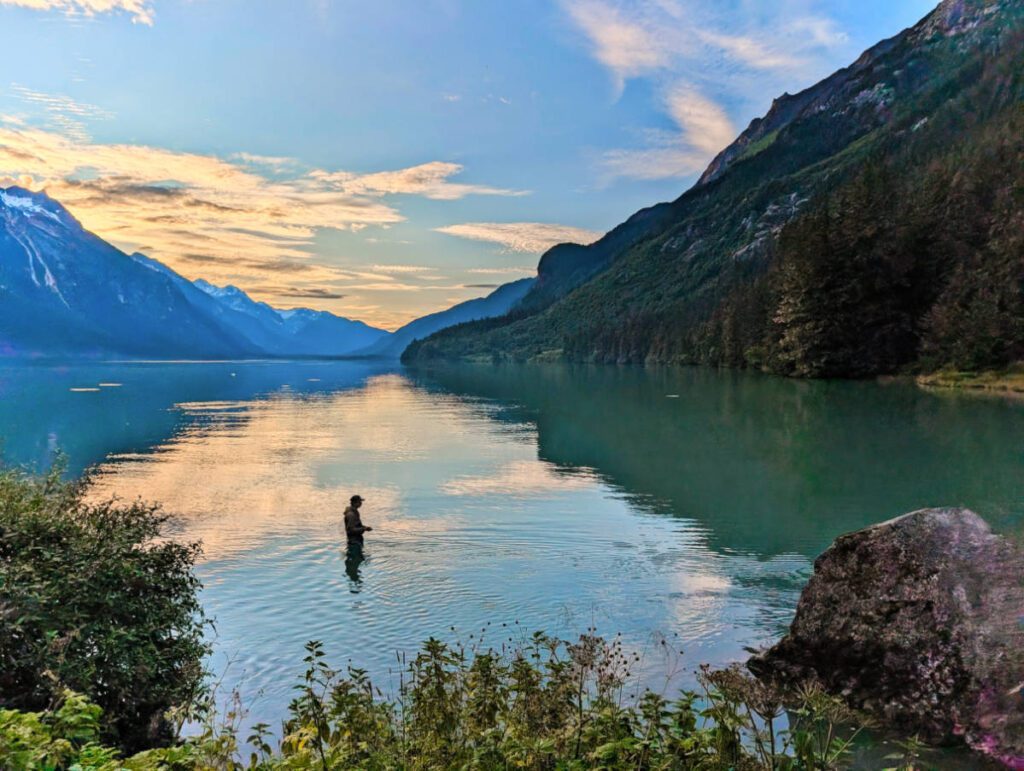
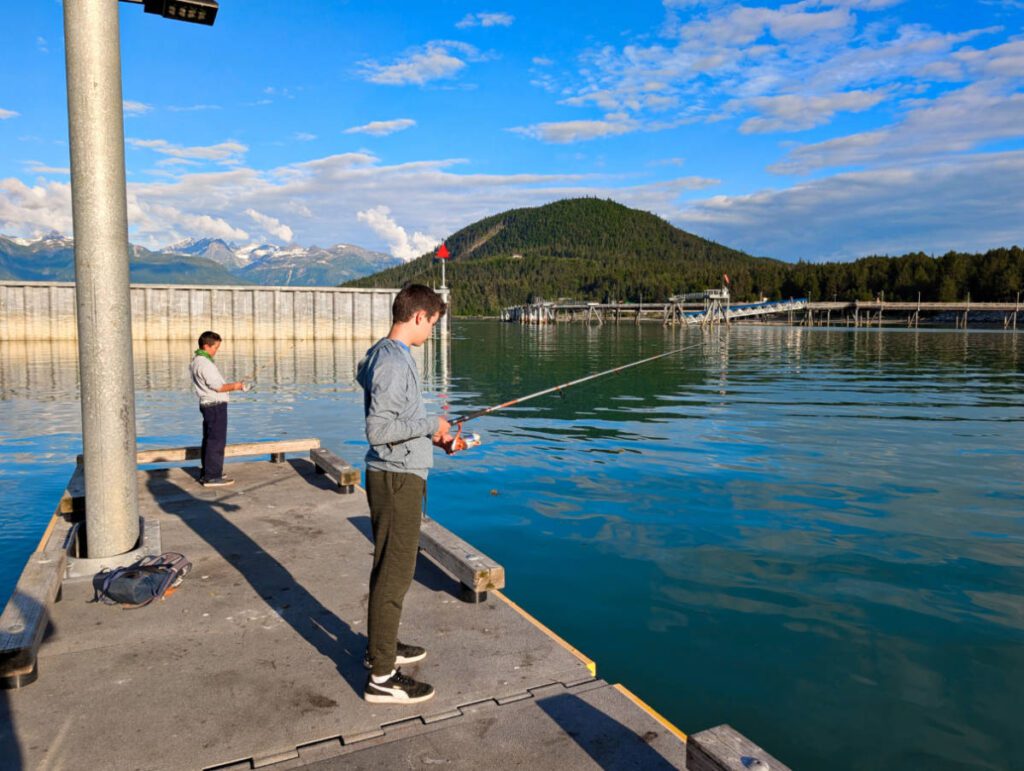
Chilkoot Lake State Recreation Site – This is my happy place! Come to Chilkoot Lake State Park at sunset for incredible bear viewing (bring binoculars and stay by your car). Mornings are perfect for kayaking the stunning turquoise lake where salmon spawn. The fishing is fantastic too if that’s your jam.
Mountain biking and hiking – The trails here are uncrowded and spectacular. From easy nature walks to challenging mountain ascents, there’s something for every fitness level especially in Chilkat State Park. The views of the Chilkat Range and the fjords will stop you in your tracks.
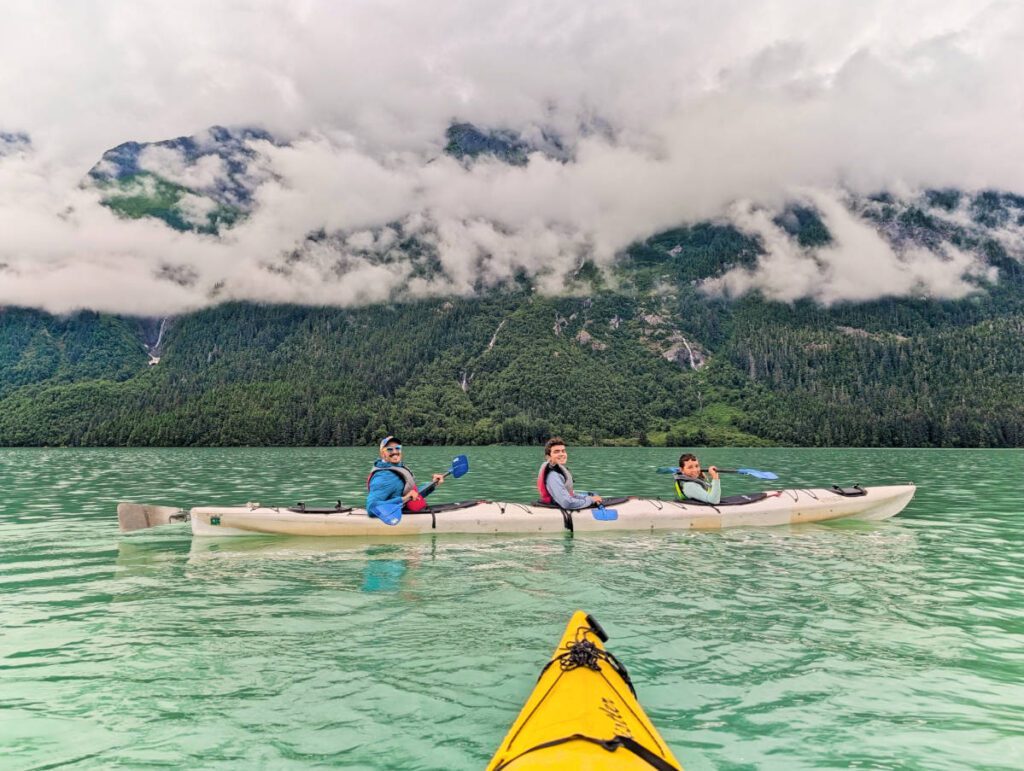
Fort William Henry Seward exploration – This historic Army post is now filled with galleries, shops, and the excellent Port Chilkoot Distillery. Perfect for a leisurely afternoon of poking around and chatting with local artisans. Also, there’s a beautiful old Chilkat clan house in the middle of the parade grounds.
Museums worth your time – The Haines Sheldon Museum showcases exceptional Tlingit art and cultural pieces. The Hammer Museum is quirky and fascinating; who knew there were so many types of hammers? And then some of the shops downtown feel a little like museums too.
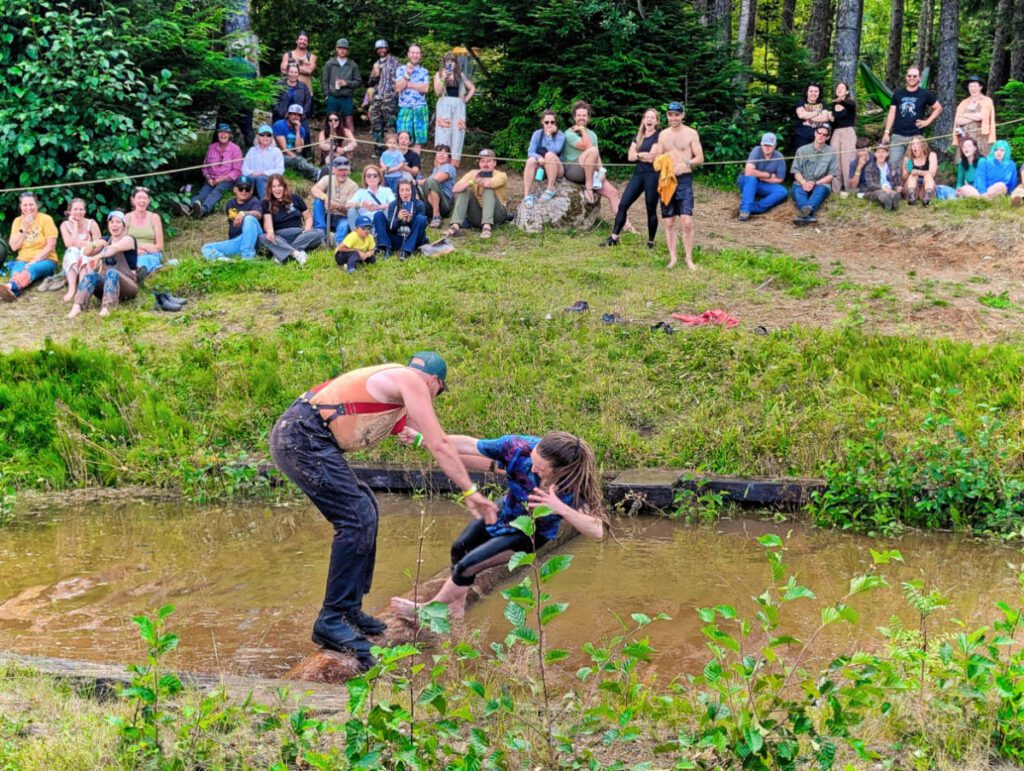
Southeast Alaska State Fair – If you’re here in late July, you’re in for a treat! This small-town fair is Alaska at its finest with fry bread, local crafts, logging competitions, and the best people watching ever. The set from when White Fang was filmed in Haines is at the fairgrounds, and even if you’re not from SE Alaska, it’s a wonderfully welcoming community.
Where to Stay in Haines
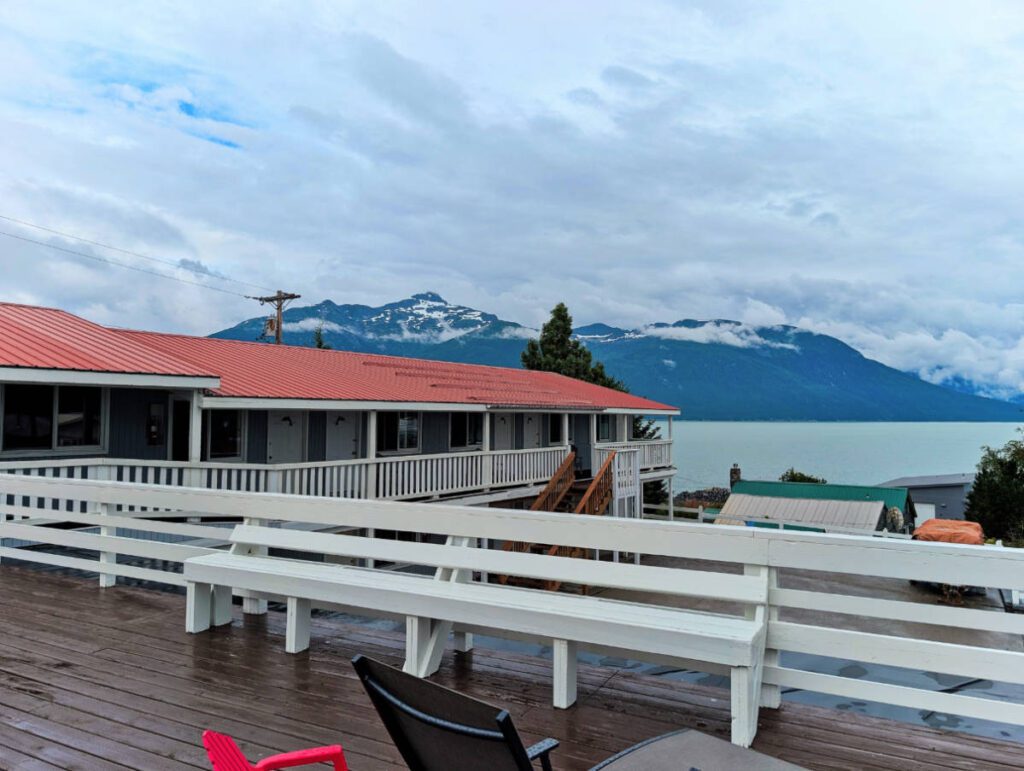
Haines keeps it real with lodging, meaning no mega-resorts here and only very boutique options! The Hotel Halsingland in Fort Seward is full of historic charm. Captain’s Choice Motel is clean, comfortable, and the owners are incredibly helpful. Read all about the Captain’s Choice Motel here. For a bit more modern comfort, Aspen Suites Hotel is your best bet, being the only chain option in town.
Vacation rentals are an option too and often your best value for longer stays, especially for families or small groups traveling together. Just book early for summer!
Where to Eat in Haines
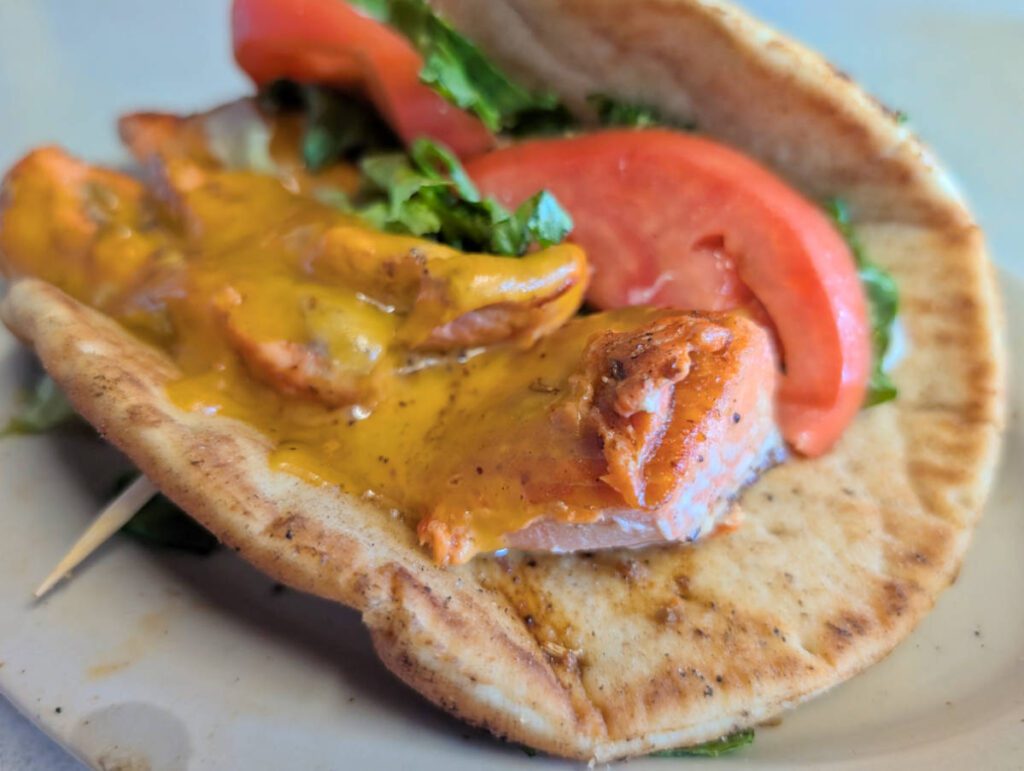
Haines doesn’t have a ton of restaurant options, but what they’re got is pretty good. I really like how you can find a whole range of dining vibes for lunch and dinner in Haines. And there’s no shortage of salmon options.
- Alpenglow Pizza – Wood-fired pizzas that rival anything in the Lower 48
- Taste of Deishú – indigenous owned and the best fish and chips in Haines
- Bamboo Room – Classic diner vibes with surprisingly good food
- 33 Mile Roadhouse – far out of town before you cross into Canada
- Mountain Market – Your go-to for groceries, deli sandwiches, and local treats. I love this place!
- Chilkat Bakery – Carbs with a view (my kids like it a lot)
Making It Happen: Practical Planning Tips
You should be thoroughly inspired now, so we’ll wrap up with answering some basic questions you probably have about independently exploring the Inside Passage of Southeast Alaska.
When to Go to Southeast Alaska
Summer (late May through mid-September) is prime time, with June and July offering the best weather and longest days. Yes, these are also the busiest months, but remember that you’re avoiding cruise ship schedules. Towns empty out in the evenings, giving you peaceful dinners and sunset walks. July and August are great for fishing too.
Shoulder season can be magical if you don’t mind extra rain. May brings wildflowers and migrating whales. September serves up fall colors and Northern Lights possibilities, usually starting in late August. Just know that some tours and restaurants operate on reduced schedules or are outright closed down by mid September, or early September in some cases.
What to Pack (Because Alaska Weather is Moody)
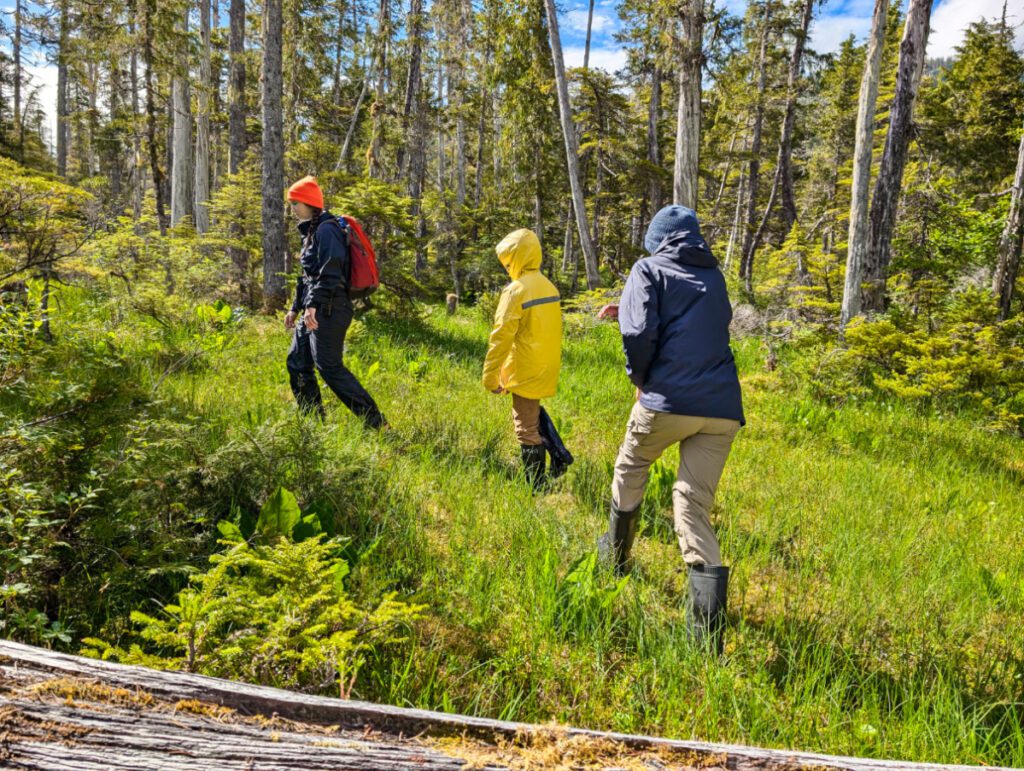
I don’t want to jinx anything, but we’ve been crazy lucky with weather on our Southeast Alaska trips. That said, it’s mostly a temperate rainforest next to the ocean, so come prepared! Spring and late fall visits are the most moist. Here’s your packing list:
- Layers, layers, layers – Think onion strategy: tank top to fleece to rain jacket
- Waterproof jacket – Not water-resistant, but actually waterproof
- Hiking boots – Waterproof if possible, and we even bring Xtra Tuff boots. Your feet will thank you.
- Rain pants – For serious hikers or boat tours that go rain or shine
- Quick-dry everything – From underwear to hiking pants
- Warm hat and sun hat – Sometimes in the same day
- Good socks – Wool or synthetic socks, because cotton is the enemy if it gets wet
- Mosquito protection – Usually not terrible, but when you need it, you NEED it
- Sunglasses and sunscreen – The sun is intense when it appears, especially when you’re on the water
- Small daypack – For all your layers as you peel them off
Budget Reality Check
I’ll be straight with you: Southeast Alaska isn’t a budget destination in summer at all. It’s an investment in memories that’ll last forever and you just have to look at it that way. Unless you’re camping with carry-on tents and packs, it’ll be a big ticket trip. Here’s a rough daily budget for two people:
- Ferry travel: $50-200 per person depending on distance
- Accommodation: $150-300 per night
- Meals: $100-150 per day for two
- Activities/tours: $150-400 per person per activity
- Car rental (if needed): $75-150 per day
If you do the math, the coast per day not including the basic flight to Alaska or the cost of bringing a car on the Alaska Marine Highway is about $625 per day per two people.
Ways to save on exploring the Inside Passage without a cruise ship:
- Walk-on ferry passengers save big
- Cook some meals if your lodging allows
- Free hiking trails offer million-dollar views
- Bring your own easy fishing gear (get a 7 or 14 day fishing license)
- Happy hours and food trucks for cheaper eats
- Book accommodations early for better rates
Wildlife Safety in Southeast Alaska
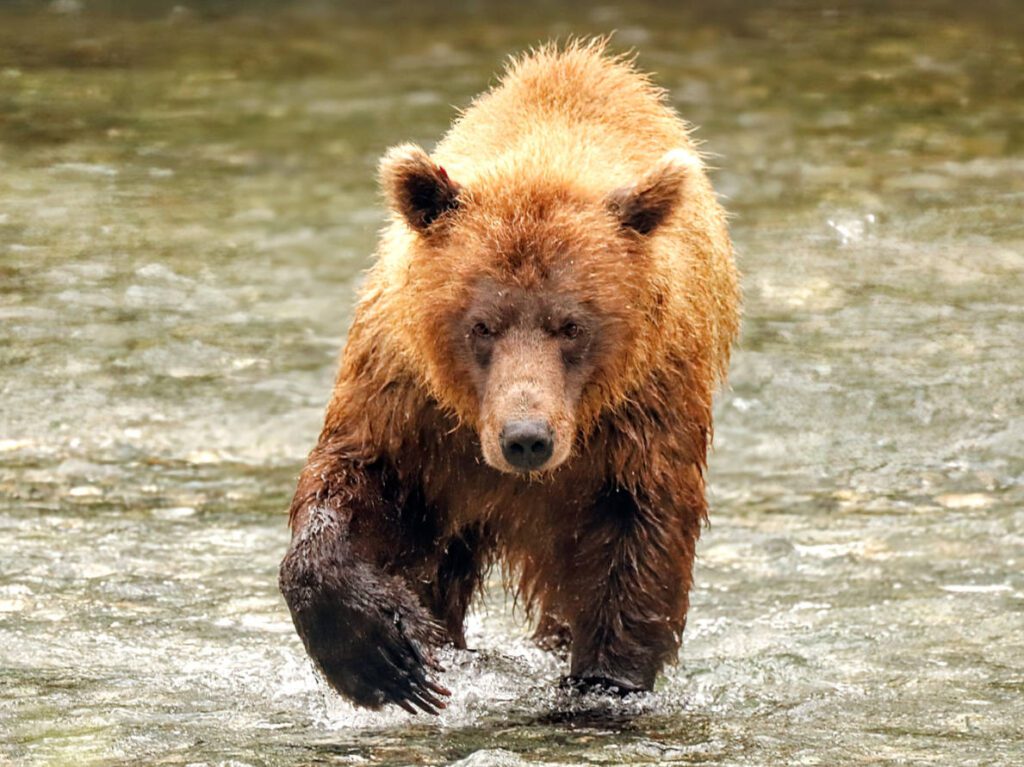
Alaska’s wildlife is a huge draw, but respect is crucial. The first rule with ALL wildlife is to never feed it or try to touch it. Stick with those simple concepts and you’ll likely be fine. Here’s more info on how to stay safe though:
Bears: They’re everywhere and they’re awesome from a distance! Bear safety starts with DISTANCE. If you see one:
- Give it TONS of space
- Never run (you’ll trigger chase instinct)
- Make noise on trails
- If camping, use bear containers
- Carry bear spray and know how to use it
Marine mammals: Whether whales, seals, or sea otters:
- Stay 100 yards from whales (federal law)
- Don’t approach seals/sea lions on beaches
- If kayaking and whales appear, raft up and enjoy the show from a safe distance
- Do NOT paddle towards orcas, humpbacks, or dolphins. Just stay where you are and they’ll come closer if they want to.
Moose: Moose are more dangerous than bears, honestly. It’s not very likely that you’ll encounter moose in Southeast Alaska, but there are plenty of them around. If you do happen to come across one:
- Give them even more space than bears
- Never get between a mom and calf
- They’re surprisingly fast and aggressive
- Put a tree, big rock or stumps between you and the moose
VERY Basic 10-Day Independent Southeast Alaska Adventure to Use
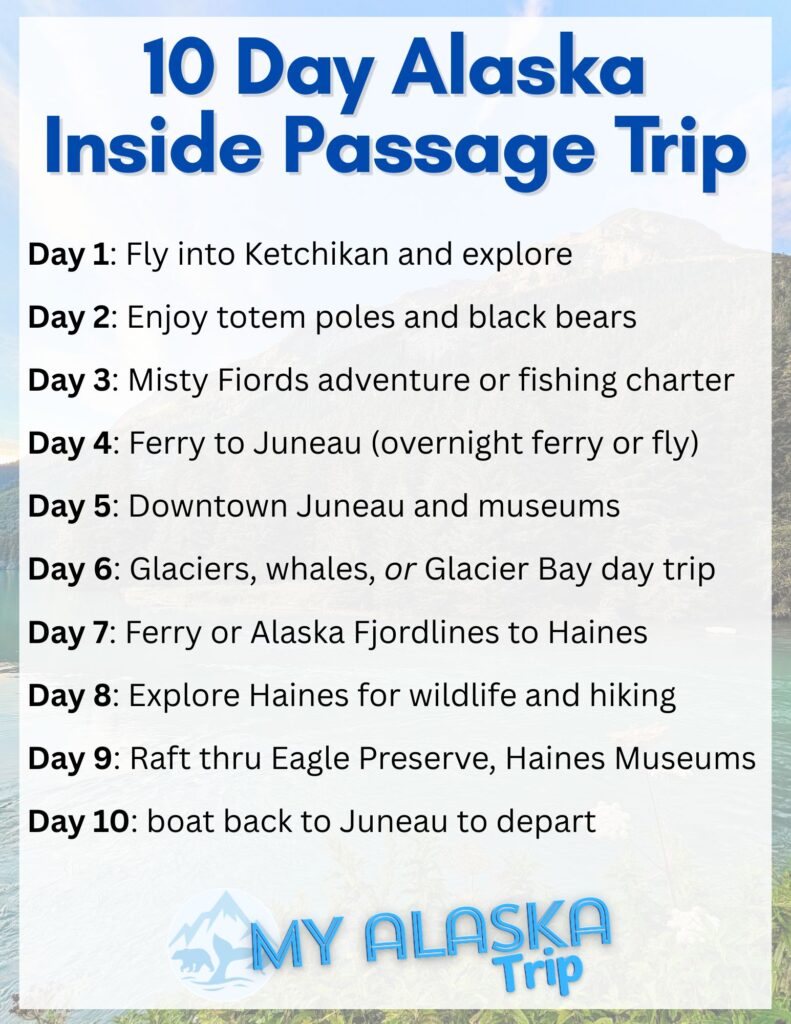
Here’s a flexible itinerary to get your creative juices flowing. Use this as a base for your plans and then add on where you need to:
Days 1-2: Fly into Ketchikan (KTN) from Seattle (SEA), explore downtown, visit Totem Bight State Park and Saxman Native Village, feast on seafood
Day 3: Misty Fjords adventure (splurge on the floatplane if you can!) OR sea kayaking and whale watching
Day 4: Ferry to Juneau (book a cabin for overnight sailing) OR flight to Juneau to save a day
Days 5-7: Juneau adventures including Mendenhall Glacier, whale watching, brewery hopping, maybe squeeze in that Glacier Bay day trip
Day 8: Alaska Fjordlines to Haines (wildlife cruise included!) – this is an afternoon sailing usually
Days 9-10: Explore Haines – float the eagle preserve, kayak Chilkoot Lake, soak in small-town vibes
Day 11: Return to Juneau via Alaska Fjordlines or Alaska Marine Highway for departure OR continue your adventure as a road trip through the Yukon and British Columbia back to the Lower 48 or onward to the main part of Alaska.
The beauty of independent travel instead of being on a cruise ship is that this itinerary is totally customizable. If you love fishing you can add more days or a side-trip to a fishing lodge. If you’re working with a tight budget you can shorten stops and focus on free activities, or just not do the really big ticket things. Family with kids? Build in down time and playgrounds, really leveraging the state parks for open spaces. The Inside Passage is a really fun and memorable trip to take.
I could talk about Southeast Alaska all day long and often do, but here’s what I really want you to know: experiencing the Inside Passage on your own terms, at your own pace, is absolutely magical and not a comparable experience to being a large cruise ship. You’ll make connections with locals, discover hidden gems, and have adventures that cruising can limit. Yes, it takes more planning than booking a cruise and yes, you’ll need to be flexible when ferries run late or weather changes plans, but that’s all part of the adventure. Some of our best memories come from the unexpected moments that happen in the gaps in our itinerary.
If you have any additions questions or need more specific recommendations please leave a comment or send us a note. I love helping fellow travelers plan their perfect Southeast Alaska escape. After all, the more people who experience this magical place respectfully and independently, the better preserved it’ll be for future generations.