Everyone asks the same question before booking: “when is the best time of year to visit Alaska?” It’s a reasonable thing to wonder, but it’s also a little bit of a trap. Alaska doesn’t have a single best time. It has four distinct versions of itself depending on the month you arrive, spring, summer, fall, and winter, each drawing a completely different kind of visitor. I mean though, clearly summer is the best time to visit for the best non-cold weather, but just keep an open mind about the other seasons just in case you get the opportunity to visit Alaska in the off-season
The real question isn’t when Alaska is best overall but actually when Alaska is best for what you actually want from the trip. Midnight sun and humpback whales? That’s a summer answer. Northern Lights over a snow-covered hill? That’s a winter answer (Feb/Mar I’d even say). Fall colors and bears fattening up for hibernation, without paying peak-season prices? September just might be when you want to visit. Once you know what you’re chasing, the timing becomes obvious. As we go through, think about what you want out of visiting Alaska and feel free to leave a comment or send us a note if you have some additional questions about when is the best time to visit.
This guide breaks down Alaska’s three main travel windows: summer, shoulder season, and winter; covering wildlife peaks, weather realities, daylight extremes, cruise and rail access, and what your budget actually looks like by month. Use it to find your window for when to visit, then come back here to My Alaska Trip to build out the actual itinerary, lodging, and tour plan around that timing.

When Is the Best Time of Year to Visit Alaska: Summer vs. Every Other Season
The easy answer for when is best to visit Alaska is the summer because you’ve got so much daylight and the marine life is so great, but it’s not the only option. Let’s dig into just what you can expect season my season and that you’ll be able to choose when is right for your Alaska trip. Keep in mind as you read that I’m speaking from a point of somebody who’s lived in Alaska and regularly visits in all seasons. I’m not just spouting off. And even though I may sound cranky about summer, I’m not and absolutely love it.
What June and July actually deliver for wildlife
June and July represent the overlap point for multiple wildlife species, and July is consistently cited as the single strongest month for wildlife activity. Humpback whale numbers are at their highest, orca sightings are common in Southeast Alaska’s Inside Passage and up in Prince William Sound, eagles are active, and brown bears are increasingly visible as they’re getting ready for the their big salmon feasts. If you want the broadest range of wildlife in the shortest window, July delivers.
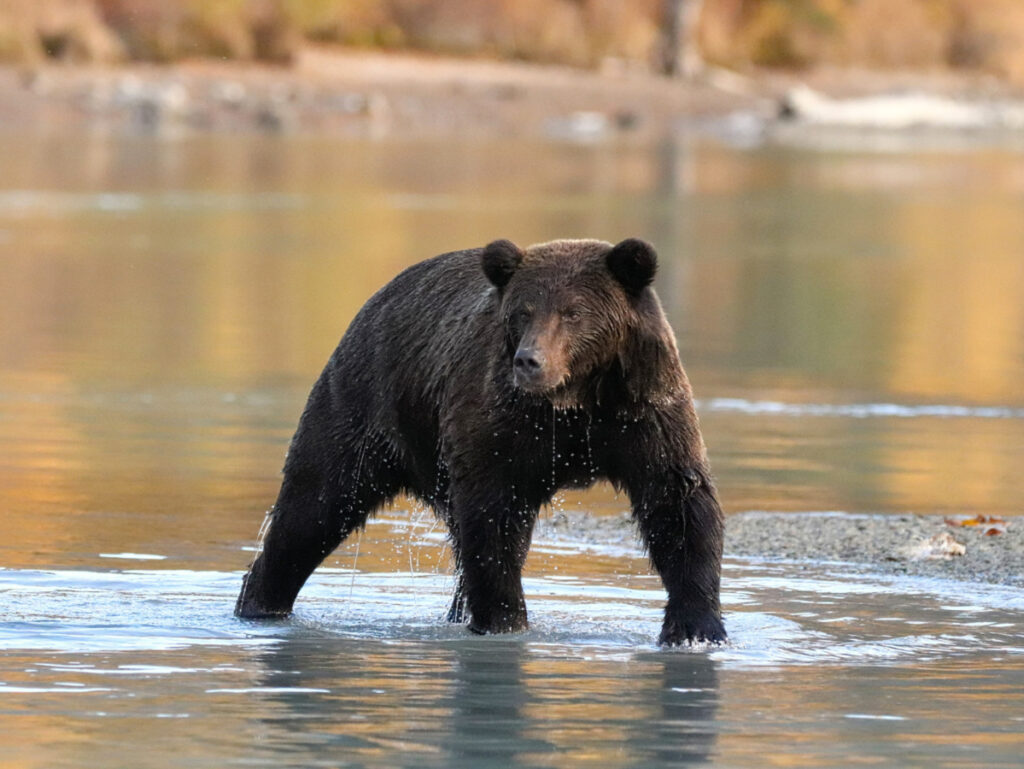
There’s a timing trade-off worth understanding. Whale watching peaks from June through early August, while bear viewing peaks later, in August and into September. Bears at Katmai’s Brooks Falls are most concentrated from late June through mid-July, when the sockeye salmon run is at full strength. A second peak follows in early September through mid-October, when bears enter hyperphagia. Lake Clark National Park is similar with the great bear viewing windows. If whales are your priority, go early in the season. If seeing bears in Alaska is the main draw, late summer and early fall beat midsummer.
If you’re looking for bears, check out Rust’s Flying Service in Anchorage for amazing bear viewing trips! When booking online or over the phone, use code 2traveldads for a 10% discount on your passage!
The Midnight Sun and what it does to your trip
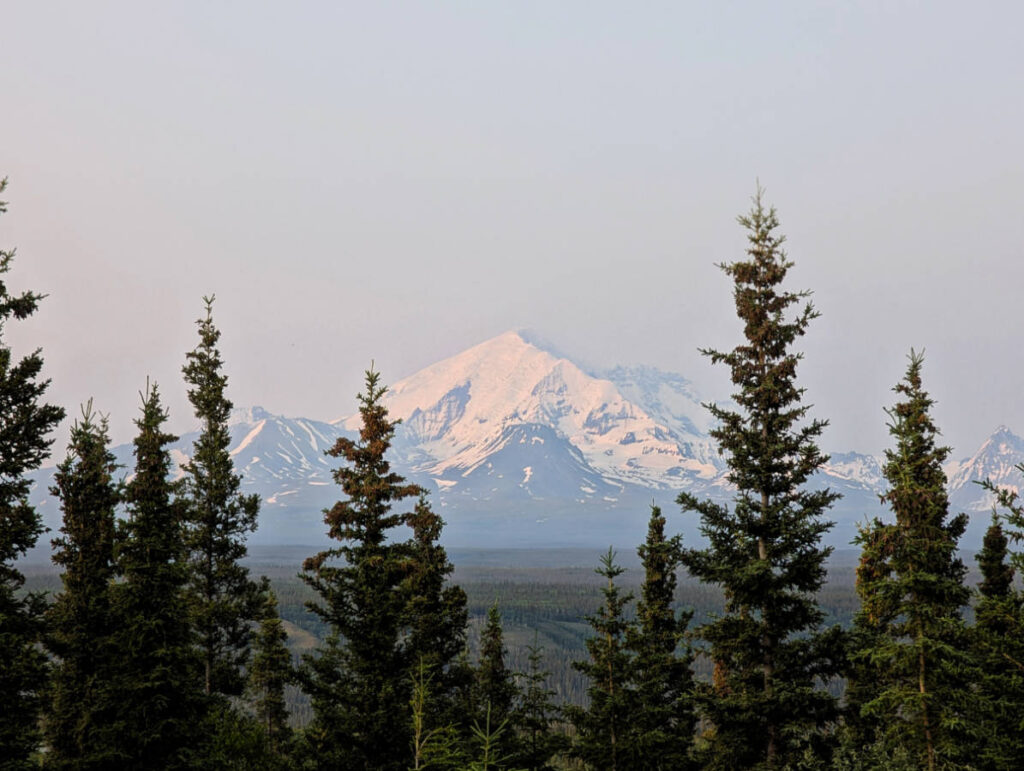
Interior Alaska gets close to continuous daylight in June. Fairbanks approaches 24 hours of light, and even Southeast Alaska sees 17 to 18 hours with the night time being so short and still dim that it’s confusing. The effect is disorienting in the best possible way. Late-evening hikes feel entirely different when the sun is still above the horizon at midnight, and your internal clock will fight you within the first 48 hours. Our kids deal with it just fine, but us adults always struggle with being able to ignore the 11pm daylight or the 3am wake up that looks like the middle of the day. The Midnight Sun effect is real.
We’ve found that the best way to fight the brightness is to pack a good eye mask. It is not optional. Blackout curtains at lodges help, but budget accommodations vary widely and I swear, only 1 out of 10 hotels/lodges/cabins actually has tried to sleep in their rooms at peak daylight. But for the difficulty sleeping, something great is that the Midnight Sun also extends your activity window significantly: wildlife tours that start at 9 p.m. still happen in full light, and trailheads are accessible at hours that would be dark anywhere else in the country. The trade-off is real and some people love getting to do solstice in Alaska.
Peak Season pricing and cruise timing reality
Alaska’s cruise season runs from late April through early October. June through August bring the highest prices, July 7-day itineraries average $1,300 or more per person for a basic cabin (interior), with balcony cabins climbing past $2,500, based on published fares from major Alaska cruise lines. And with big numbers on the ships also come big numbers of people doing land tours. Having worked as a driver guide in AK, I can tell you that the numbers don’t lie and there are weeks during the summer where cruise passengers feel like the primary population in Alaska. Denali, Juneau, and popular trailheads see their heaviest crowds during this same window, both from cruise-tour guests and people traveling independently. These trade-offs are real and worth factoring in before you commit to when to visit Alaska.
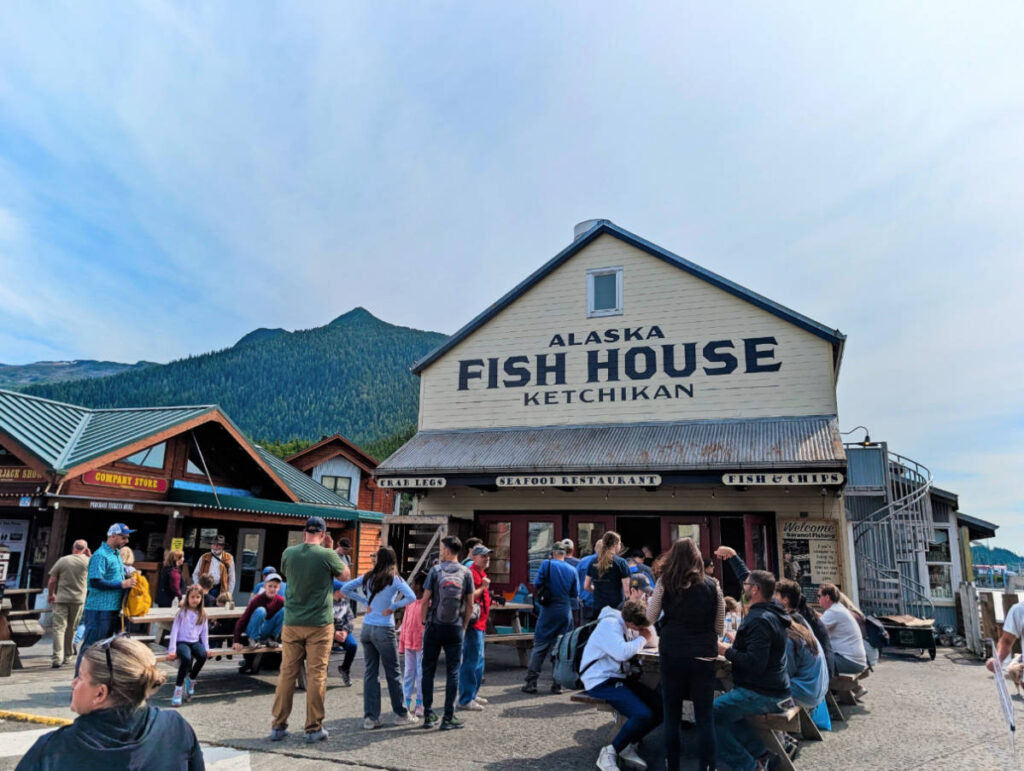
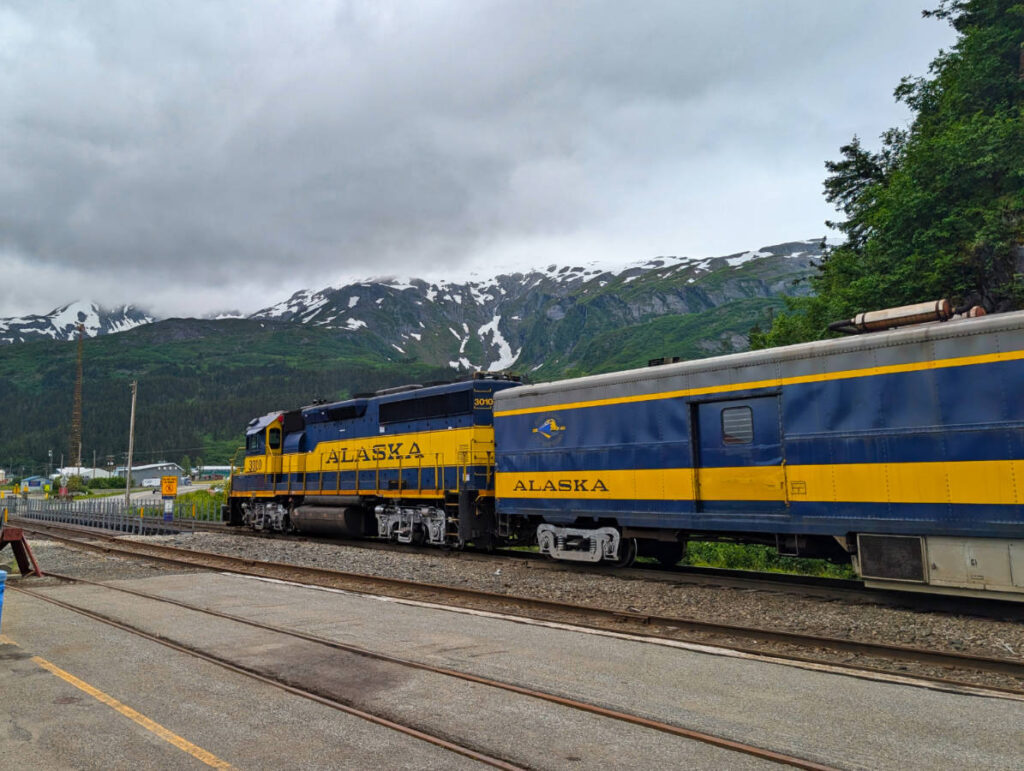
Summer is also when Alaska is easiest to navigate. The Alaska Railroad runs full service on all scenic routes, tour operators are fully staffed, and lodges are open across all regions. If this is your first Alaska trip and you want everything working in your favor, summer delivers on it. You’ll just pay for the privilege of things being open and fully functional. As you move out of early September and things get more quiet, you’ll notice things shutting down… More on that below.
Shoulder Season: Why May and September Deserve Serious Attention
Summer tends to have the best weather and wildlife, but there’s something to be said about “shoulder season” and how pleasant that experience is. Shoulder season, if you’re not familiar with the term, is what we call the transition period from low/slow season to high/peak season and it’s often overlooked as a good time for an Alaska trip.
May in Alaska: spring energy with far fewer people
May marks the opening of cruise season and the return of migratory wildlife, but the crowds haven’t arrived yet for the most part because people expect Alaska to be pure rain and clouds (they’re not wrong). Gray whale migration peaks in April through May, and humpbacks begin showing up in Southeast AK waters by mid-May. Prices run 30 to 50 percent below July rates, making May one of the clearest value windows in the Alaska travel calendar. A cruise that costs $1,300 per person in July often drops to $499 to $800 in May for the same itinerary, a range reflected in publicly listed fares from Alaska-focused cruise operators. Yes, these are usually the very first or second week of the season, but the deal is great and the chances of fine to good weather are pretty okay.
Weather in May is cooler and less predictable, but the landscapes are lush and the light is extraordinary. SE Alaska (Inside Passage) is usually still in the frequent rain, but it’s letting up. The Alaska Railroad’s peak service kicks off around May 15, making rail routes like the Denali Star fully accessible again after the winter reduction. For travelers who want the full Alaska experience without sharing every viewpoint with a hundred other people, May is a strong case that rarely gets made loudly enough. I do really love how quiet it still is, and I think it’s worth braving the uncertain weather for a less busy experience.
September: fall colors, feeding bears, and the first aurora chances
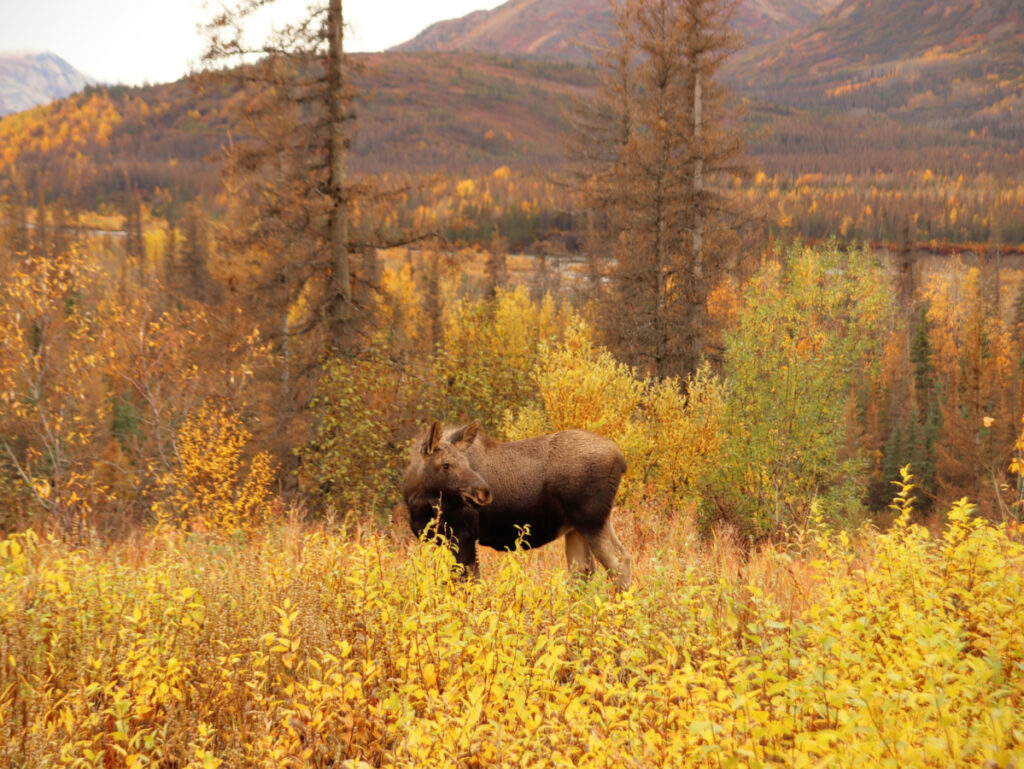
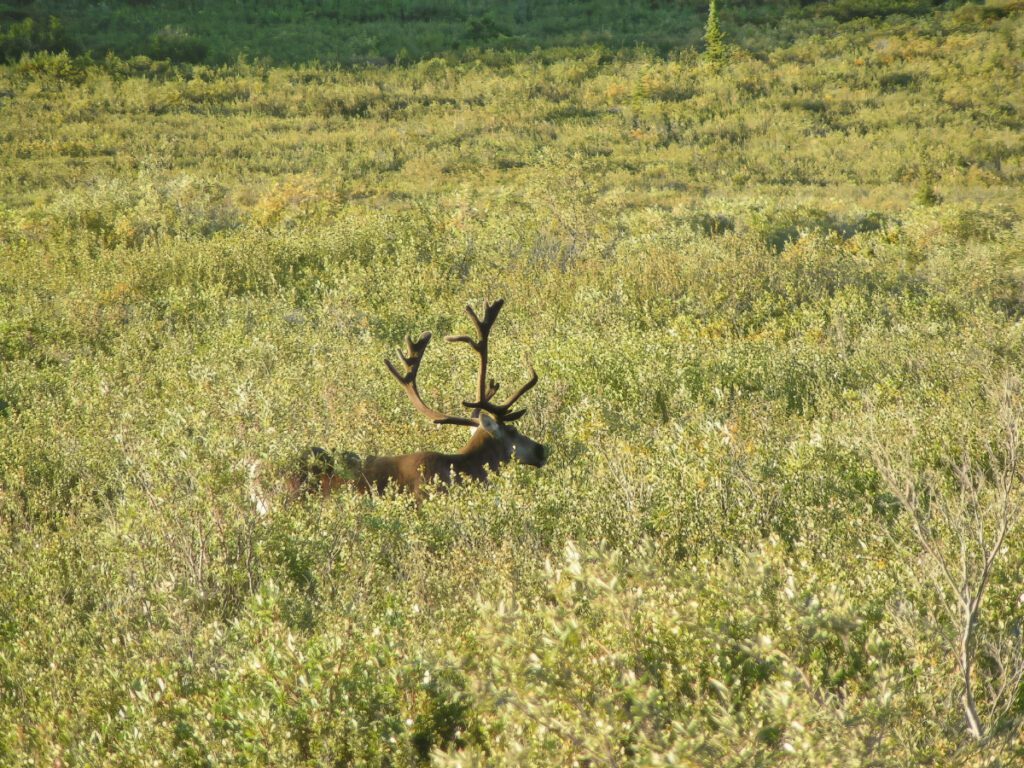
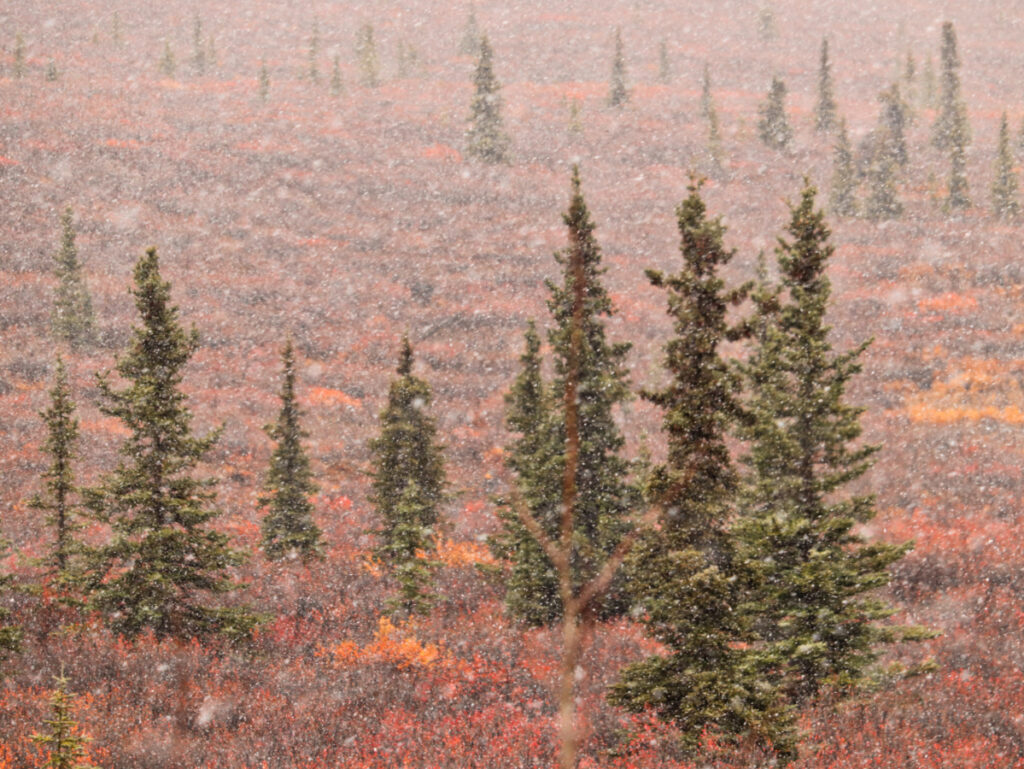
I know you just read that headline and thought “Feeding bears? Um, yes please.” That’s not what I mean though. September is the most underrated month in Alaska, and it’s my favorite month to visit for many reasons. Interior fall colors peak in late August through early September at Denali and Fairbanks, with the Denali Highway (gravel road, Cantwell to Paxson) offering some of the most dramatic tundra color in the state (and great wildlife!). Southcentral Alaska, including the Kenai Peninsula, holds its color through late September. The foliage window is shortest in the Interior, often just two to three days at peak in any given area, depending on elevation and year-to-year weather, so timing matters.
Note: if you can be at Denali National Park for 3 days in the second week of September you may be able see the full seasonal transition at once. When I worked at Denali I went to Savage River every day and was able to photograph the color of the tundra changing from green to yellow to red over a three day period. It’s amazing to see the speed of fall setting in.
Bears enter hyperphagia in September, the intensive pre-hibernation feeding phase that makes them more active, more visible, and easier to observe from a distance. It’s amazing! Also, Aurora season officially begins around August 21, and the fall equinox in September creates some of the highest geomagnetic activity of the year. Shoulder pricing returns, and lodges and operators frequently offer discounts on remaining inventory before shuttering for the winter. You get fall color, feeding bears, and real aurora chances, all at prices that feel far more reasonable than peak summer. September earns its reputation, in my book.
Winter and the Northern Lights: What Alaska Looks Like After October
Don’t write off visiting Alaska in winter. I love it and drag my kids out into the icy wilderness each winter, and they end up loving it too. Wildlife viewing is so easy in the winter with the white ground and bare trees, and the cold itself is an experience everybody needs at least once in their life.
When aurora season officially runs and when odds are highest
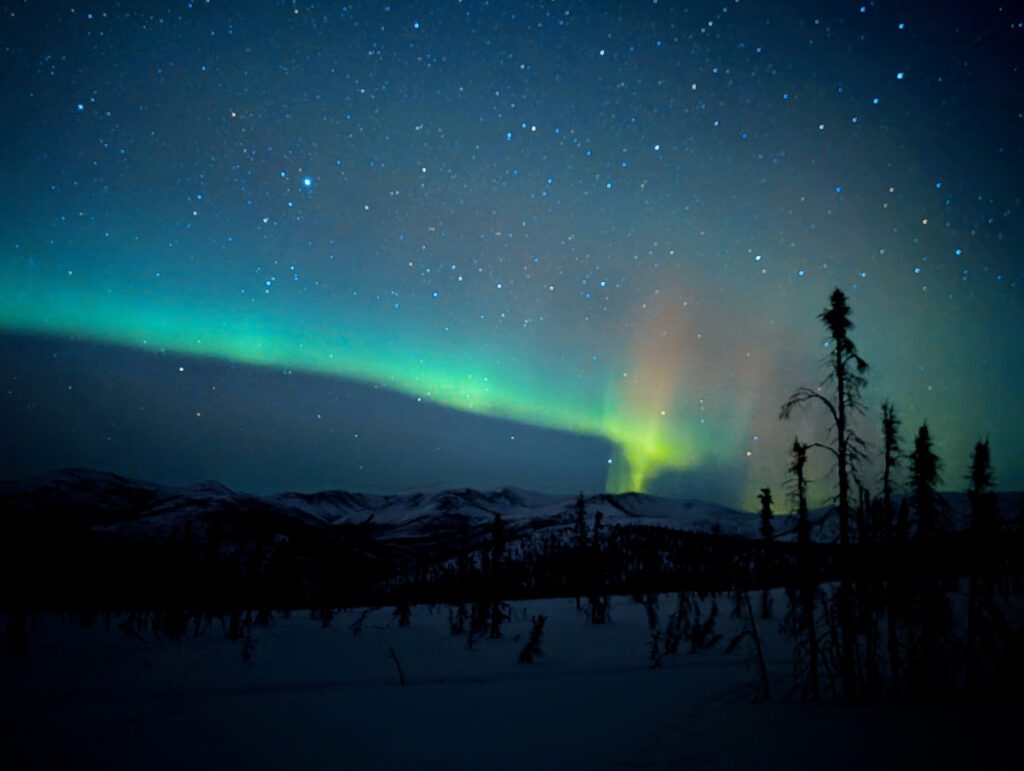
The Northern Lights season spans August 21 through April 20, giving roughly 240 nights of potential viewing. March and September statistically offer the highest probability of strong aurora displays, driven by equinox-related geomagnetic activity. March has a specific advantage: it combines that equinox boost with clearer spring skies, averaging only about 14 cloudy days compared to cloudier winter months. For aurora hunters who want the best single-month bet, March is it. True, you won’t be doing most of the regular activities you think of for Alaska, but you’ll be bundled up watching science in the night sky!
A three-night stay in Fairbanks during peak aurora season gives you roughly a 90 percent chance of a sighting, based on figures cited by the UAF Geophysical Institute. A single night drops those odds to 50 to 60 percent, regardless of the month. Plan for at least three nights if this is the reason you’re making the trip. The reason people talk about Fairbanks for seeing the Northern Lights even though they’re usually visible all over Alaska, is because it’s located right under the crown of where the aurora is usually the strongest.
Where to position yourself for the best Northern Lights odds
Fairbanks sits at approximately 65 degrees north latitude, directly beneath the Auroral Oval, the geomagnetic band where aurora activity concentrates. The city records aurora displays on roughly 243 nights per year when skies are clear, according to the UAF Geophysical Institute. Going farther north, toward the Arctic Circle and beyond, increases your odds further. Interior Alaska locations like Talkeetna and the Denali area also offer significantly better chances than Southeast Alaska, but it can happen anywhere.
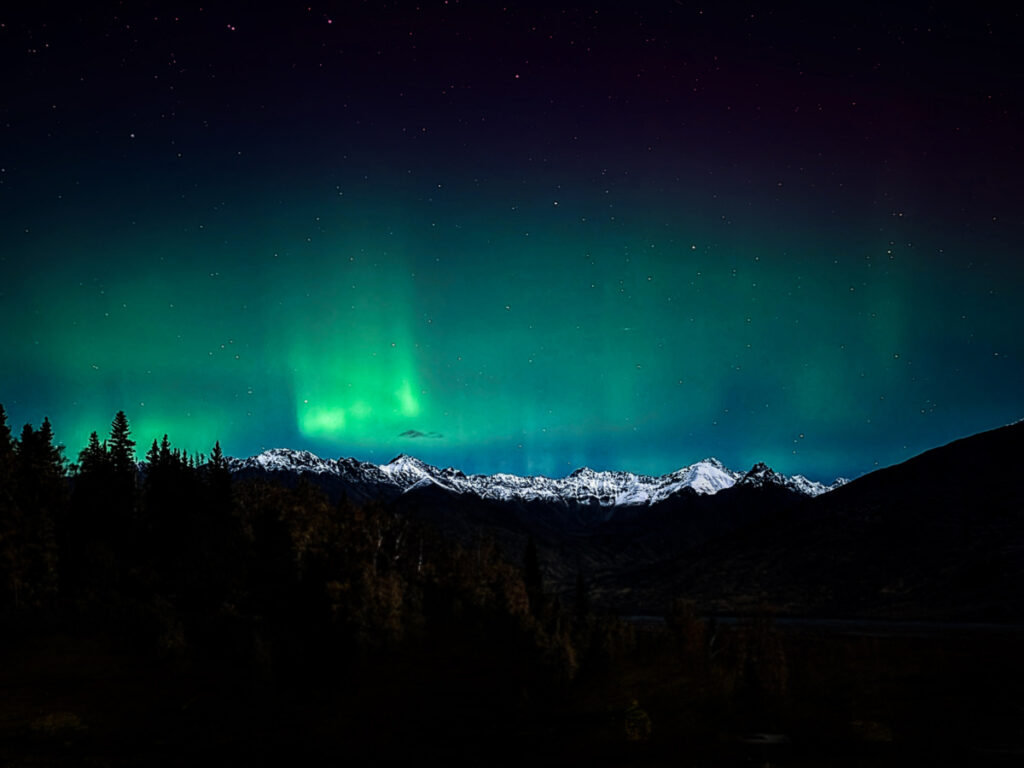
Viewing peaks between 11 p.m. and 2 a.m. Cloud cover is the primary reason people miss the lights, not a lack of aurora activity. Clear, dark skies matter more than anything else. January brings maximum darkness, up to 20 hours in Fairbanks, but March’s cleaner skies and equinox-driven geomagnetic spikes make it the statistically stronger month overall. And you can go out into the darkness on your own or do a tour for Northern Lights. Here are our top picks for tours:
- Chena Hot Springs Snow Cat Aurora Tour – this is my FAVORITE TOUR IN ALASKA
- Aurora Pointe in Fairbanks – this is a viewing location with hot cocoa, couches, viewing screens, and scientists
What winter Alaska looks like beyond the lights
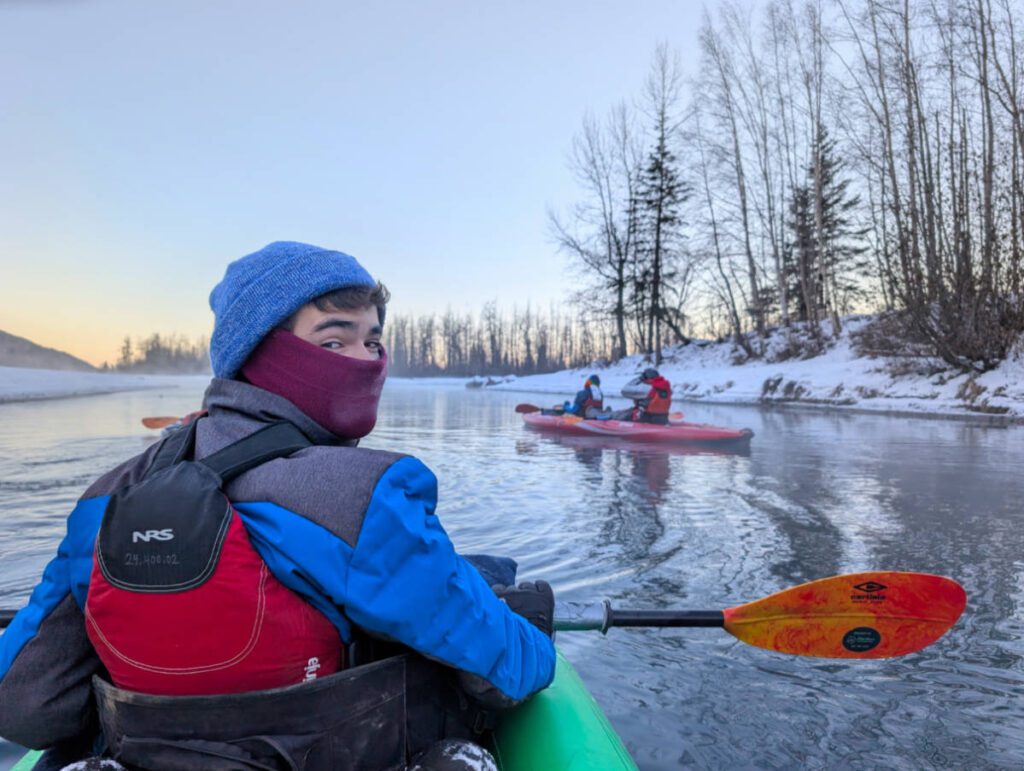
Winter offers dog mushing, ice fishing, snowshoeing, and cold-weather photography. These are legitimate draws for a specific type of traveler, the kind who comes for the darkness and quiet, not in spite of them. Expect no standard cruise options from November through March and reduced Alaska Railroad service on scenic routes, because it’s just simply not tourism season. Bears are largely hibernating or inaccessible, but moose and porcupines are plentiful and actually easier to see due to the bare trees! Winter Alaska is not a compromised version of summer Alaska, but it’s a completely different experience, and it’s awesome for visitors who arrive with the right expectations. Check out our recommendations for winter activities!
Note: I will also be the first to tell you that winter in Alaska isn’t for everybody. The cold is harsh and your skin and lips will be dry. Visiting during the month around winter solstice is DARK and it’s difficult if you’re sensitive to the light. One year we were in Palmer at Christmas and were facing 0 degrees with 75 MPH winds… in the darkness. Winter can be amazing, but it can also be more intense than you might expect.
Alaska Weather by Region: What to Actually Expect
Remember that humans don’t control the weather, so even though you’re taking weather into consideration for when is the best time to visit Alaska, know that summer can be wet or blazing hot, and September can be full of fall colors or include an early snow… So take my words with a grain of salt.
Southeast Alaska (Juneau, Ketchikan, Sitka, Haines)
Southeast AK, meaning the Inside Passage, is wet, moderate temperatures, and heavily forested. Annual rainfall runs 60 to 140 inches depending on location, though June is actually the driest month in Juneau, averaging around 3.2 inches. Summer highs sit in the low to mid 60s °F. September brings the rain: Juneau sees 8 to 9 inches of rainfall that month, compared to about 3.4 inches in May. Winter brings frequent rain rather than extreme cold, with temperatures staying in the mid 20s to low 30s°F, but Juneau and other SE AK towns can see some crazy snow coming off the Pacific Ocean.
Pack rain gear regardless of the month you visit Southeast. This applies in June, August, and especially September. The region’s lush rainforest character (I love the Tongass National Forest!) is a direct product of that moisture, and the scenery is extraordinary for it. Arrive expecting to get wet, and you’ll find the landscape pays you back for it. I always like to say, regarding weather or wildlife, “Have high hopes and low expectations.”
Interior Alaska (Fairbanks, Denali area)
Interior Alaska has a pretty pleasant summer climate with dramatic seasonal swings. July temperatures can reach 90°F in Fairbanks, while January overnight lows drop to -25°F or colder. Annual snowfall is surprisingly modest at 8 to 12 inches, and summer precipitation is minimal compared to coastal regions. Daylight is the extreme variable: nearly 24 continuous hours in June, down to 4 to 5 hours in December (and less north of Fairbanks).
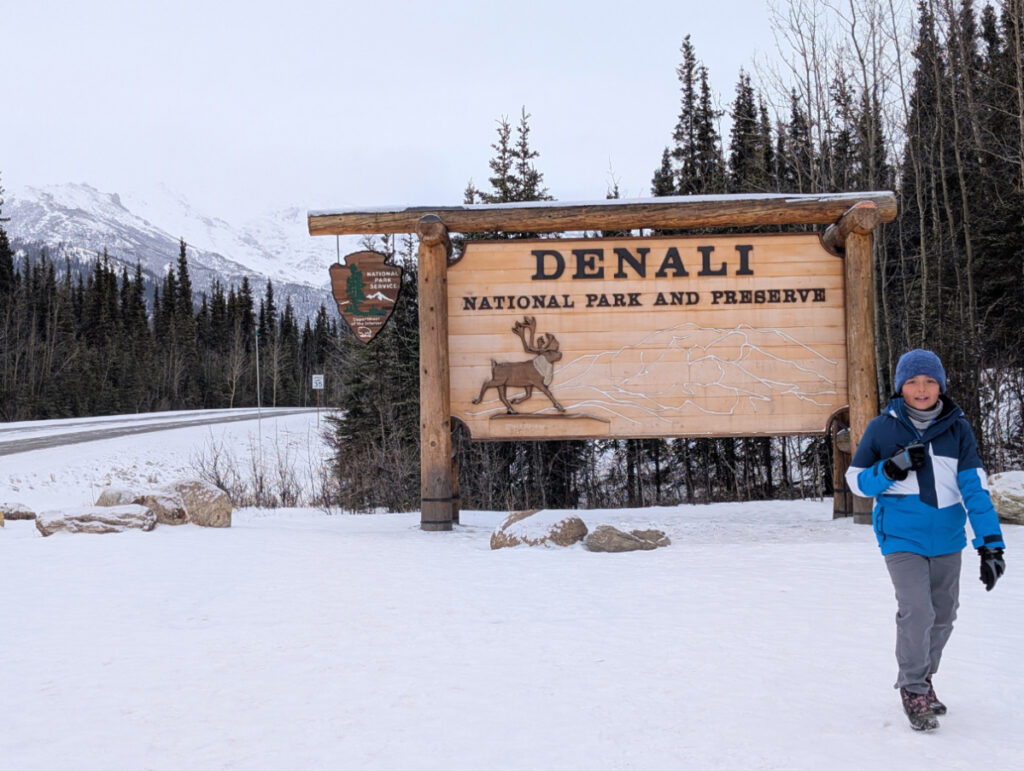
The Interior offers the starkest contrast between Alaska’s summer and winter versions. Denali National Park in late August looks nothing like Denali in the winter. Both are worth experiencing, but they require entirely different gear, expectations, and itineraries. And you may even have a September visit that’s half fall colors and half snow storm.
Southcentral: Anchorage, the Kenai and Prince William Sound
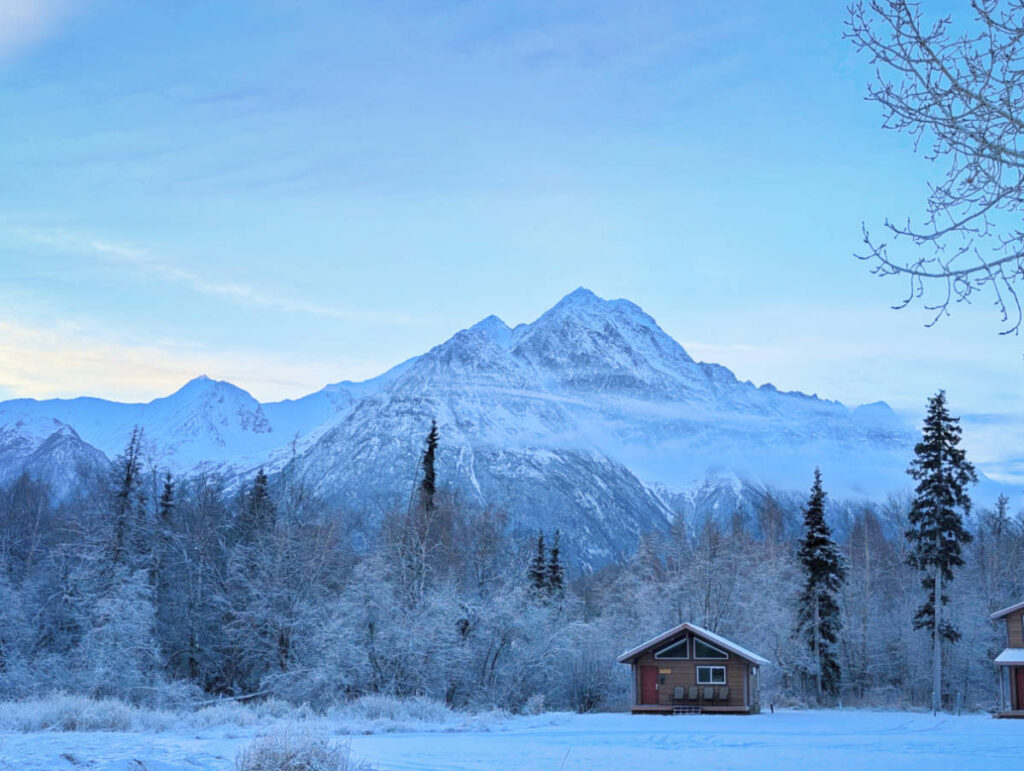
Anchorage and the Kenai Peninsula, and then over into the Prince William Sounds areas, are milder than the Interior and considerably drier than Southeast Alaska. Summer highs settle in the low 70s°F with reliable access to National Parks, trails, and wildlife corridors. During the summer this is the region with the second most visitors (behind Southeast). People know they’ll be able to have fun and explore and usually the weather cooperate enough. In the winter, it’s much wetter snow than what they get up in the Interior, but it’s just as pretty. We’ve enjoyed lots of winter activities in Southcentral Alaska, and while the Kenai isn’t a winter playground for most visitors, Anchorage, Palmer and Valdez are awesome for snowy fun.
Arctic Alaska
Arctic Alaska, which people think of primarily as Prudhoe Bay/Deadhorse and Utqiaġvik (Barrow), reaches highs of only 38 to 45°F even in July and experiences continuous daylight from May through July. Visiting the Arctic requires significantly more logistical planning, including flights into remote communities and limited lodging options. Build in extra lead time if Arctic Alaska is on your list, because it’s an adventure in itself to get there. Since we’re talking about being tourists in AK, I would say it’s rare for people to visit and want to make the journey up to the Arctic in the winter (I’ve never done it), but know that it’s cold and dark. Like, very cold, very dark.
When Is the Best Time of Year to Visit Alaska, by Traveler Type
I think it’s safe to say that everyone has different goals for the type of experience they want to have and that it influences when to visit Alaska. I know when people ask me about when to visit, I immediately try to peg the type of traveler they are, because it very much influences when the right time to go is.
Wildlife-first travelers (like me)
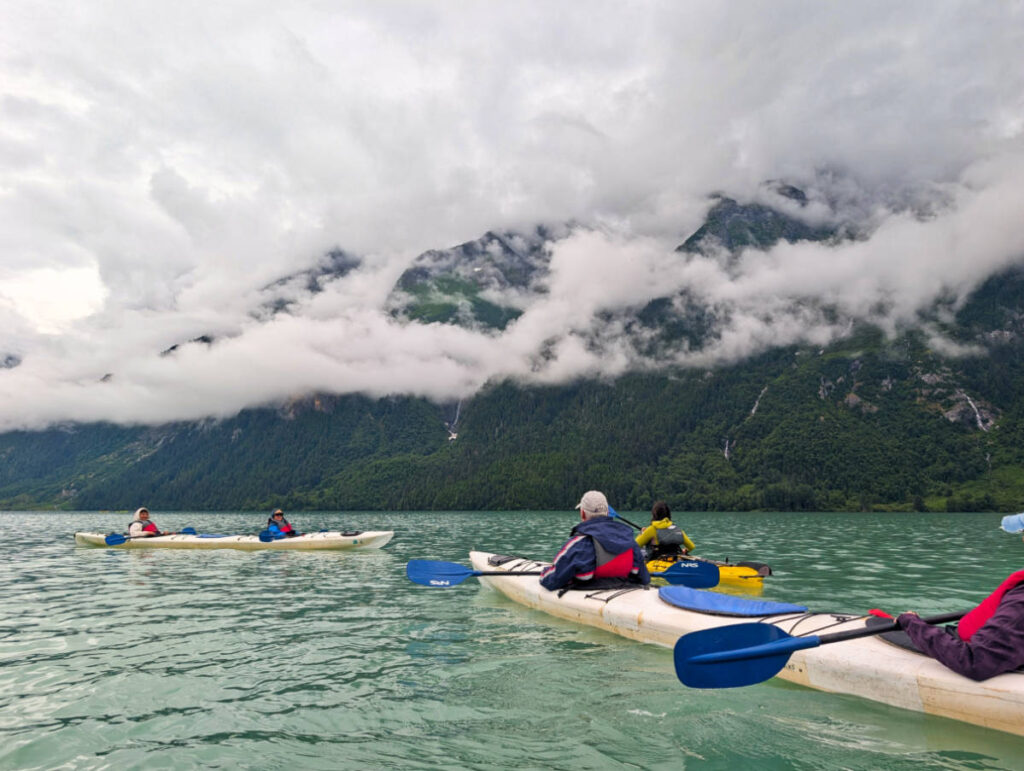
If whales are the priority, target June or July and plan to do a big tour on the water in either Kenai Fjords National Park, Prince William Sound, or do a small ship cruise in Southeast Alaska. Here are boat tours for each area that are great for seeing whales:
- Kenai Fjords Tours
- Phillips 26 Glacier Cruise
- Stephens Wildlife and Glacier Cruises
- Harv & Marv’s Juneau Whale Watching
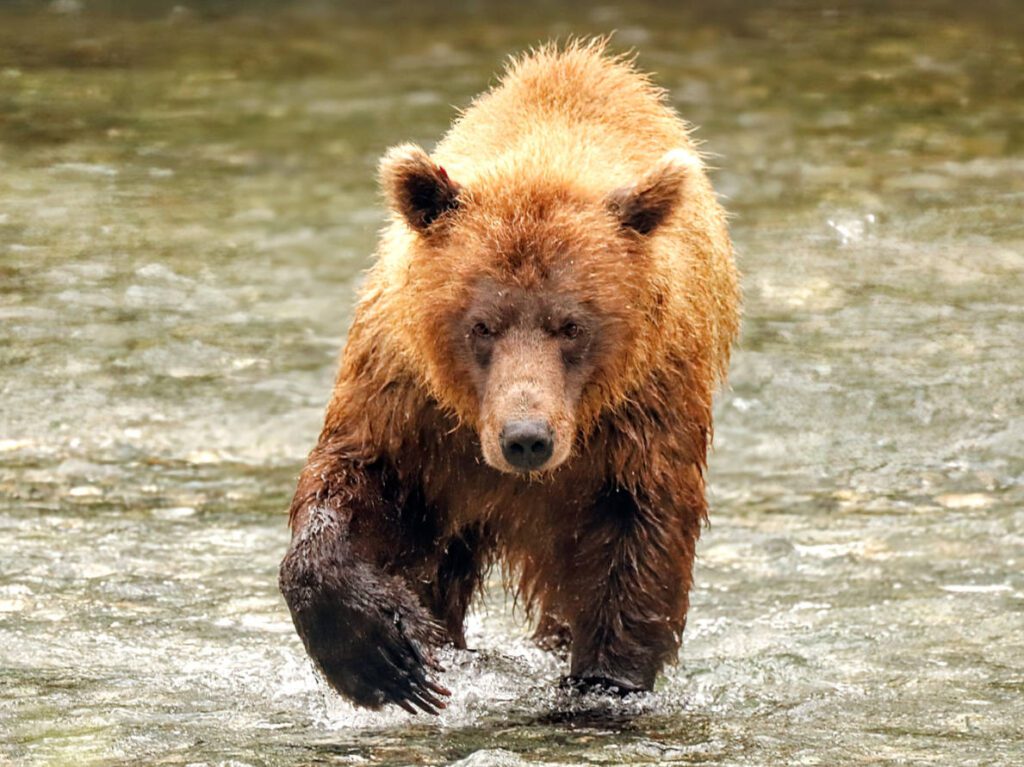
If bears are the priority, target August and September. When they first wake up in May, they tend to be really active but then they kind of disappear a bit while they’re focused on eating the first good vegetation of the year, but then as the salmon start to come in and then the bears move into hyperphagia (continuous eating for winter bulk) in September, it becomes very easy to spot bears, and not just in places like Katmai or Lake Clark National Parks.
If you want good overlap of both, July is the best single month, giving you peak humpback activity alongside increasingly visible bears. Flightseeing adds a good way to see wildlife, regardless of your base location. Operators such as Rust’s Flying Service offer wildlife-focused aerial tours that extend your viewing range well beyond what ground access provides.
Budget and first-timer priorities
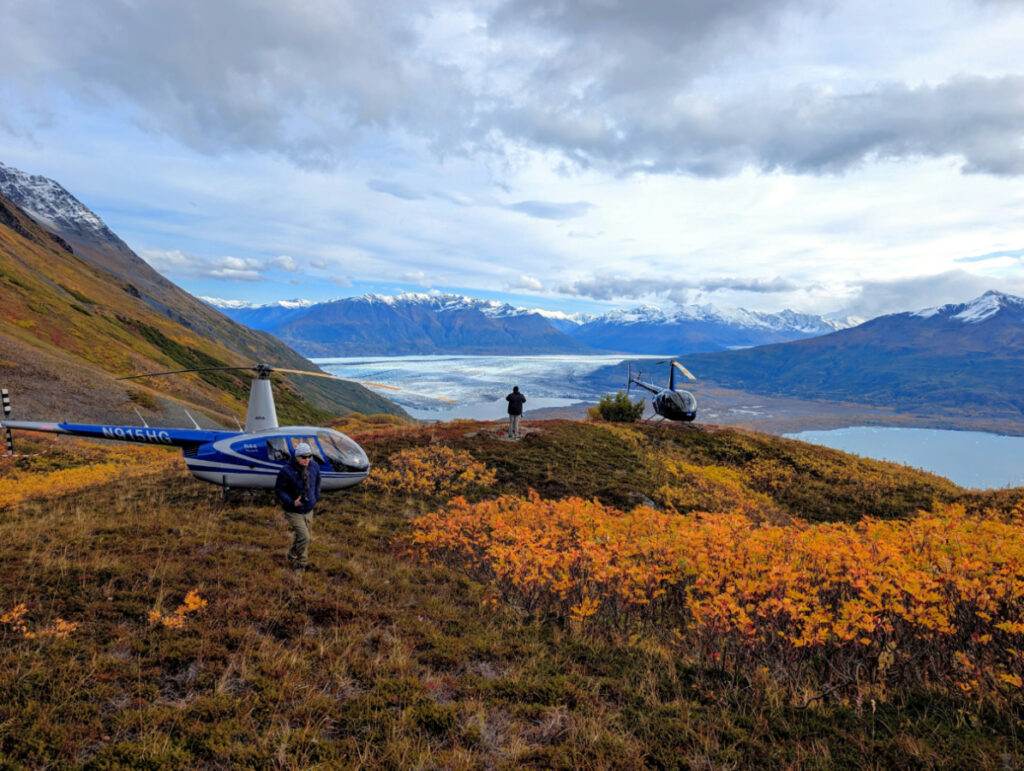
For first-time Alaska visitors who want the full experience without peak-season prices, May and September are the clearest value windows. Early May brings you the migratory wildlife, full rail access, and cruise options at 30 to 50 percent below July rates. September adds fall color, feeding bears, and real aurora chances since you actually have darkness. These aren’t bad months to visit Alaska at all; they’re frequently underbooked and often more memorable for it. September is my FAVORITE.
If you need season-specific itineraries and lodging recommendations around this kind of travel, keep in mind that some tour operators shut down in the first week of September, so if you’re not sorting through options when you’re planning a September trip, keep in mind that some operators will adjust their season based on how busy the summer was and what the visitor projects are like for fall.
Northern Lights: the Aurora is the goal
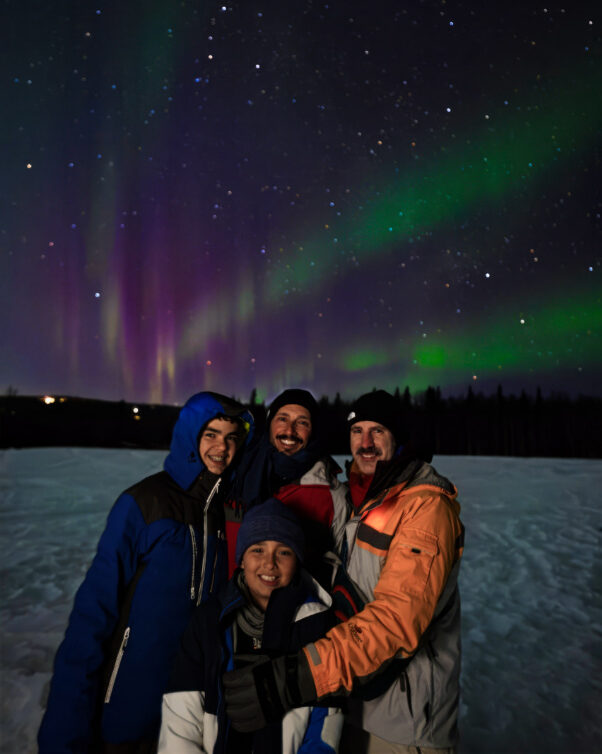
If the aurora is your primary reason to visit, book for March and base yourself in or near Fairbanks. February works as a backup (a little colder) if you can’t do March. September is the right call only if you want aurora combined with fall colors and wildlife, accepting that viewing conditions require more flexibility than a dedicated winter trip and you’ll literally be setting an alarm for yourself to look outside at 2:00 am. Book at least three nights wherever you land as just one night is not enough to hedge against cloud cover, and Alaska in winter is not the kind of place you want to leave feeling like you missed the whole point.
So When Is the Best Time of Year to Visit Alaska?
The best time to visit Alaska really does depend on what you actually want from your visit. Summer delivers wildlife, midnight sun, and full infrastructure access, but at a price. Shoulder seasons deliver almost as much for considerably less, with fewer crowds and the added beauty of changing seasons. Winter delivers the lights, the silence, and a version of Alaska most visitors never see.
First-timers who default to peak summer often have great trips, but travelers who match their timing to their actual priorities tend to describe their Alaska trips differently, not just as a bucket-list checked off, but as something that got under their skin and stayed there…and now they want to go back again. That’s the trip worth planning for. If you have any questions about what we’ve shared or need additional recommendations, please leave a comment or send us a note. We’re always happy to share more and help you plan a great Alaska trip!