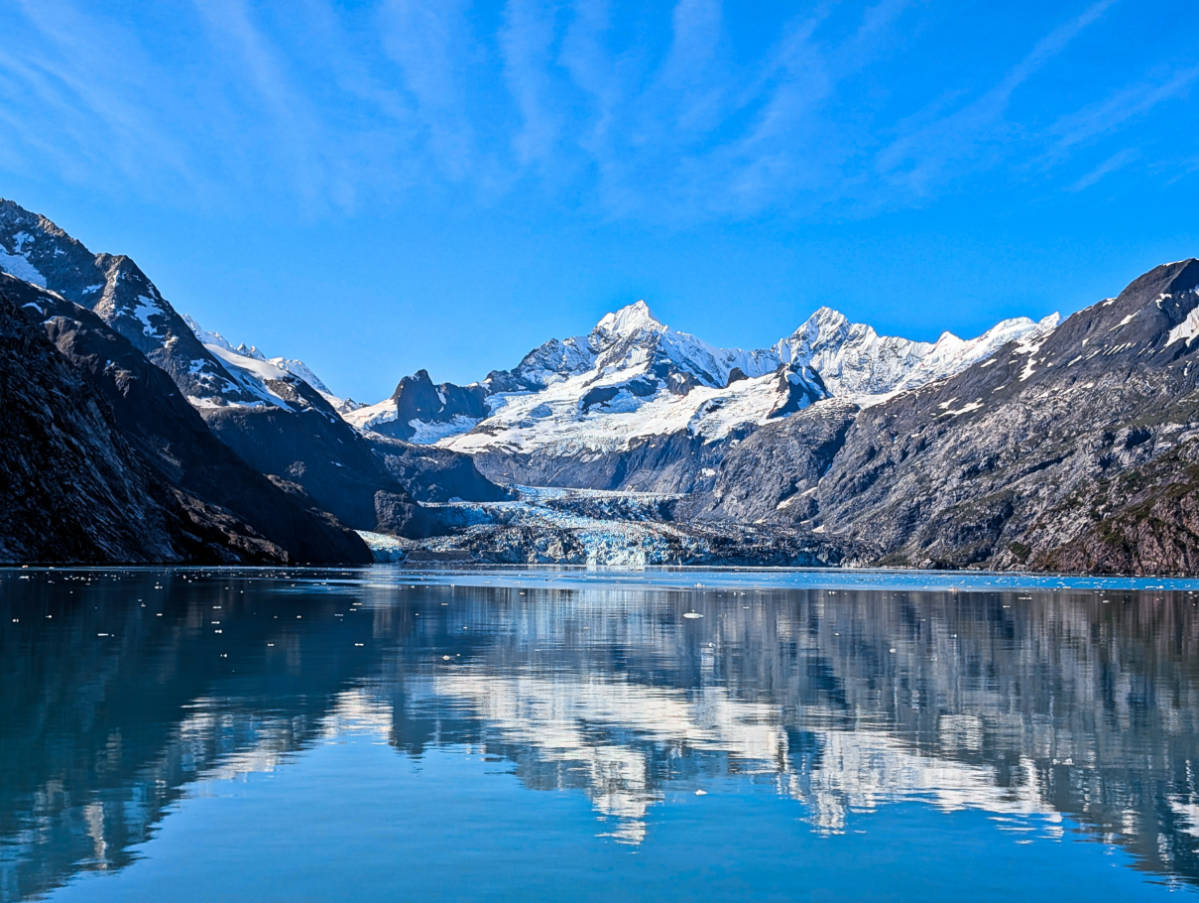
If you’re visiting Glacier Bay National Park, expect icebergs floating in still water, glaciers splitting the horizon, and humpback whales breaching in the foreground. The photos are accurate but the planning reality behind them is not what most people expect though, and it’s not all tidewater glaciers everywhere you look. Visiting Glacier Bay National Park for the first time you’ll likely be surprised by the landscape and overall experience. There’s no road into any part of Glacier Bay National Park except in the Gustavus area. There’s no shuttle parking lot, no entrance kiosk, no ranger handing you a map as you roll down the window.
Getting here requires a deliberate plan and understanding logistics: where to fly, how to get from the airport to the national park area, what kind of experience you want, and whether you’re camping, lodging, or visiting via cruise ship. Consider this your Glacier Bay travel guide for first-timers, a practical walkthrough of every decision you’ll need to make for a great visit. By the time you reach the end of our guide, you’ll have a clear picture of how to get to Glacier Bay, what to expect when you arrive, and how to structure a trip that actually matches your time, budget, and comfort level. If you have any questions or additional suggestions, please leave a comment or send us a note. We’re always happy to share more and help you plan a great Alaska trip!
What Makes Glacier Bay National Park Unlike Any Other
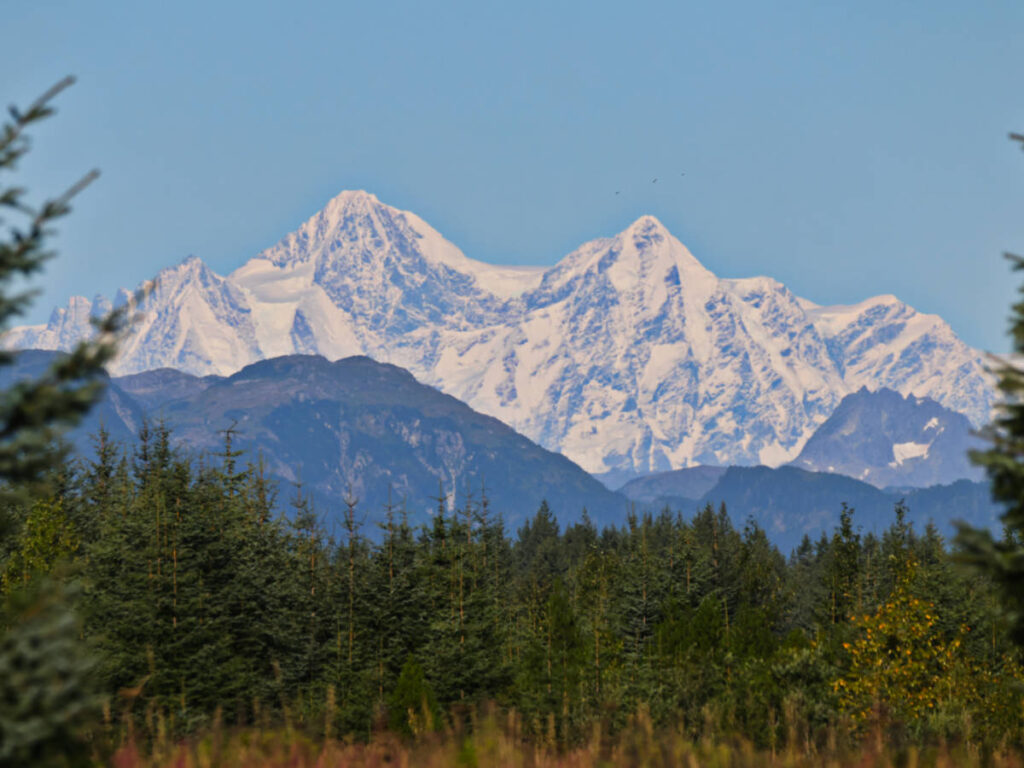
Centuries ago (1700s), Glacier Bay was buried under a massive sheet of ice, glaciological studies suggest the ice was many thousands of feet thick in places. The glaciers have since retreated dramatically since they were first documented in the 1790s, and what remains is one of the fastest ecological recovery stories on the planet. Scientists still study the bay as a living model of post-glacial succession. Tidewater glaciers continue calving icebergs directly into the water, and Glacier Bay is an amazing destination where visitors can watch that happen from a boat, in real time, without a helicopter or a week of backcountry travel to get there.
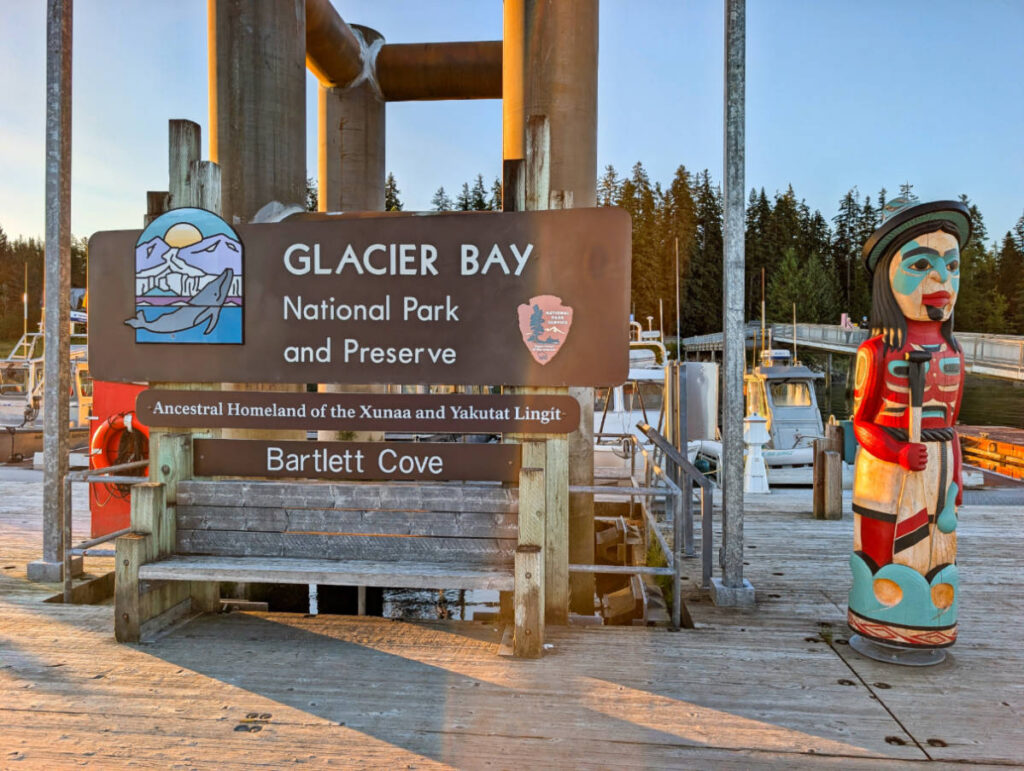
Unlike Denali or Kenai Fjords National Park, Glacier Bay has no road access except to the Bartlett Cove area, and even that is just access to this one spot. The nearest town with basic services is Gustavus, Alaska, a small community of a few hundred residents. Everything in Gustavus, food, fuel, and accommodation, exists in limited quantities that come in on the ferry or are flown in. That remoteness is why getting to visit Glacier Bay National Park demands more logistical planning than most U.S. national parks.
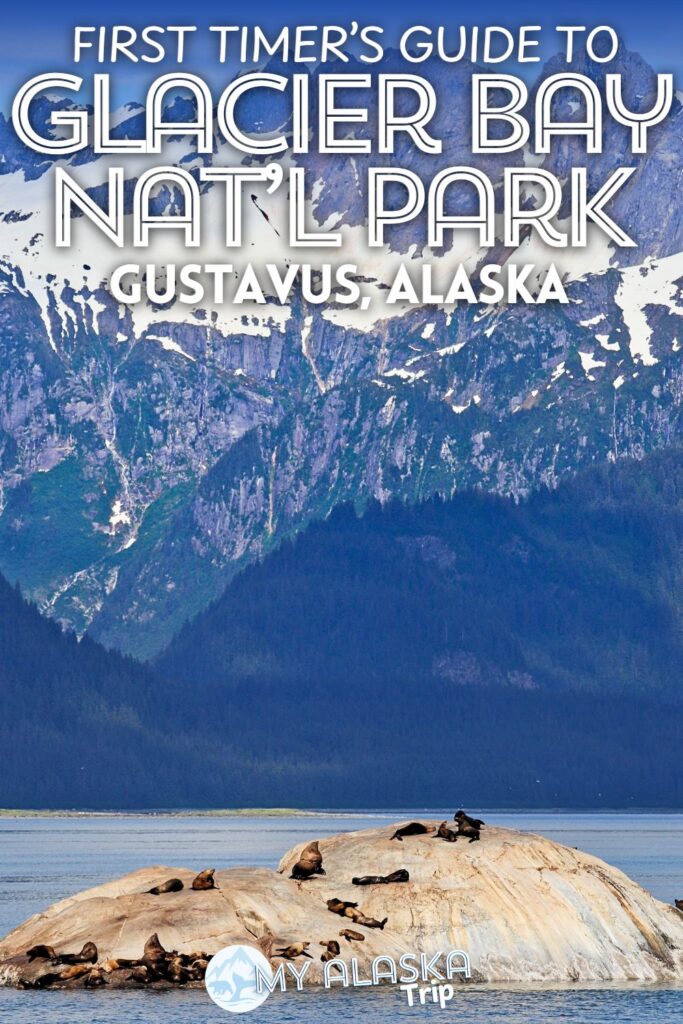
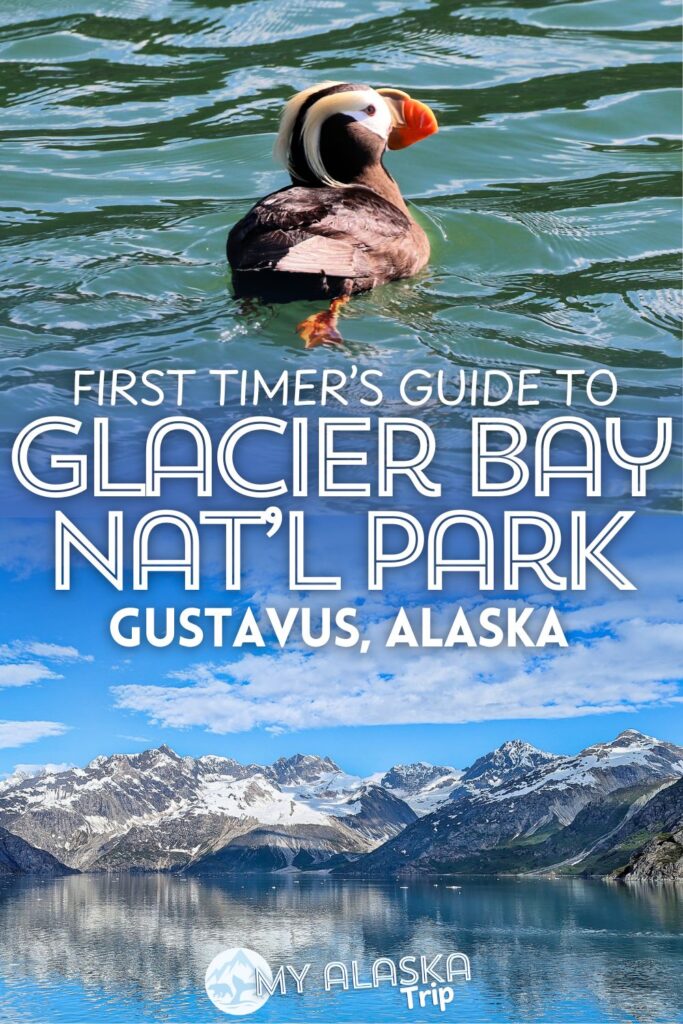
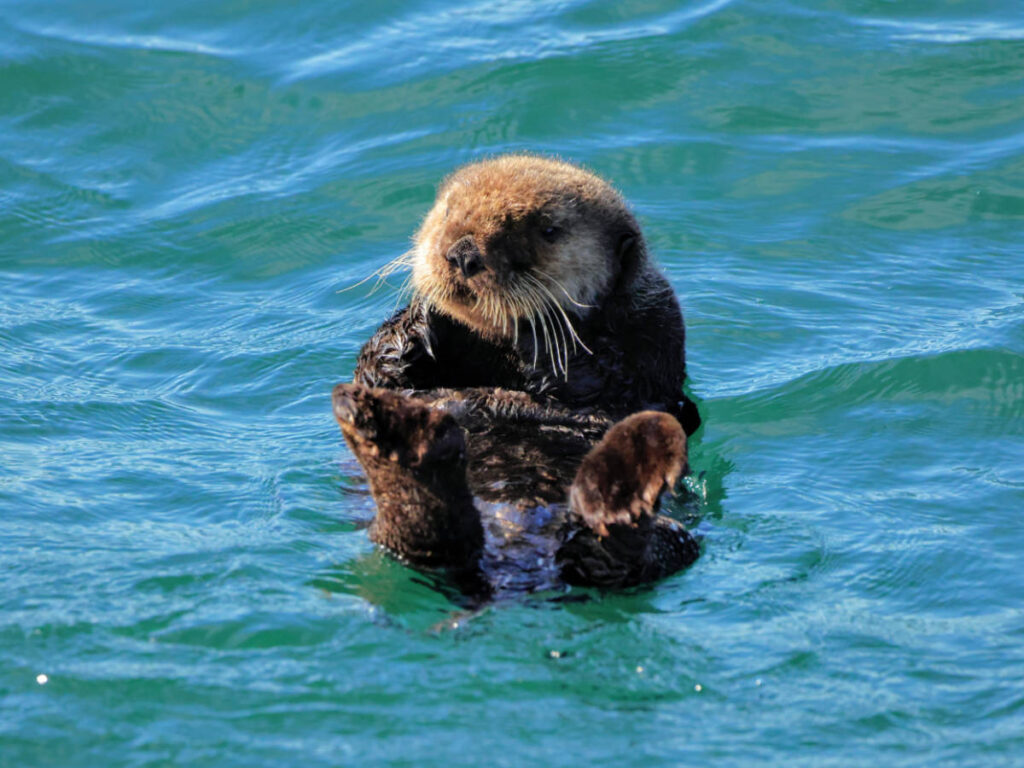
Glacier Bay NP is primarily a water-based destination, and first-timers need to arrive with that understanding. The core experiences are glacier viewing from a boat, wildlife on the water (humpback whales, orcas, harbor seals, sea otters, puffins), backcountry kayaking, and the sheer scale of the inlet as it opens up around you. There are short trails near Bartlett Cove, but Glacier Bay is not a hiking park in the way Yosemite or Zion are; long-distance backcountry trails are limited compared to most parks. It’s an ocean and ice park for most visitors, and your trip planning will likely reflect that.
Best time for visiting Glacier Bay National Park
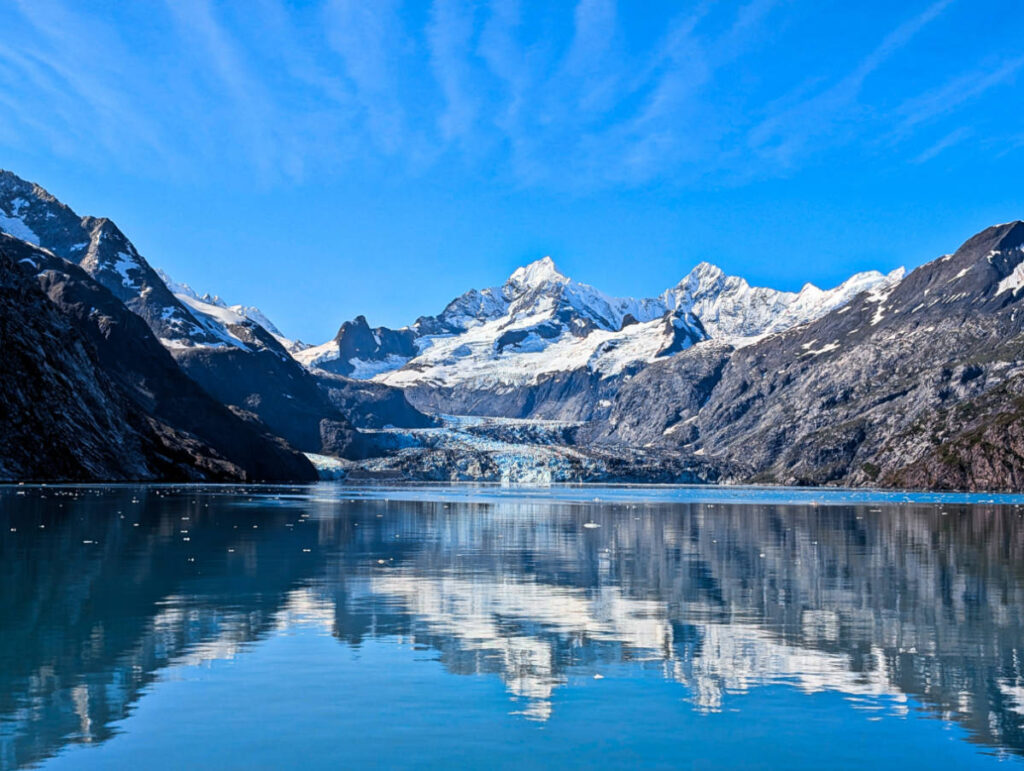
The visitor season runs from firmly May through early September, but not all months are equal. Timing shapes the kind of experience you’ll have more than almost any other single decision, and the trade-off is essentially weather versus wildlife, activities vs relaxation. The town of Gustavus and the tours and things to do very much mimic the availability of Alaska Airlines flights to get there, even though there are other options for transportation.
May and June: the sweet spot for most visitors
May and June offers the best combination of drier conditions, long daylight hours, and reliable glacier-viewing weather. Early summer temperatures in Glacier Bay National Park are generally cooler than July, often running through the 50s and into the low 60s F, and precipitation tends to be lower than late summer. If you’re looking for clear skies and glacier photography over peak wildlife activity, you may prefer this window. Crowds are also lighter than July, which matters in a park with limited capacity.
July: warmest month, busiest crowds
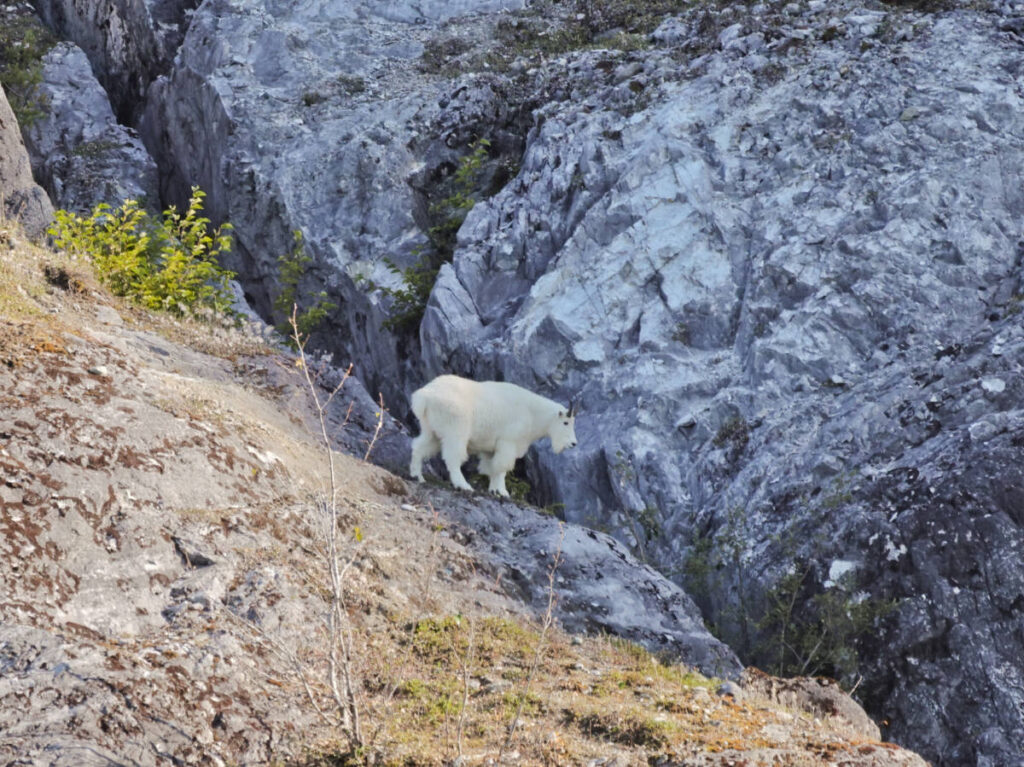
July is the warmest month in Glacier Bay National Park, with average highs around 62 to 65 degrees F. The weather is the most comfortable, the days are long, and conditions are generally excellent for both glacier viewing and wildlife, as the humpbacks have fully arrived and the orcas are following the salmons runs into the bay. It’s also the most in-demand month: cruise ships, day tours, and kayakers all compete for space, and lodge rooms disappear quickly. Book accommodations and tours well in advance if July is your window. (more on where to stay below)
August and September: wildlife rewards with trade-offs
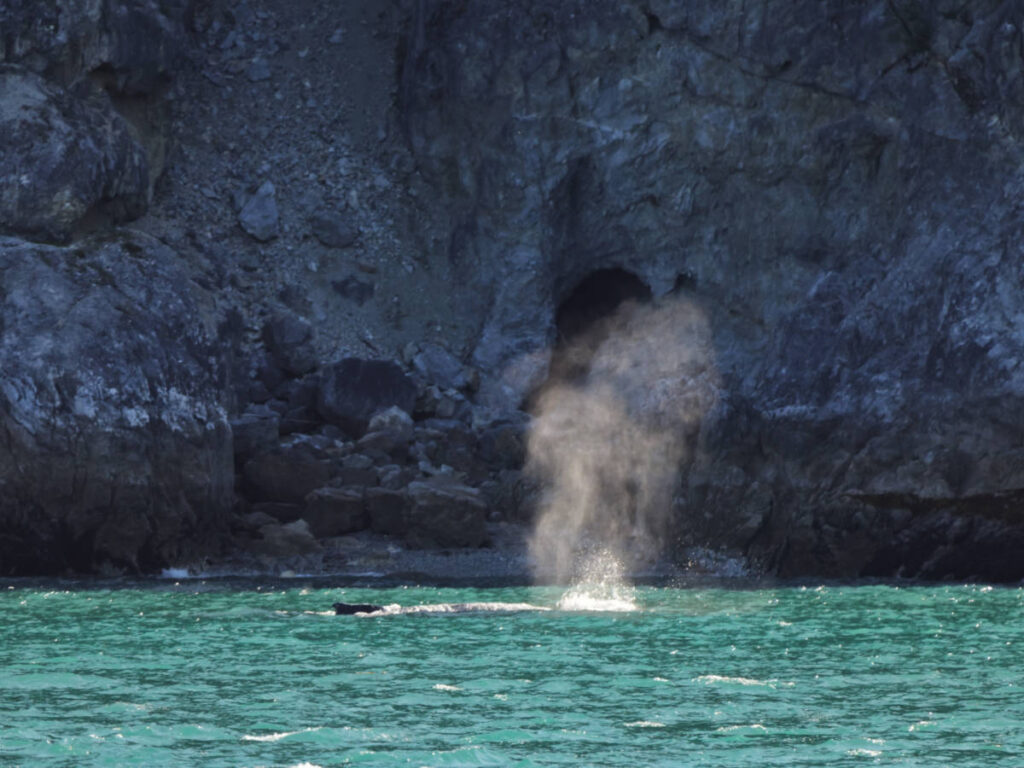
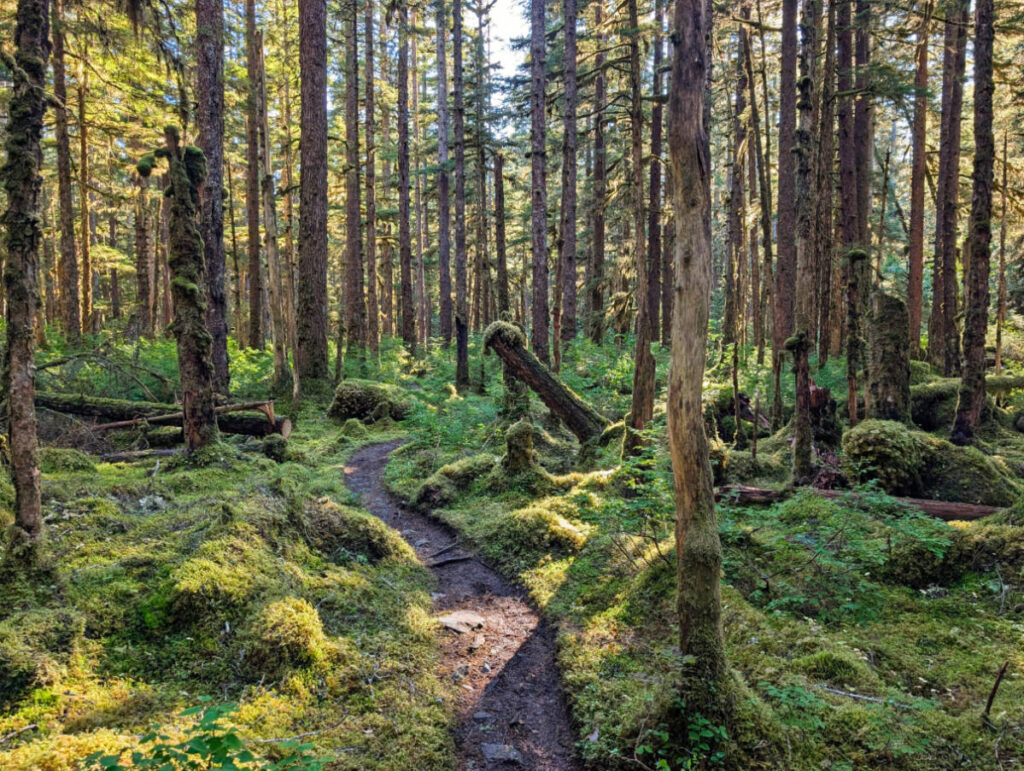
August is the standout month for whale watching, particularly humpback whales feeding in the bay’s nutrient-rich waters before they head back to Hawaii and Mexico. For anyone prioritizing wildlife over clear skies, late summer works well. Rainfall increases a lot through August, and September turns cooler and wetter still, which can reduce visibility and general comfort, but if marine mammal encounters are your primary goal, late summer delivers. If glacier photography and blue-sky days matter most, earlier in the season is more reliable. Also, for the few hiking trails that there are in the Bartlett Cove area, they can get squishy.
How to get to Glacier Bay National Park: access options
This is where most first-timers hit their first planning wall. There is no road into the park, which means your access options are flight, boat, or cruise ship. Each comes with real trade-offs in terms of cost, flexibility, and how much of the park you actually see.
Flying into Gustavus
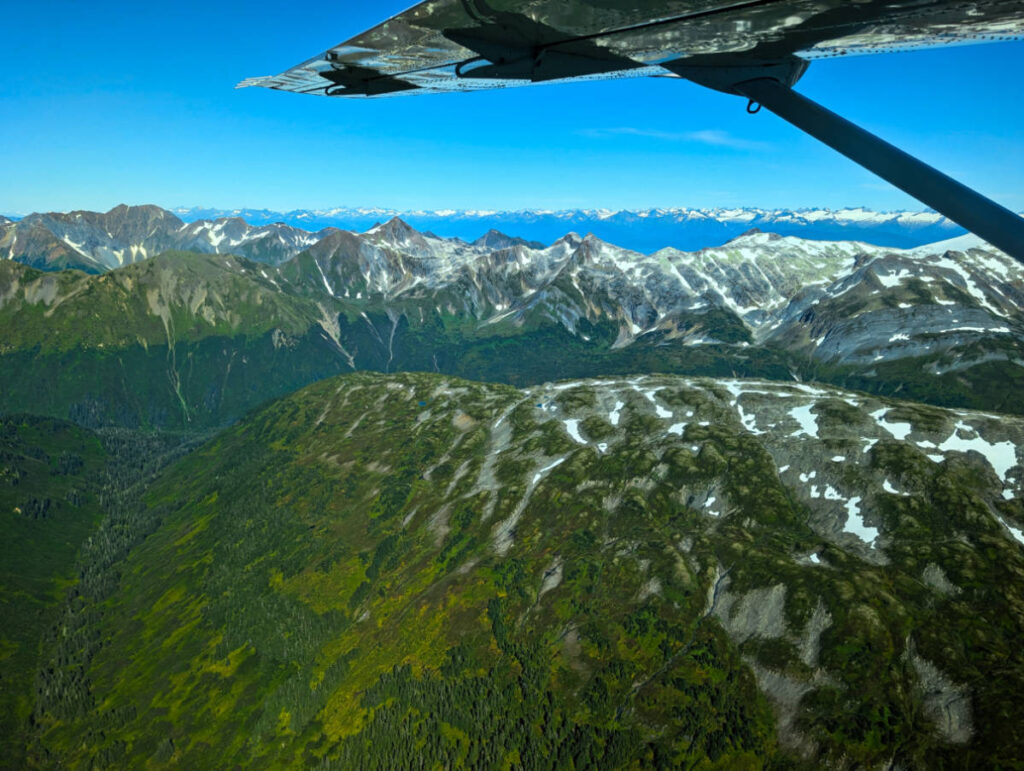
Alaska Seaplanes do year round flights, multiple times a day into Gustavus. At the end of May, Alaska Airlines operates daily jet service from Juneau to Gustavus during the summer season, with the flight taking roughly 30 minutes. Alaska Airlines ends their service by September 1. Air taxis and charter services also connect Gustavus to Juneau and other Southeast Alaska communities. From the Gustavus airport, it’s about 10 miles by road to Bartlett Cove and the park headquarters. Glacier Bay Lodge runs a shuttle between the airport and the lodge for guests, and TLC Taxi serves the route for about $20 per adult one-way, a 14-minute drive. This is the most common access route for independent travelers staying at the lodge or campground. You can also rent a car through Bud’s Car Rentals.
The day cruise from Bartlett Cove
Glacier Bay Lodge’s Baranof Wind boat tour operates seasonally from late May through early September, boarding at 6:50 am and departing at 7:15 am, with a return at 3:30 pm. Adult tickets run approximately $265 to $272 per person in 2026, based on pricing listed by Glacier Bay Lodge and Tours. The catamaran tour includes lunch and a park naturalist on board and covers a significant stretch of the bay. One important detail: this tour departs from Bartlett Cove, not Juneau. Visitors flying from Juneau still need to travel to Gustavus first, which means budgeting for both the flight and ground transfer before the tour even begins. Book the Glacier Bay NP Boat Tour here!
Arriving by cruise ship or private vessel
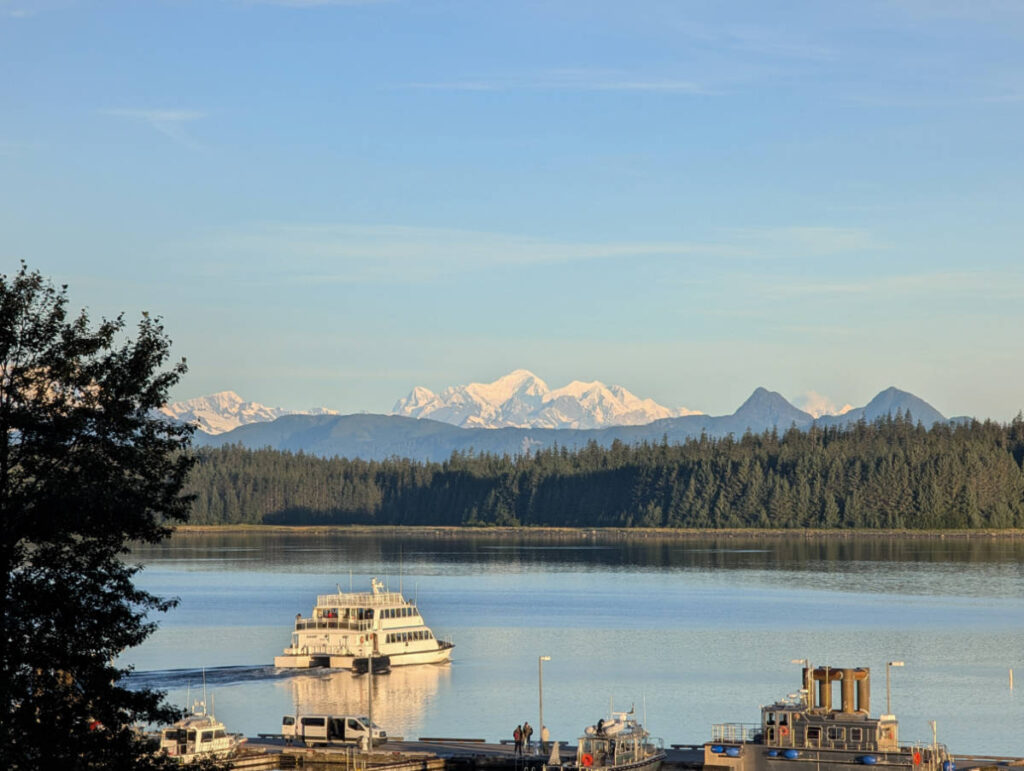
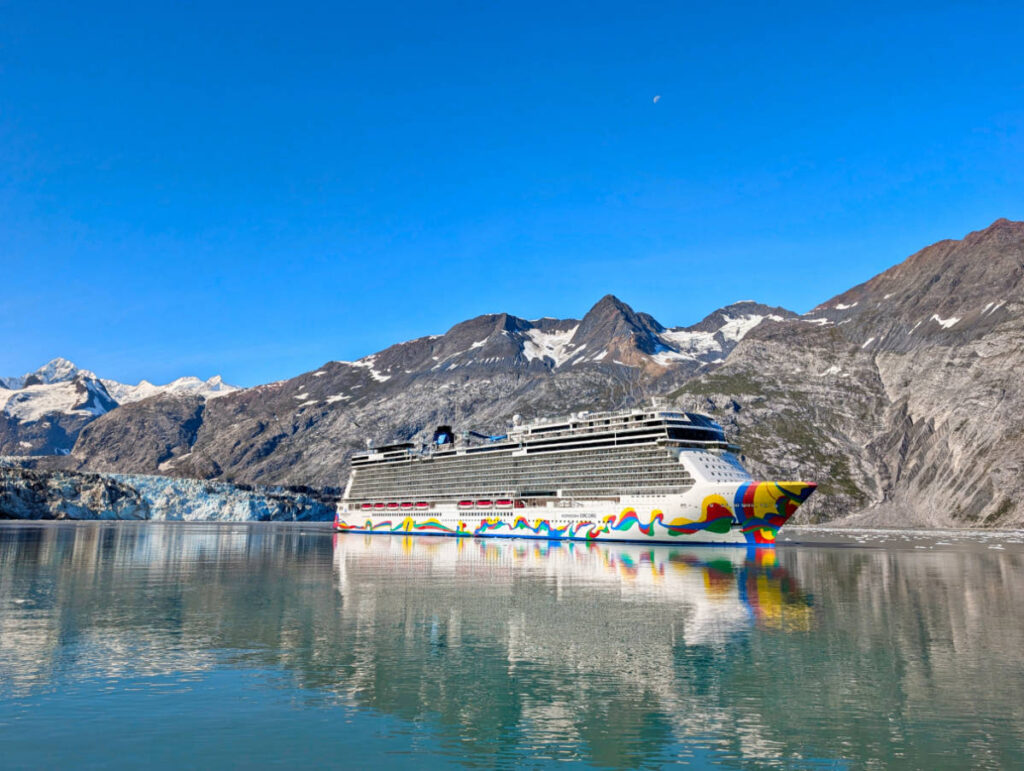
The majority of Glacier Bay visitors arrive aboard large cruise ships. Most are 7-night Alaska itineraries departing from Vancouver or Seattle. These typically include a scenic pass through Glacier Bay alongside port stops at Juneau, Skagway, and Ketchikan. You’ll see the glaciers from the ship’s deck, which is impressive how close they can get, but the experience is a pass-through, not an immersion. Most cruise ships will pick up a National Park Ranger from a tender boat on their way into the Bay, so there is some NPS activity going on onboard.
Note: if your cruise itinerary doesn’t explicitly state “Glacier Bay National Park” then it does not go into the bay. You will likely have other glacier and wildlife viewing opportunities, but you won’t enter the National Park.
Interested in an Alaska Cruise? Let us help you plan and book it!
You can take the Alaska Marine Highway ferry from Juneau to Gustavus if your timing is right. This allows you the chance to bring a car or bike onto the boat. Private boaters can access the park between June 1 and August 31 with a free permit reserved up to 60 days in advance. A mandatory boater orientation is required before entry, offered daily at 8:00 am, 12:00 pm, and 4:00 pm at the Visitor Information Station at Bartlett Cove.
Permits and park rules every first-timer needs to know
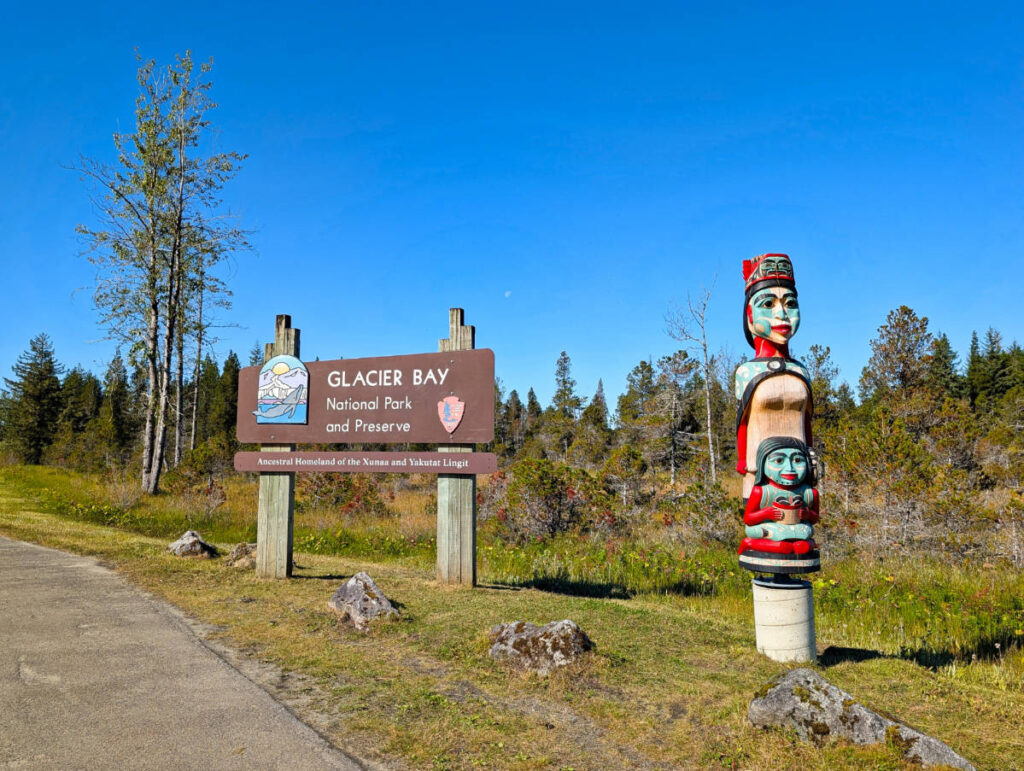
Glacier Bay has no entrance fee, which surprises most visitors who assume a park this remote must charge something. It doesn’t. Several specific activities require free permits and mandatory orientations, and getting this wrong can derail your trip before it begins.
Overnight camping in the park requires a free backcountry permit from May 1 through September 30. All overnight backcountry users, including kayakers, must complete an in-person orientation at the Visitor Information Station at Bartlett Cove before receiving their permit. This isn’t optional, and it isn’t a formality, plan your arrival time around this requirement. Private boaters must complete a separate required annual orientation before entering Glacier Bay waters, and the park limits private vessel access to 25 permits per day. Up to 13 of those permits can be reserved up to 60 days in advance; the remaining 12 go through a rolling daily lottery with applications accepted three calendar days before entry.
A few additional rules are worth knowing before you arrive. Sport fishing inside the park requires an Alaska state fishing license. The maximum group size for wilderness use is 12 people. Private vessels must contact the park by VHF radio or phone before entering and exiting Glacier Bay waters from May 1 through September 30. These are enforced regulations during the active season, not courtesy guidelines.
Tour options: from a single day to a full expedition
The range of ways to experience Glacier Bay runs from an 8-hour catamaran tour to multi-week expedition cruises offered by some operators. The right choice depends entirely on your budget, available time, and what kind of engagement you want with the landscape.
The Glacier Bay Boat Tour
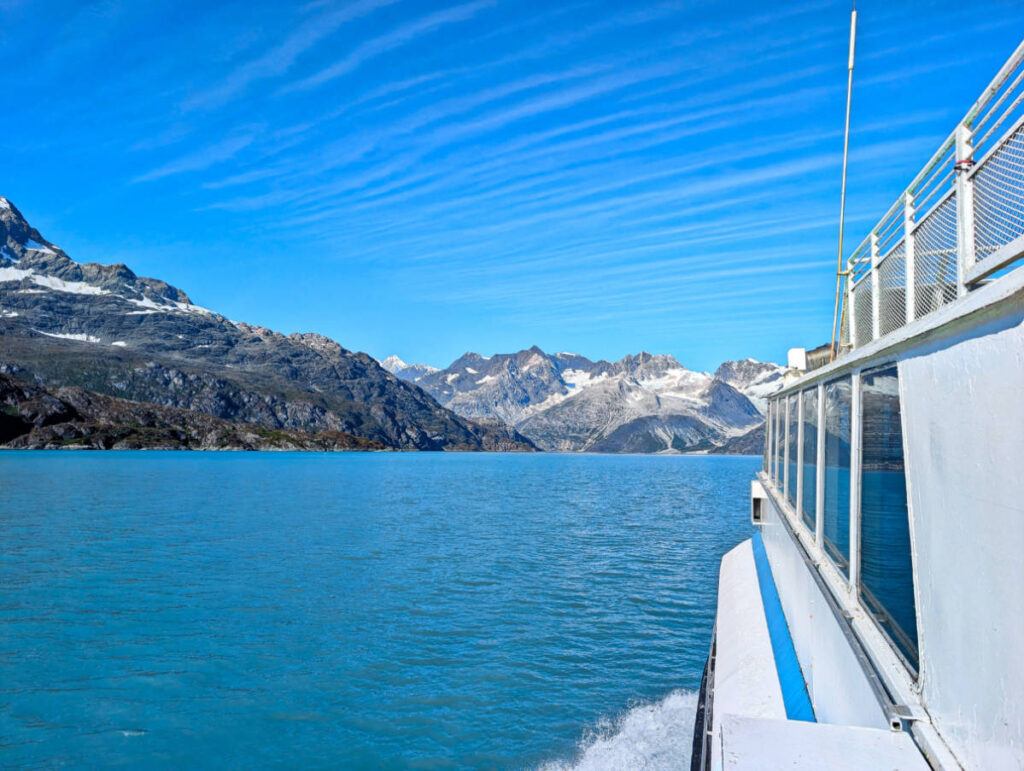
For visitors with one day in the park, the Glacier Bay Lodge day tour is the most accessible option. The 8-hour catamaran trip travels deep into the bay for glacier and wildlife viewing with a park naturalist on board, and it includes lunch. At roughly $265 to $272 per adult in 2026 (per Glacier Bay Lodge and Tours pricing), it covers significant ground for the price. Book early, it fills up, particularly in July. If you’ve already read through the access options section above, note that the logistics and pricing are the same tour covered there; the key booking consideration is simply how far ahead you reserve. Book your Glacier Bay NP boat tour here!
Kayaking and guided wilderness experiences
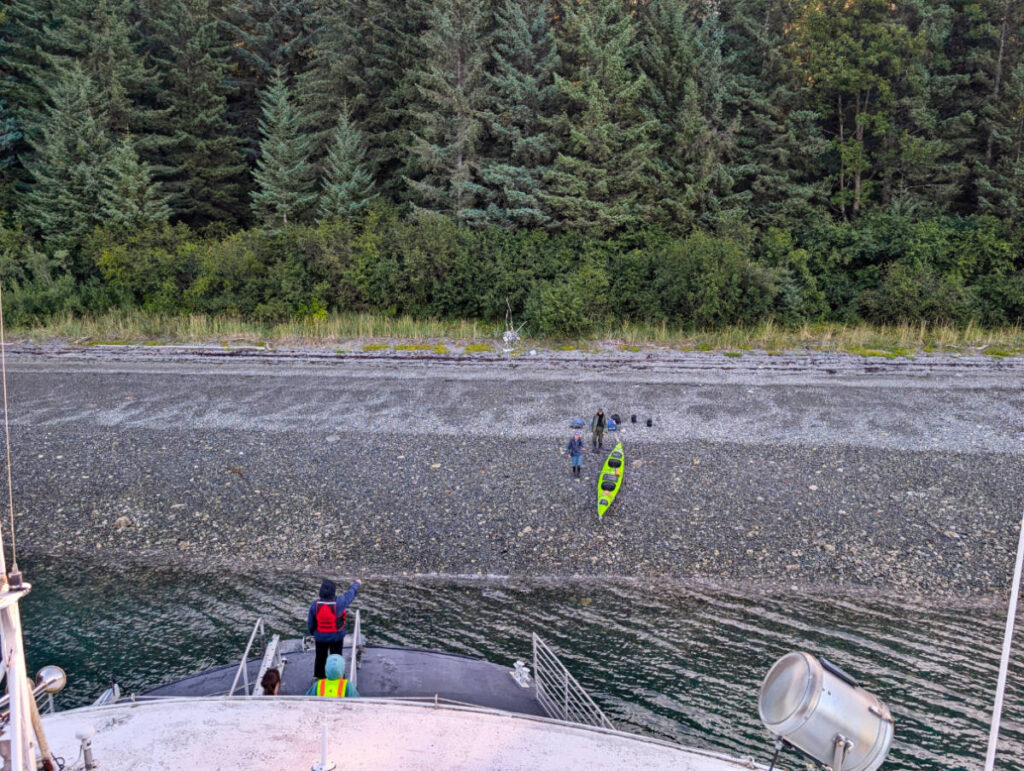
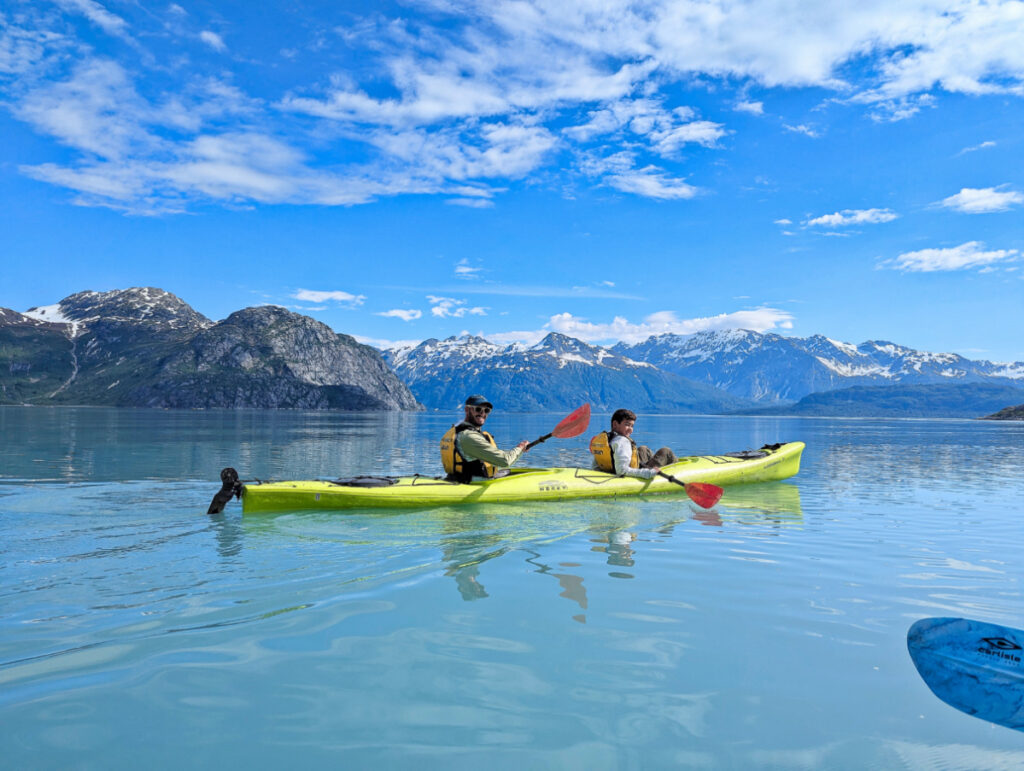
Three NPS-authorized operators offer guided kayak trips inside the park, including overnight backcountry experiences. Glacier Bay Sea Kayaks handles rentals for half-day, full-day, and multi-day trips. Alaska Mountain Guides and Spirit Walker Expeditions offer guided overnight kayak routes into the wilderness. This is the most immersive option available to independent travelers, and also the most physically demanding. Some flat-water paddling experience is strongly recommended before committing to an overnight route in these conditions. I’m not gonna lie, this is a very intense and amazing option.
Small-ship cruises: the most complete way to experience the park
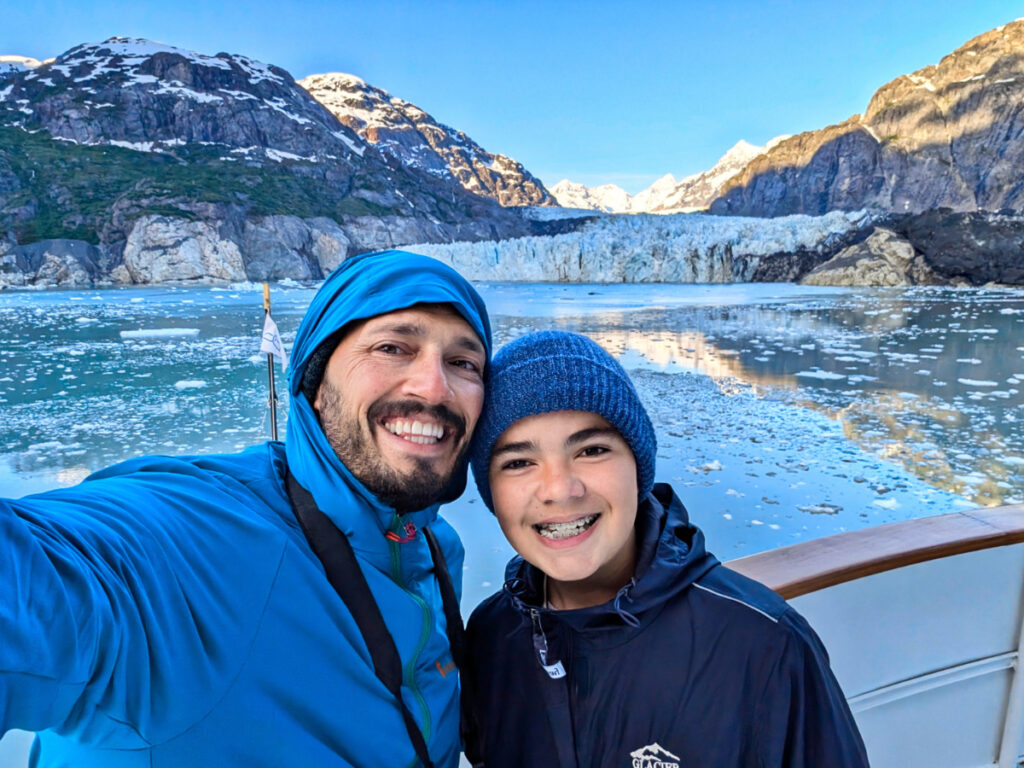
For travelers who want to spend multiple days inside Glacier Bay rather than passing through it, a small-ship expedition cruise offers the most depth. UnCruise Adventures, a vetted partner for responsible Alaska travel recommended by My Alaska Trip, is one operator that anchors overnight in Glacier Bay and spends extended time inside the park. Their itineraries include glacier viewing, kayaking off the ship, guided hikes, skiff tours, and wildlife encounters in waters most large cruise ships never reach. Alaska itineraries with UnCruise start around $4,000 to $6,500 for 7 to 8 days. For eco-conscious first-timers who want more than a scenic pass-through, this format is worth serious consideration.
Check out UnCruise Adventures — When booking with UnCruise, mention our code (online or via phone) TWODADS500 to receive $500 discount towards your passage.
Where to Stay at Glacier Bay National Park
Accommodation options inside and near the park are limited by design, and that limitation protects the experience for everyone. Understanding what’s available prevents last-minute scrambles and helps you build a realistic budget from the start.
Glacier Bay Lodge: the only hotel inside the park
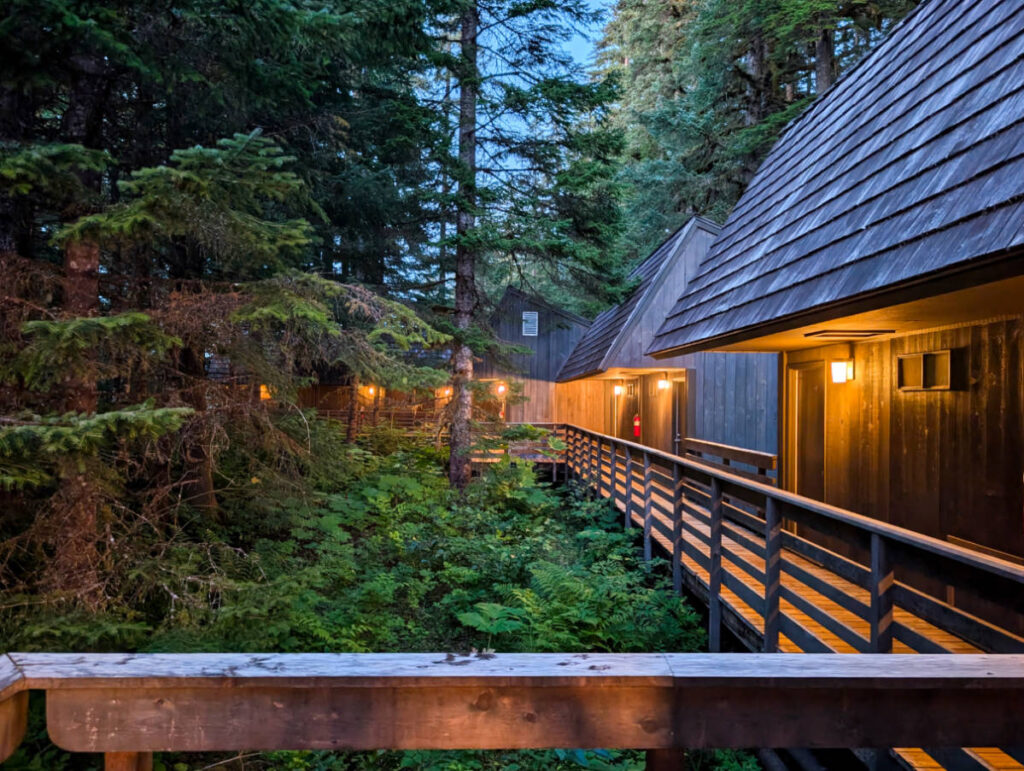
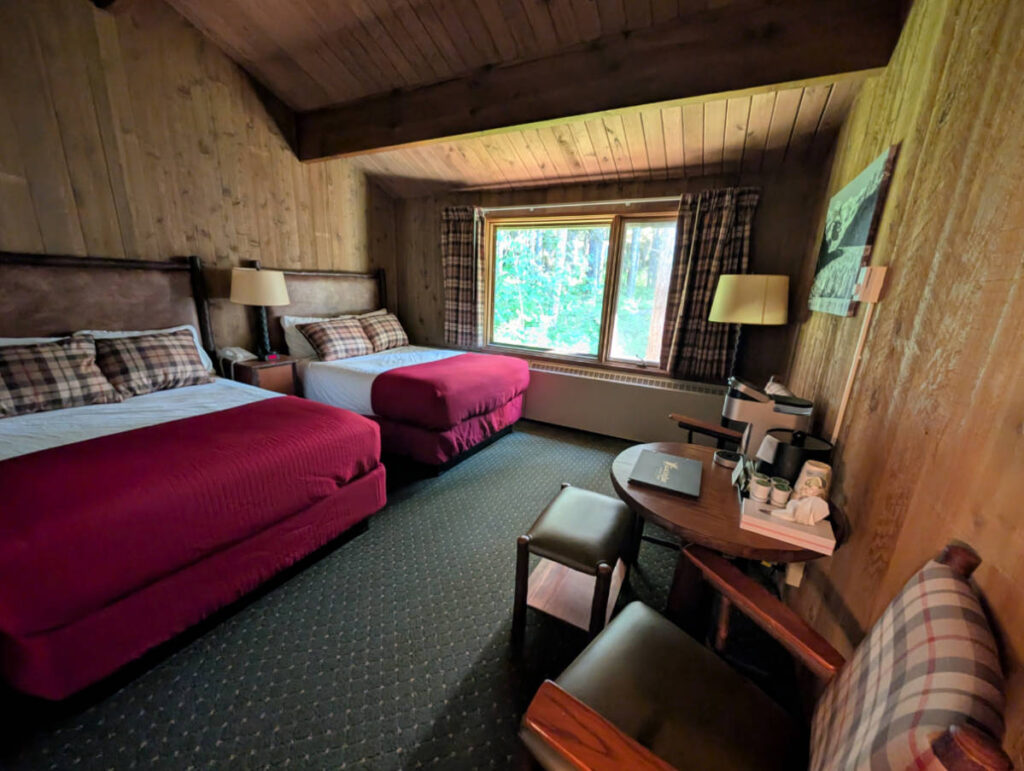
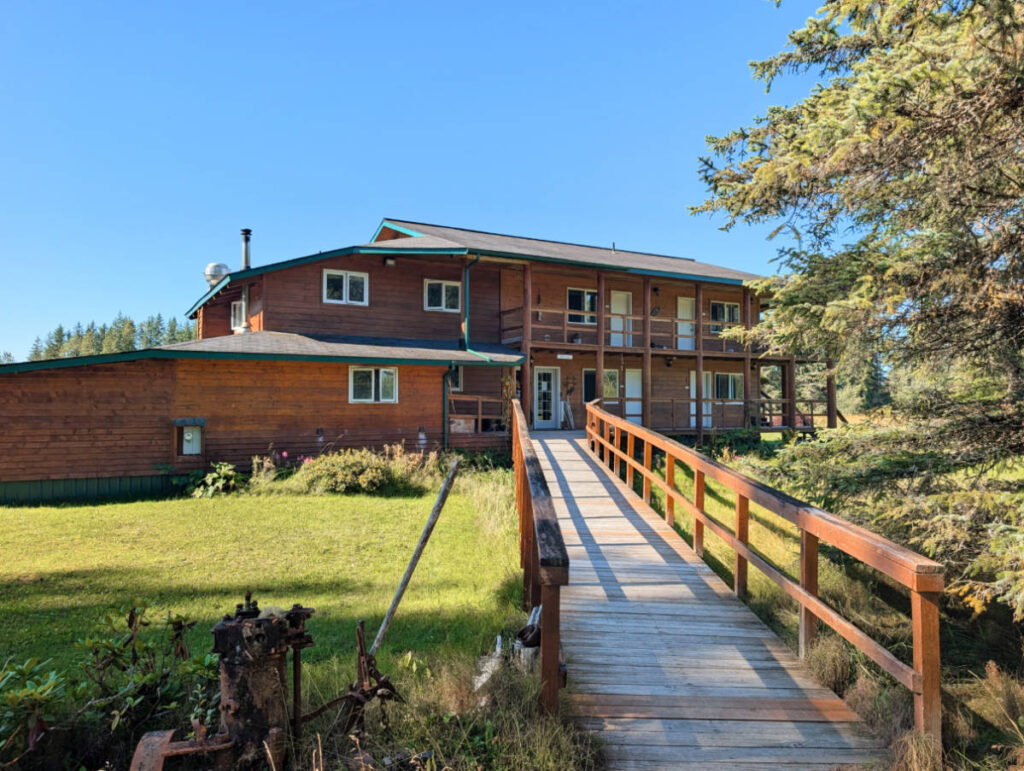
Glacier Bay Lodge at Bartlett Cove is the park’s only hotel, with 56 rooms that book up quickly for peak season. Standard rooms run approximately $277 to $325 per night, with rates on some booking channels reaching higher depending on dates. The lodge has a restaurant, gift shop, and direct access to the day tour boat. The lobby is great, and this is also where the Glaicer Bay National Park visitor center is located. It operates seasonally from roughly May 21 through September 8. Book as early as possible for July dates, which routinely sell out months in advance.
Book the Glacier Bay Lodge here!
Bartlett Cove Campground: the low-cost alternative
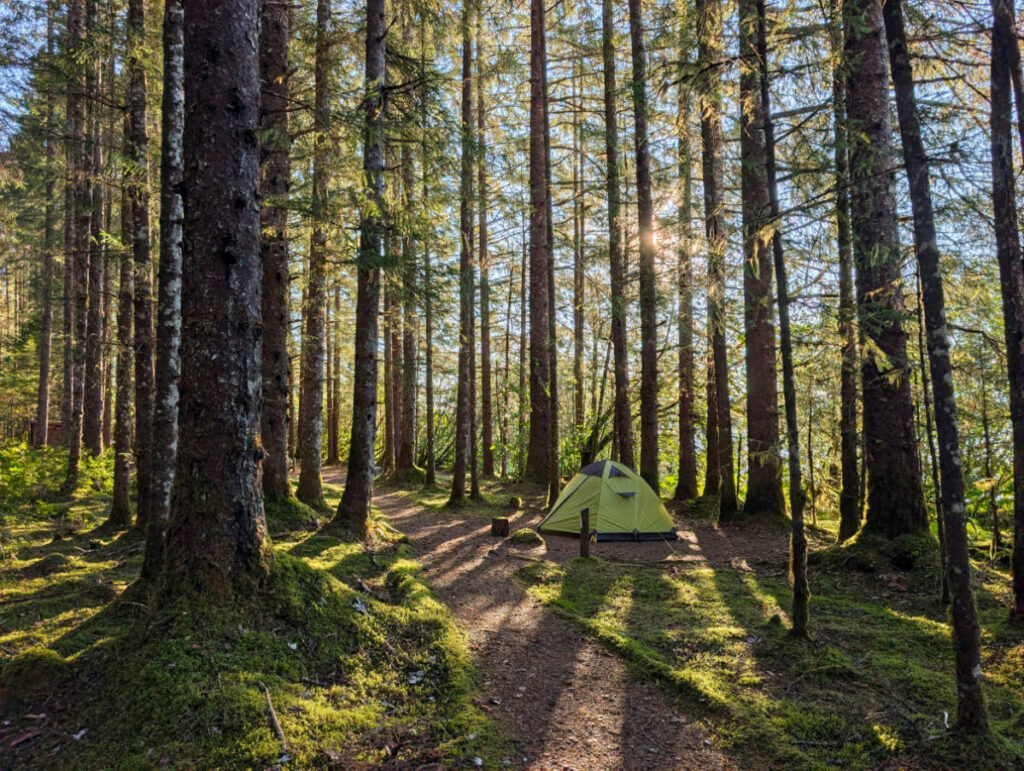
The park maintains a walk-in tent campground at Bartlett Cove, with a maximum stay of 14 days. A free camping permit is required and obtained at the Visitor Information Station. It’s a no-frills option that puts you right inside the park, but it does have a water station, food storage and restroom facilities within the campground. Come prepared for rain, cold, and wildlife at any point, this is Southeast Alaska, and the weather doesn’t reward optimistic packing. For reals.
Staying in Gustavus near the Park
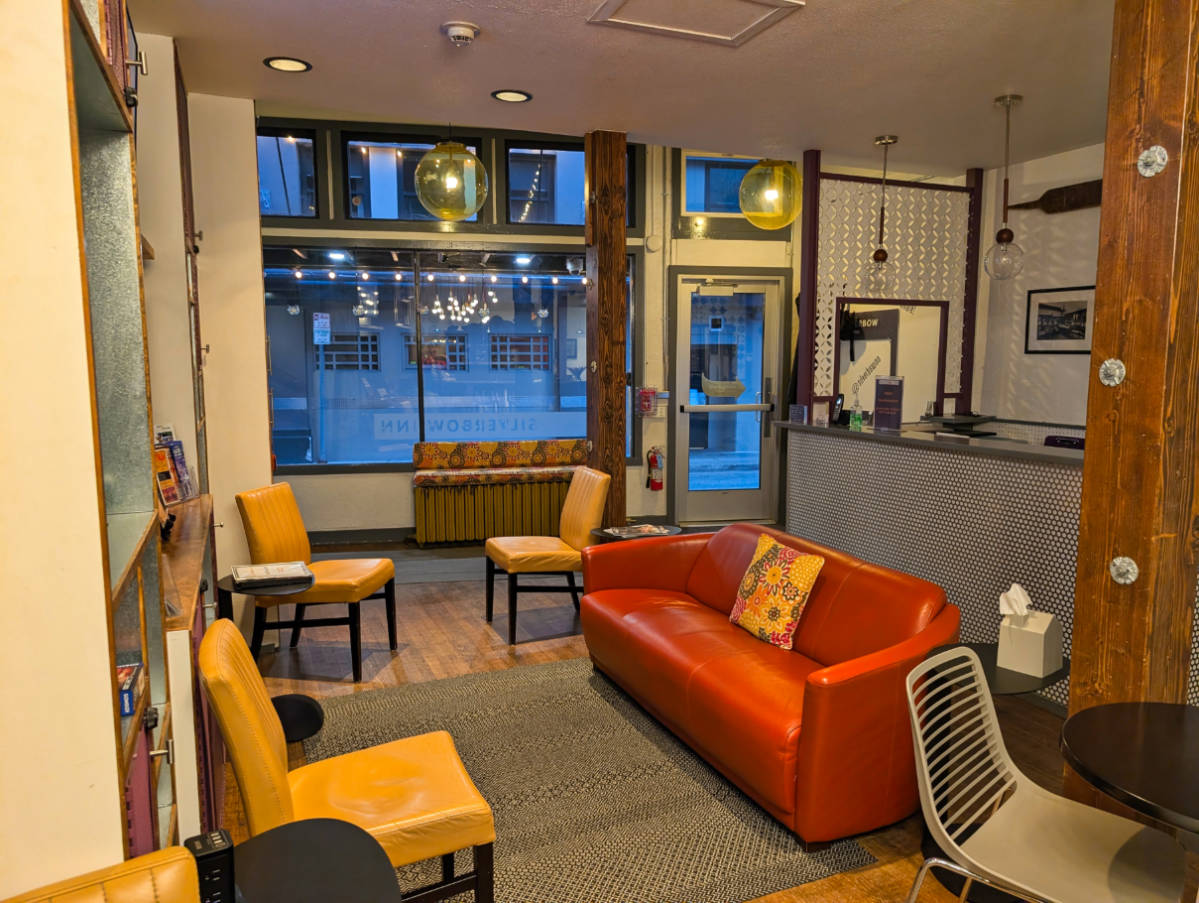
Independent lodges and B&Bs in Gustavus offer a more comfortable alternative to the campground without the full lodge price. I loved staying at the Annie May Lodge very near the park entrance. The town sits just under 10 miles from Bartlett Cove, and ground transportation is available via TLC Taxi or you can drive yourself if you came in on the Alaska Marine Highway or rented a car. If Glacier Bay Lodge is sold out when you search, Gustavus accommodations are the right next move. Services in town are sparse, so confirm what’s included with your lodging before you arrive and don’t count on a well-stocked grocery store. Here are ALL of the options for staying in Gustavus:
- Annie May Lodge – near the park entrance
- Bear Track Inn – east of the airport
- Glacier Bay Country Inn – near the park entrance, all inclusive
- Wild Alaska Inn at Glacier Bay – closest to the park
- Blue Heron B&B – near the airport and ferry
- Alaskan Anglers Inn – near the airport and ferry, is an all-inclusive fishing lodge
What to pack for Glacier Bay conditions
Southeast Alaska weather means that preparation is important and optimism won’t get you very far. Being underprepared makes even a great trip uncomfortable. This isn’t generic packing advice, but is specific to what conditions in Glacier Bay National Park actually demand, particularly if you’re hiking or fishing in the Bartlett Cove area.
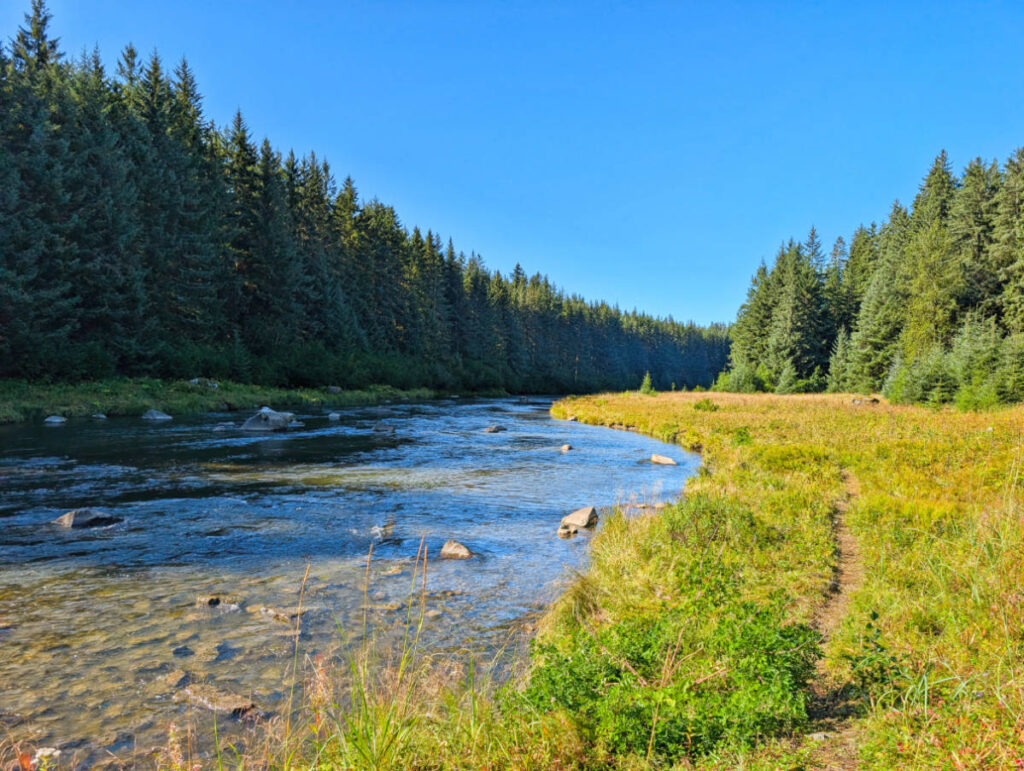
Average summer highs top out in the low 60s on good days, but wind on the water drops the feels-like temperature significantly, and rain can arrive without warning at any time of year. A waterproof shell, mid-layer fleece, and moisture-wicking base layers are all non-negotiable. Cotton is the wrong choice in this climate (remember, “cotton kills” for cold and wet). Waterproof boots make a genuine difference on a boat deck, in a kayak, and on any shoreline landing. Also, if you’re hiking from Bartlett Cove, the river and lake trails get SOGGY like you wouldn’t believe. Pack for rain as the default, and treat sunshine as the bonus.
Boat tour passengers should bring a camera with optical zoom and/or binoculars (some are provided onboard though). Sun protection matters for exposed time on deck, and motion sickness medication is worth packing if open water is a factor, even though this is one of the smoothest boat tours I’ve ever done.
Safety Considerations in Glacier Bay NP
On the water, maintain safe distances from marine mammals and follow crew or guide instructions at all times. In the backcountry, make noise while moving and store food properly. The mandatory orientation sessions cover wildlife protocols in detail, but arriving already informed makes those sessions more useful and your decisions in the field more confident.
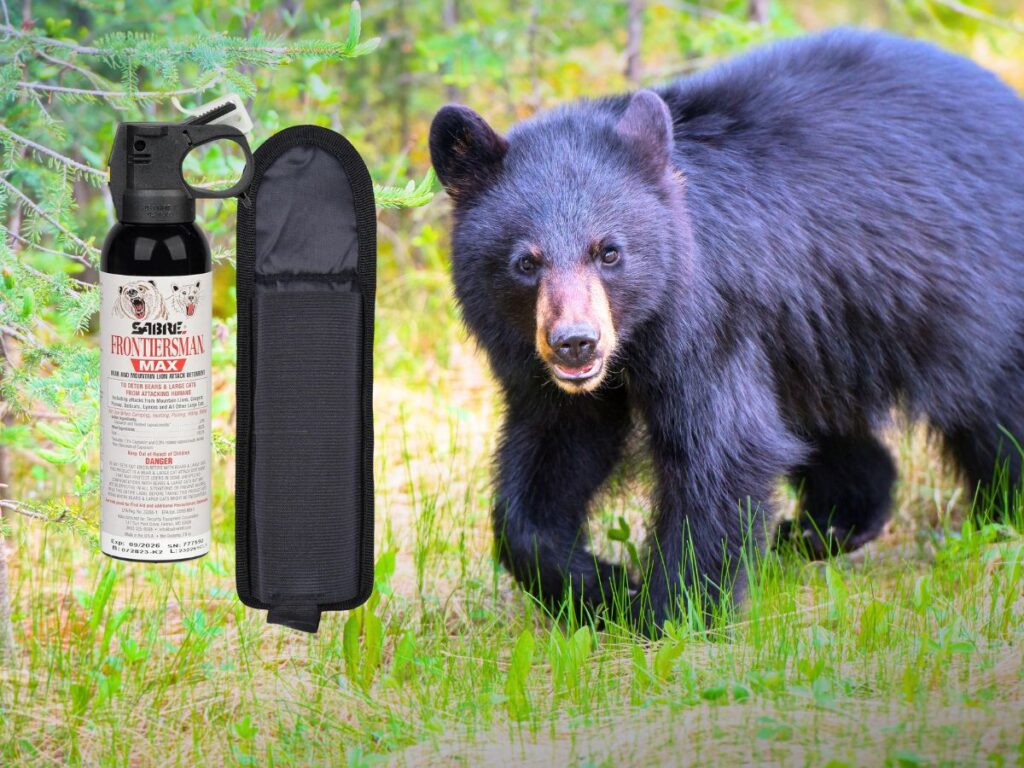
Kayakers need a dry bag system for everything that can’t get wet. Anyone doing overnight backcountry trips must carry bear-resistant food canisters, as required by park regulation. All food, scented toiletries, and garbage must be stored in approved canisters. Store kayaks and canisters well above the high-tide line; tidal swings here can exceed 20 feet and you don’t want to get washed up or lose your kayak. You’ll also want bear spray for any hiking or camping. There are both black bears and coastal brown bears in Glacier Bay National Park so you should familiarize yourself with bear safety precautions.
Glacier Bay NP First-timer Itineraries
You can make it a short visit or be here for a few days, but whatever you choose you’ll need to have a good plan. Unfortunately Glacier Bay National Park isn’t one that you can just show up at and see what you might want to do or where you might stay. You need to know all of this before you arrive.
The one-day visitor: fly in, cruise, fly out
Fly from Juneau to Gustavus in the early morning (I prefer the Alaska Seaplanes 5 o’clock hour flight, 20 minutes in the air), take the shuttle to Bartlett Cove, board the day cruise, return to the lodge for dinner, and fly back to Juneau that night or the following morning. This itinerary covers the core glacier-viewing experience without requiring overnight backcountry preparation or extended travel. It doesn’t leave room for kayaking or extended wildlife viewing and hiking, but for someone working within a tight Alaska Inside Passage schedule, it’s a legitimate and worthwhile option.
The three-day explorer: lodge, kayak, and slow down
Fly into Gustavus, spend three nights at Glacier Bay Lodge or another inn, take the day cruise on day one, do a half-day guided kayak on day two, and use day three for a hike from Bartlett Cove before a return flight. This itinerary balances accessibility with depth and you can experience both the land and the water. It’s the right call for travelers who want more than a pass-through visit without committing to a full expedition. Three days allows the pace to slow enough that the place actually registers.
Multi-day expedition approach
Book a 7 to 8 day small-ship cruise through an operator like UnCruise Adventures. You spend a day inside the park and the rest in very similar areas, sleep on the vessel, kayak in remote inlets, and access areas that day-trip visitors never reach. The cost is higher, but the depth of experience is proportionally greater. For first-timers who know they want Alaska to be more than a scenic backdrop, this approach delivers what a single-day cruise simply cannot. Our family has gotten to do a few UnCruise sailings and they really are amazing.
You can also be a part of a multi-day kayaking expedition with a guide (or independently) where you’ll be dropped in a remote part of Glacier Bay NP and then camp and kayak each day. This is for the hardcore folks.
FAQ for visiting Glacier Bay National Park
I think we’ve answered all of the questions you might have, but just in case, here are some quick hits to make sure you have all the information you need to plan a trip to Glacier Bay National Park.
Do I need a permit to visit Glacier Bay National Park?
There is no entrance fee or general visitor permit required. However, overnight backcountry camping requires a free permit obtained at the Visitor Information Station at Bartlett Cove, and private boaters need a separate vessel permit, limited to 25 per day, with some reservable in advance and others available through a daily lottery.
What does the Glacier Bay day cruise include?
The Glacier Bay Lodge day cruise is an 8-hour catamaran trip that departs from Bartlett Cove, travels deep into the bay for glacier and wildlife viewing, includes lunch and snacks, and has a National Park Ranger and mobile visitor center on board. Adult tickets run approximately $265 to $275 per person. Note that the boat tour departs from Bartlett Cove, not Juneau, plan for the flight to Gustavus and ground transfer as separate costs.
Can I drive to Glacier Bay?
No. There is no road access to Glacier Bay National Park from the mainland. Visitors arrive by small plane (typically via Juneau), Alaska Marine Highway (drive on, bike or walk on), cruise ship, or private vessel. Flying into Gustavus is the most common route for independent travelers, but if you do have a car with you in Southeast Alaska and drive it onto the ferry, you can drive to Bartlett Cove.
How far in advance should I book?
For July visits, book lodge accommodations and the day cruise as early as possible, ideally six months or more in advance. June and August have slightly more availability but still fill quickly. Private boater permits can be reserved up to 60 days ahead, and backcountry kayak guide trips book out weeks to months in advance for peak season. September visits have limited activity options, but there is usually more availability for the different lodges with shorter planning windows.
Should You Visit Glacier Bay National Park?
Yes! Don’t let its remote location and weird logistics deter you. Visiting Glacier Bay National Park requires more planning than almost any other park in the country. The absence of road access, the limited lodging, and the weather all demand more from you before you even set foot in the park, but that effort is the filter that keeps Glacier Bay extraordinary, and it’s worth every step of the process.
The key decisions become straightforward once you frame them clearly: go in June or early July for the best combination of weather and glacier-viewing conditions; fly to Gustavus, do the ferry or book a small-ship cruise for access; decide whether you want a day trip, a lodge stay, or a full expedition before you book anything else. Each option is valid. Each delivers something completely different.
I hope you’re excited to plan a trip to Glacier Bay National Park. I love it and will happily return over and over if given the chance. If you need help planning, remember that we are certified travel advisors (travel agents) and can work with you to build out an awesome and unforgettable adventure. If you have any questions, please leave a comment or send us a note. We’re always happy to share more and help you plan a great Alaska trip!