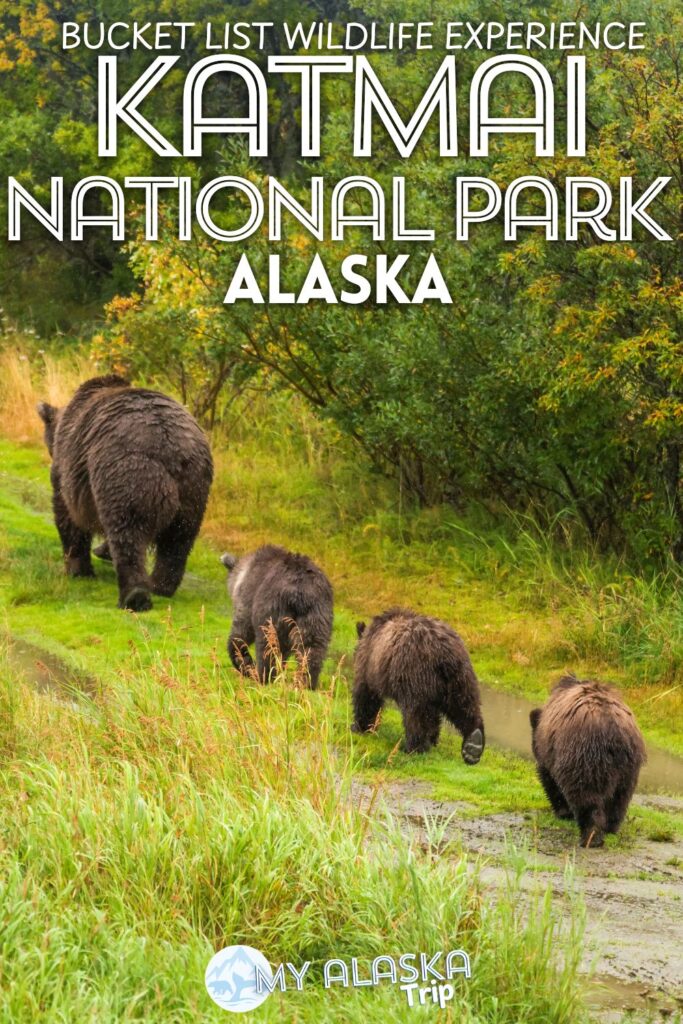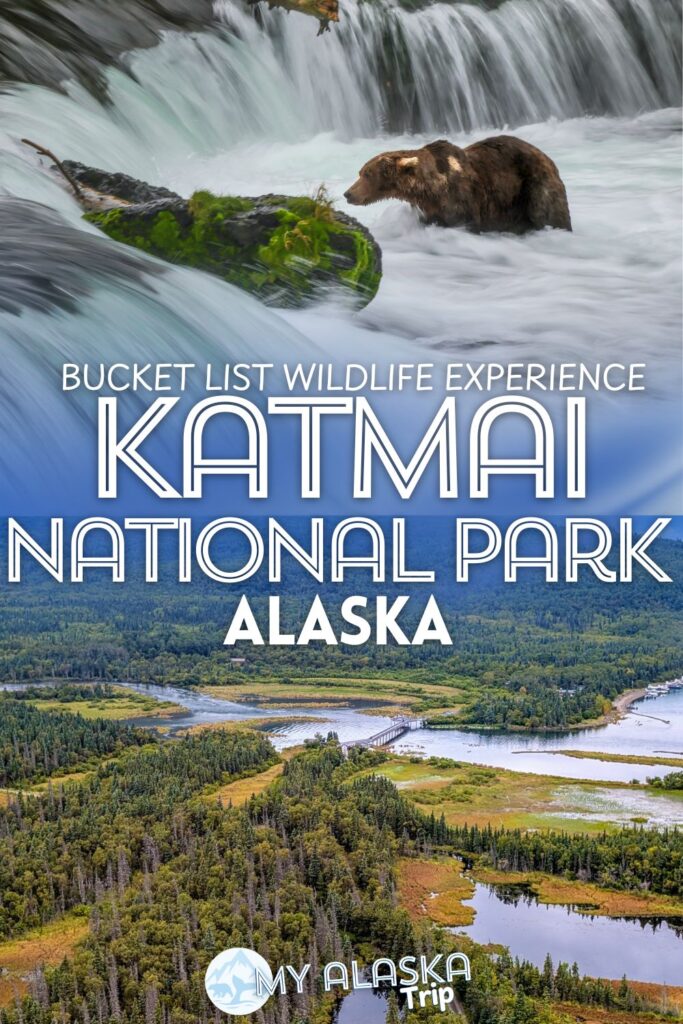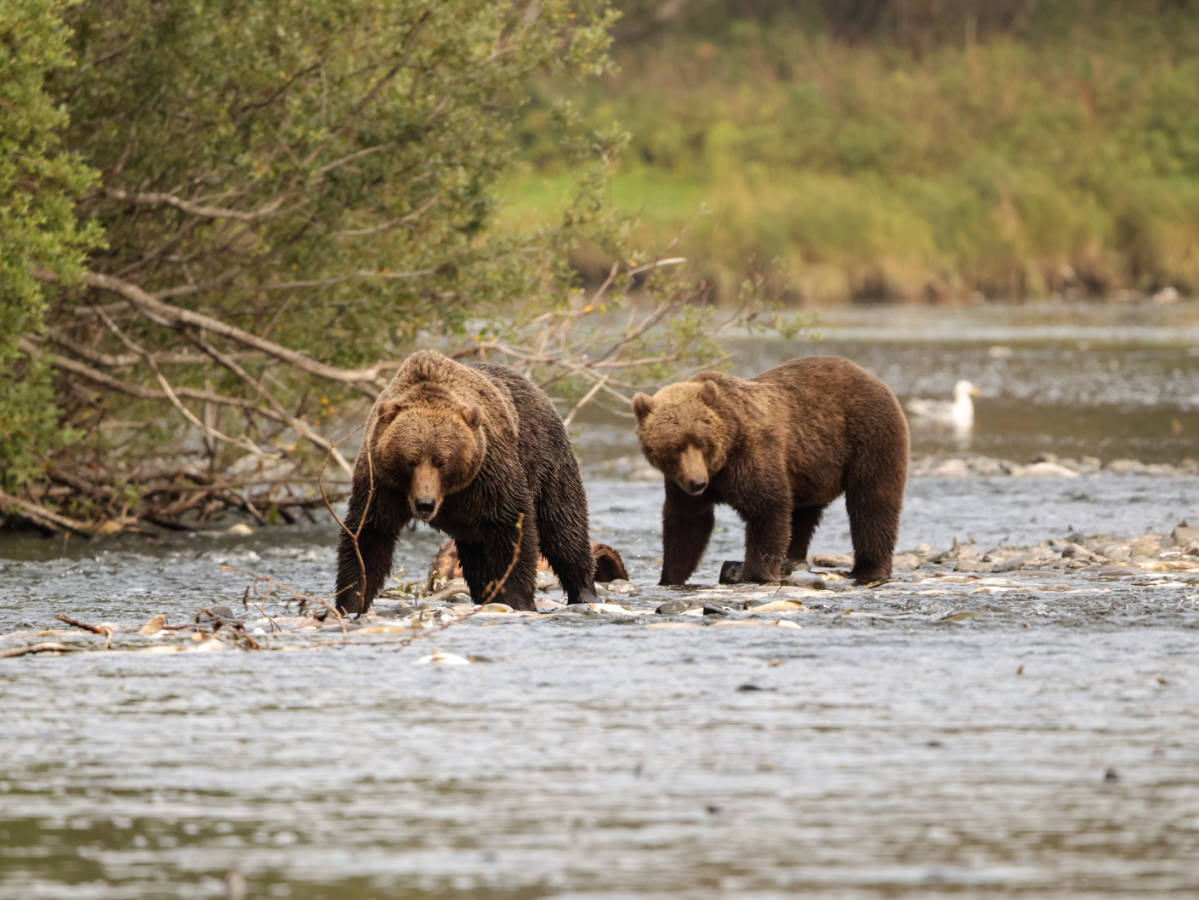
Katmai National Park and Preserve is amazing; it’s one of my favorite places on earth. Picture this: you’re standing on a boardwalk, the crisp Alaskan air filling your lungs, when suddenly a massive brown bear launches itself into a waterfall, salmon flying through the air like tiny silver missiles. This is Katmai National Park, and frankly, it might just be the most awe-inspiring wildlife experience you can have anywhere in the United States. If Katmai hasn’t crossed your radar yet, let me paint you a vivid picture. It’s countless brown bears congregating at riverbanks and waterfalls during salmon season, competing in an annual “Fat Bear Week” that’s gained internet fame for good reason, and exploring a remote Alaskan landscape that looks like it belongs in a prehistoric world. It’s gorgeous and the best bear viewing in Alaska.
This isn’t your typical national park experience where you hop in a car and cruise through scenic overlooks. No, getting to Katmai requires serious determination, careful planning, and yes, a healthy wallet. But trust me when I say that the investment pays dividends in memories and natural wonder. I’ve crisscrossed Alaska, visiting six of the state’s eight national parks, and I can confidently tell you: Katmai stands in a category all by itself. It’s raw, unfiltered nature at its finest. Whether you’re a seasoned Alaskan or someone checking off bucket list items, this guide will equip you with everything you need to make your Katmai dreams a reality. And as always, if you have any questions or need some additional help, please leave a comment or send us a note. We’re happy to share more and make a trip like this happen for you!
What Makes Katmai So Special?
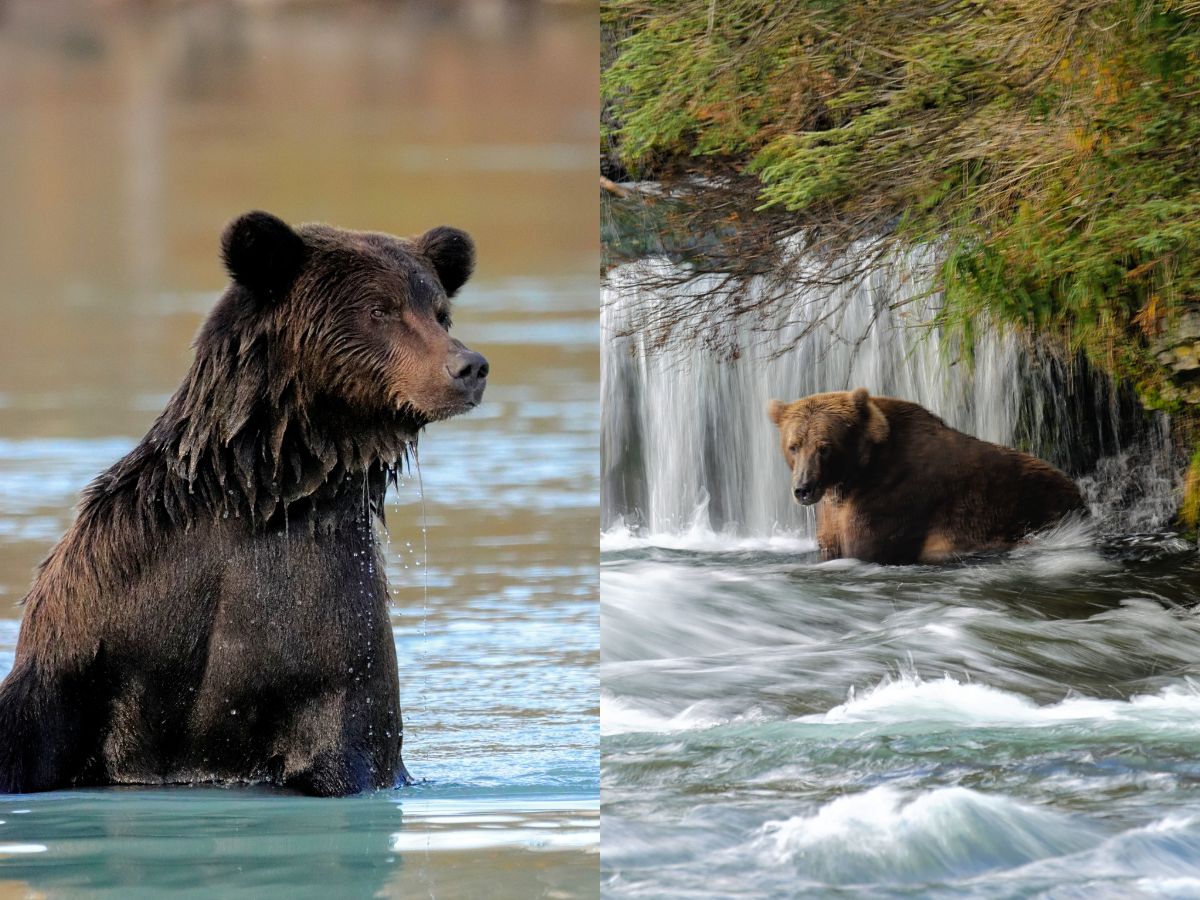
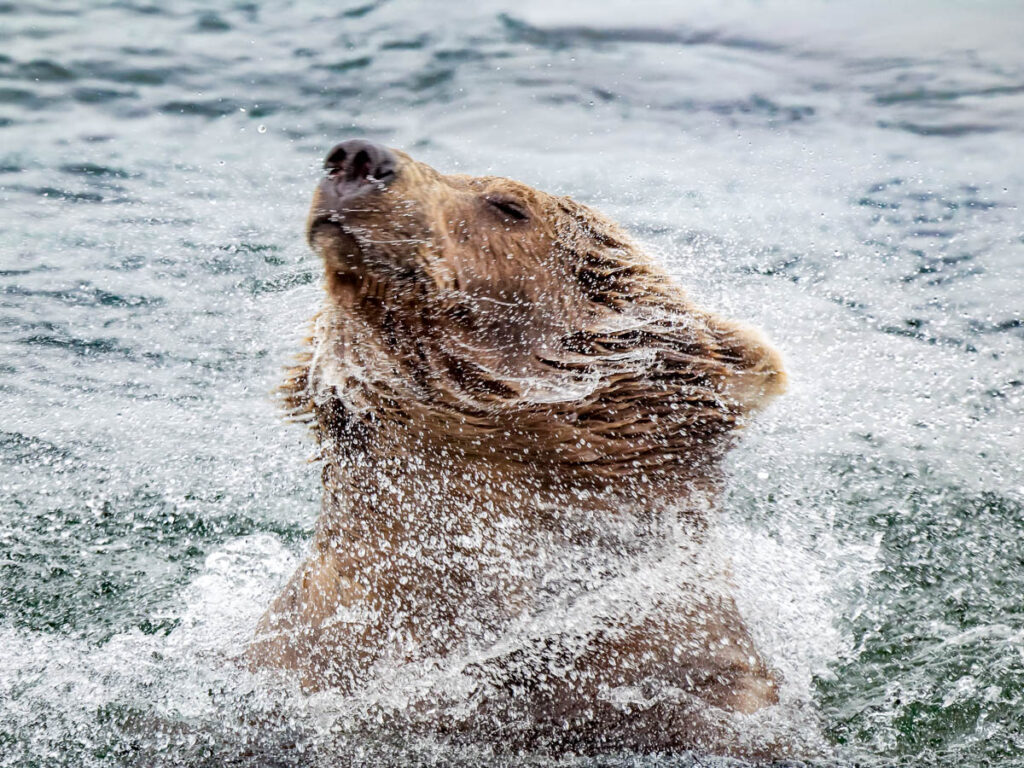
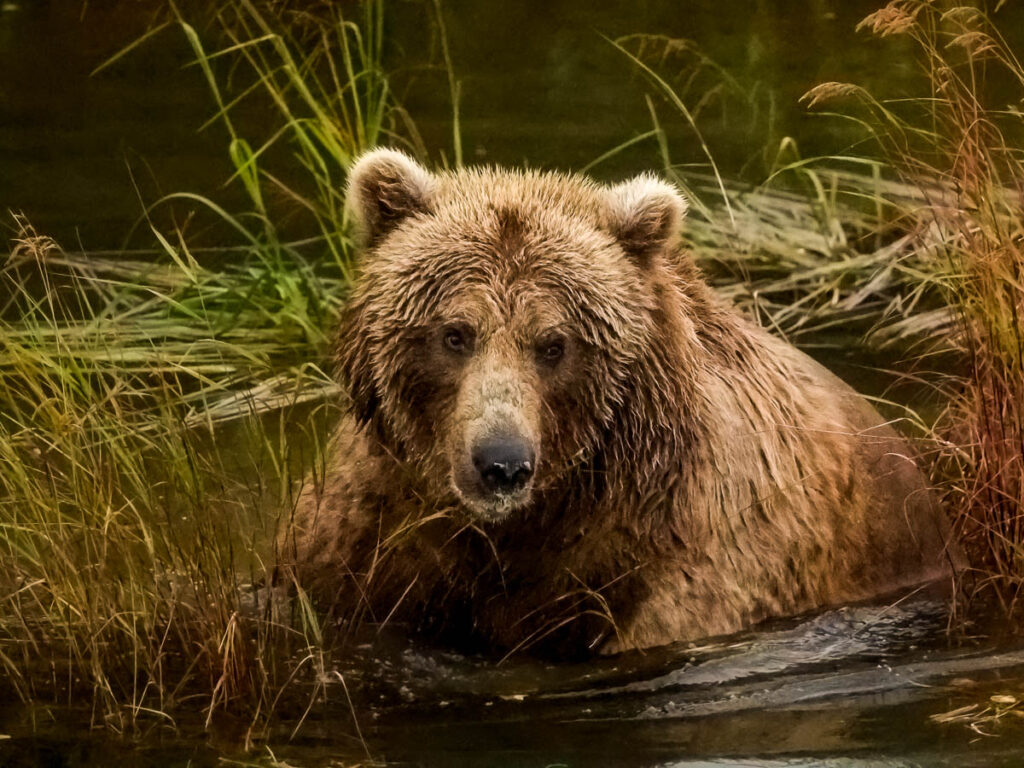
Before we dive into the nitty-gritty logistics, let me explain why this place has captured the hearts of so many adventurers, wildlife enthusiasts, and nature photographers worldwide. Katmai National Park represents something increasingly rare in our modern world: true wilderness, untouched and untamed. The park has earned its legendary status for several compelling reasons. First, there’s the undeniable star of the show: brown bears catching salmon mid-air at Brooks Falls. It’s not just a wildlife viewing opportunity; it’s a front-row seat to one of nature’s displays. The park is home to one of the world’s largest protected populations of brown bears, making it a haven for researchers, photographers, and wildlife enthusiasts.
Beyond the bears, Katmai also has the Valley of Ten Thousand Smokes, a surreal landscape born from one of the twentieth century’s most catastrophic volcanic eruptions. The 1912 Novarupta eruption absolutely transformed this region, creating an otherworldly terrain of ash-covered peaks and glaciers that looks like another planet entirely. Then there’s the phenomenon known as “Fat Bear Week,” an annual celebration where the internet collectively votes on which bear has packed on the most weight before winter hibernation. Famous bears like 747, Chunk, and Otis have become celebrities in their own right, each with distinctive personalities and survival stories.
The Price Tag: Understanding the Investment
Let’s be honest, visiting Katmai isn’t cheap. This remote Alaskan paradise demands significant financial commitment. A single day trip via seaplane from Anchorage, Homer, or Kodiak will run you approximately $1,500 per person. Multi-night stays at Brooks Lodge? You’re looking at $1,300 to $3,000 per person, plus additional transportation and meals.
This is precisely why most people plan their Katmai adventure at least eighteen months in advance. This isn’t spontaneous travel; this is a carefully orchestrated expedition that requires saving, dreaming, and strategic planning.
Many visitors build their entire Alaska itineraries around their Katmai dates, incorporating time in Homer, Kodiak, or Anchorage to maximize their Alaskan adventure. Yes, the price is steep, but you’re not paying for crowds and commercial tourism infrastructure, you’re paying for pristine wilderness, world-class wildlife viewing, and an experience that transforms how you see nature itself. When I left Katmai NP I felt different on the inside, like I’d been rewired. It’s such a transformative experience.
Geography and Getting to Katmai National Park and Preserve
The remoteness is what makes Katmai National Park and Preserve so special. It’s not a place you can drive to or end up. Getting to this part of Southwest Alaska takes planning, time and money. It’s far from any ferry routes, regular airports or roads.
Where Exactly Is Katmai?
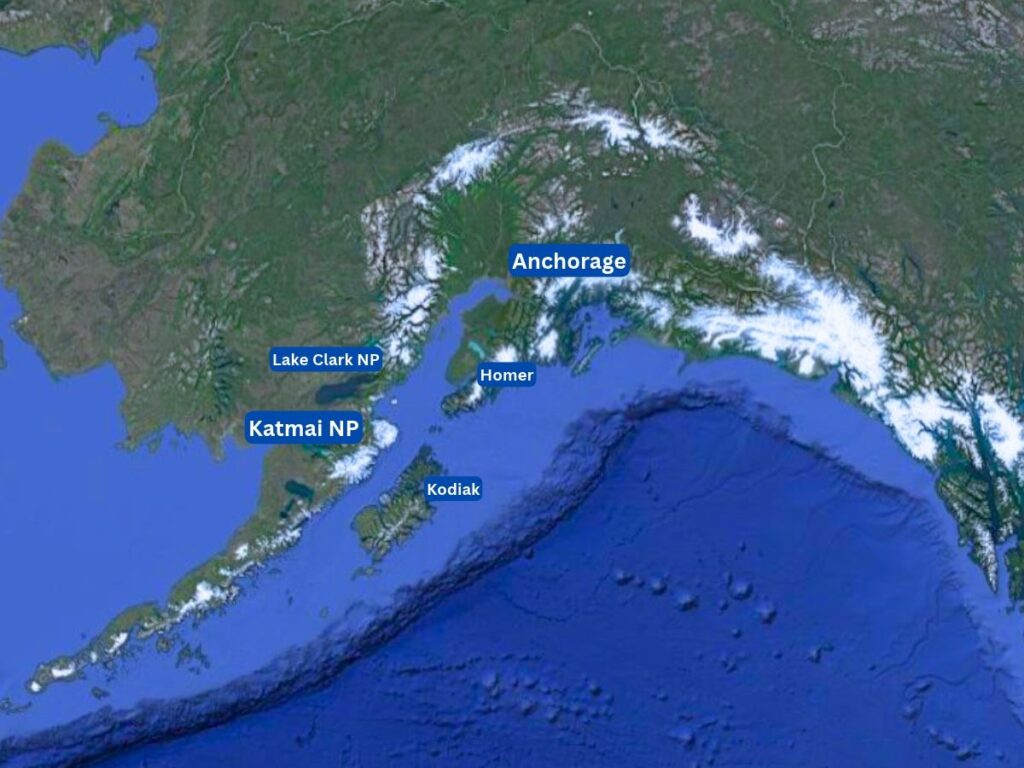
When you examine an Alaska map, you’ll spot Anchorage tucked along the southern coast in the heartland region known as southcentral Alaska. From there, trace a line northward along the Cook Inlet’s edge, and then venture southward down the Alaska Peninsula. You’ll spot Lake Clark National Park first, and immediately beyond it lies Katmai National Park and Preserve.
Here’s the crucial detail that defines the Katmai experience: look as hard as you want, but you won’t find a single road leading into the park. No ferry routes connect it to civilization. No highways cut through its boundaries. This geographic isolation is simultaneously the park’s biggest challenge and its greatest blessing. It’s this very remoteness that preserves the park’s ecological integrity and keeps its wildlife populations healthy and thriving.
Kodiak Island sits relatively close on the map, suggesting easy access but don’t be fooled. Despite the proximity, no boat service connects Kodiak to Katmai. The wilderness keeps even these nearby communities separated. A Notable exception to this is that there is one tour company that operates boat expeditions to Katmai’s coastal regions departing from Anchor Point on the Kenai Peninsula near Homer. This coastal adventure doesn’t reach Brooks Falls, but it does provide access to the park’s dramatic shoreline and different ecosystems.
Transportation to Katmai NP
This is what is the kicker for a lot of people hoping to visit Katmai National Park. The transportation to get there is pretty costly, whether you’re planning a day trip from Anchorage to Katmai or if you want to spend several nights at Brooks Lodge. This is one of the similarities between Katmai and Lake Clark National Parks.
By Seaplane: the BEST Gateway
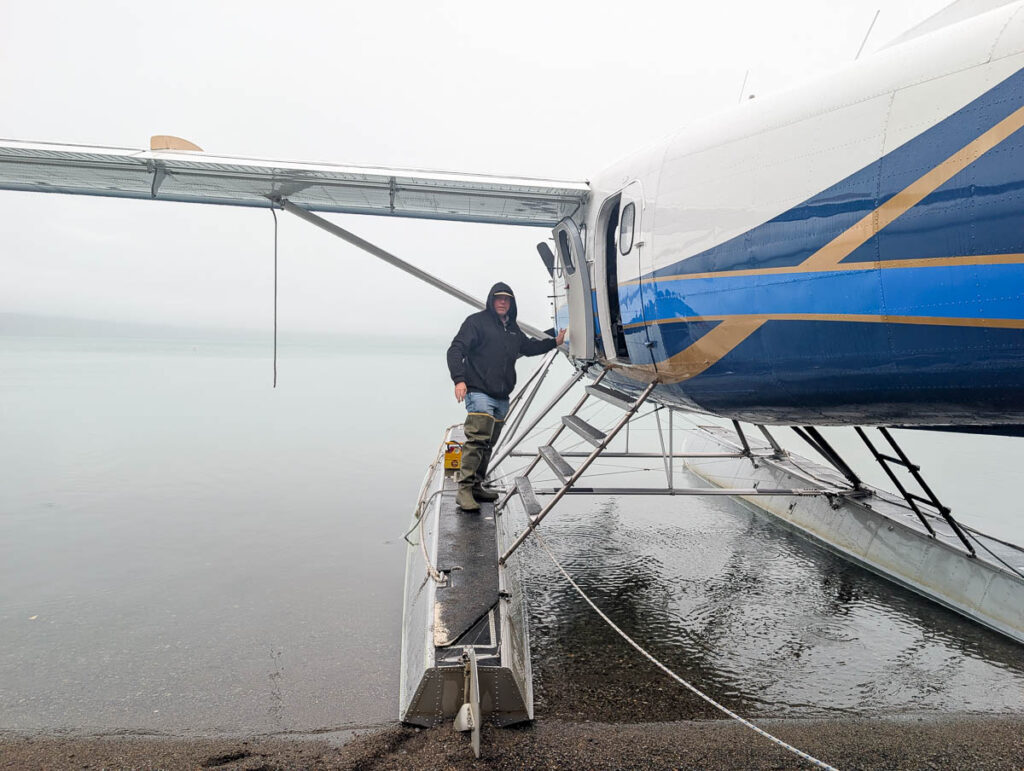
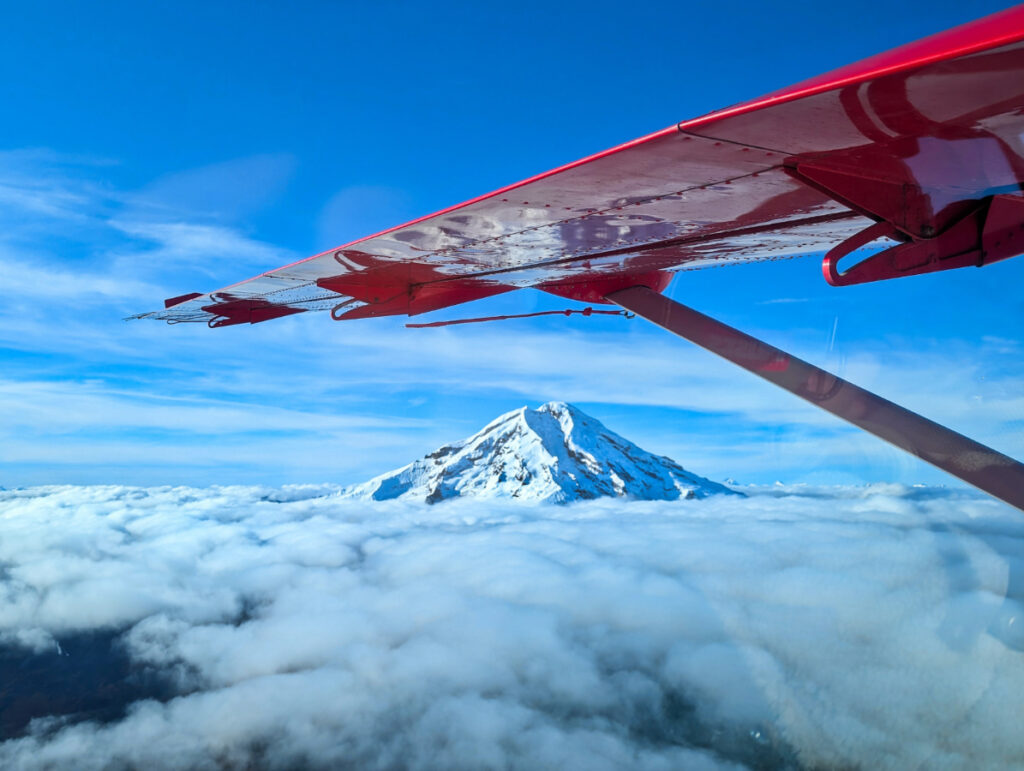
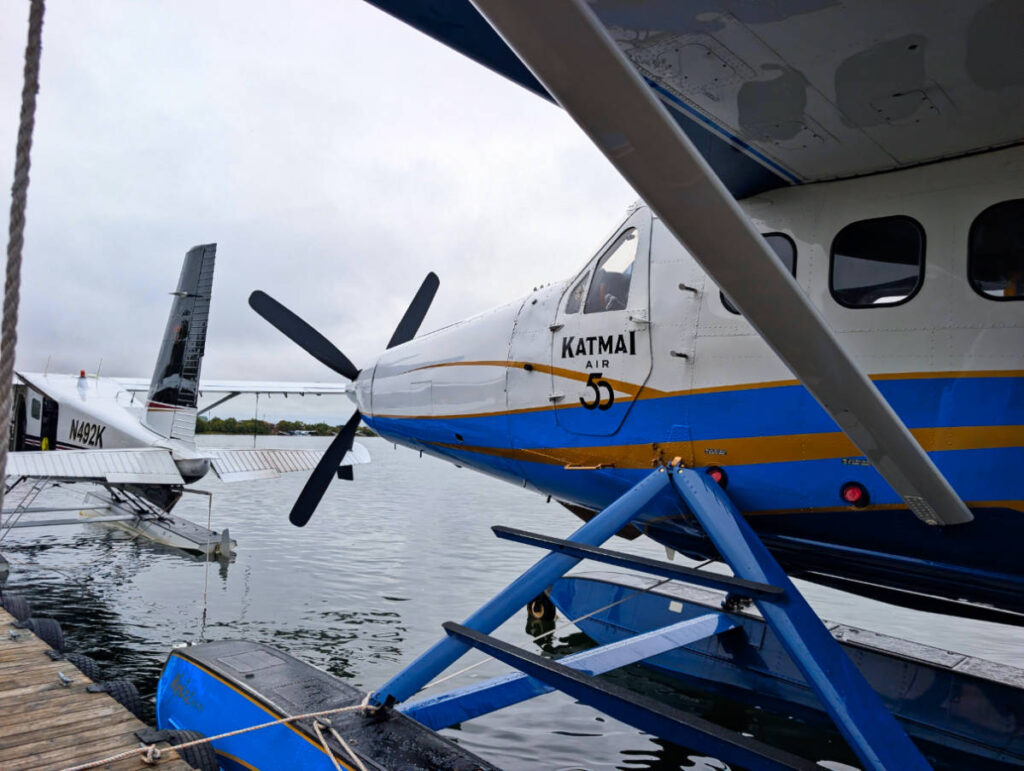
Getting to Katmai means embracing seaplane travel. This isn’t just logistics, but it’s part of the adventure and is how you actually can access Brooks Camp. Whether you’re arriving for a multi-day stay or a single-day expedition, floatplanes are your lifeline to this remote paradise. You can fly via seaplane from Anchorage, Kodiak or King Salmon, but for overnight stays, you’ll be coming from Anchorage or King Salmon. Unless you’re camping, these flights must be arranged through Bristol Adventures who manages Brooks Lodge. For camping, you can arrive via any permitted seaplane company, but in general Katmai Air or Rust’s Flying Service are the easiest options.
The Brooks Lodge Route: Overnight Experience
Most visitors heading to Brooks Lodge fly from Anchorage or King Salmon via Katmai Air, a specialized operator with deep expertise in this region. The smartest approach involves flying into King Salmon the day before your lodge reservation. I know that King Salmon isn’t exactly a vibrant tourism hub, but this strategic buffer day protects you from weather delays and flight cancellations. Alaskan Peninsula weather is notoriously unpredictable, changing rapidly and dramatically. We actually were delayed for several hours in King Salmon, but thankfully because we were already in town we had been moved to an earlier flight anyways, so being there a day early kept us on schedule.
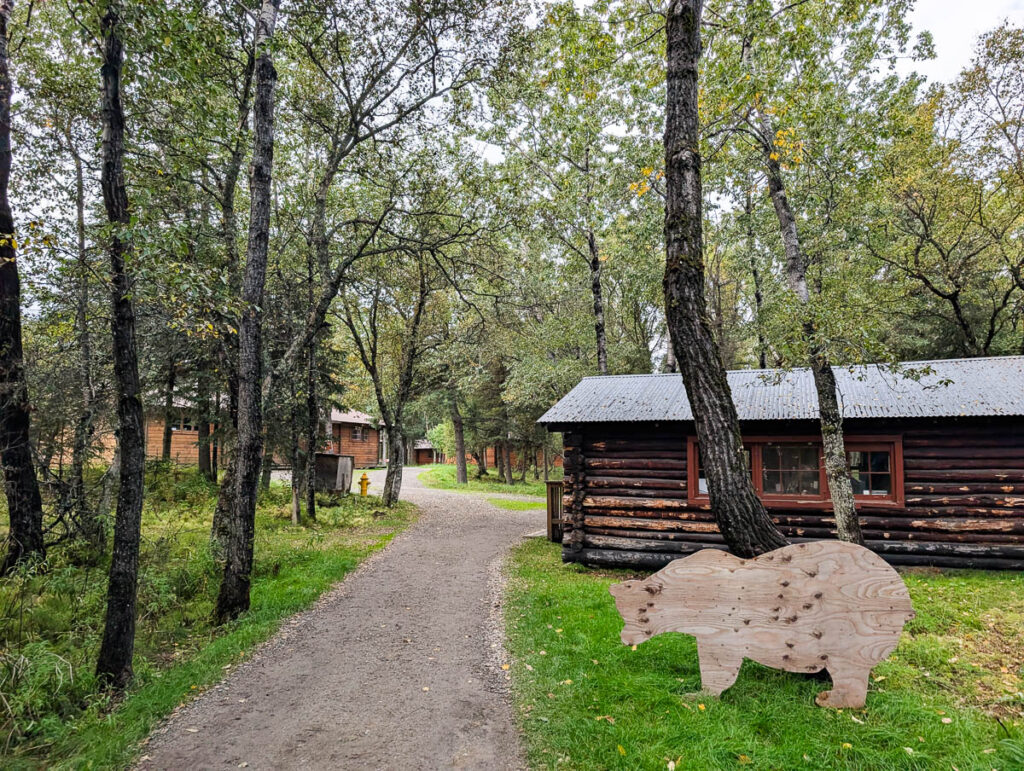
Brooks Lodge isn’t like a regular National Park lodge, but is specifically for people that want to experience Brooks Falls. This is a rustic cabin resort set on Naknek Lake at the end of the Brooks River. You’ll arrive via seaplane (Katmai Air), immediately go to bear school, then you are assigned your cabin. All cabins have four twin beds (bunk beds) and are within walking distance of the boardwalk to Brooks Falls, the restaurant and the small visitor center. You get to stay here if you were selected in the lottery two seasons before, so planning is done FAR in advance.
Day Trip Adventure to Katmai
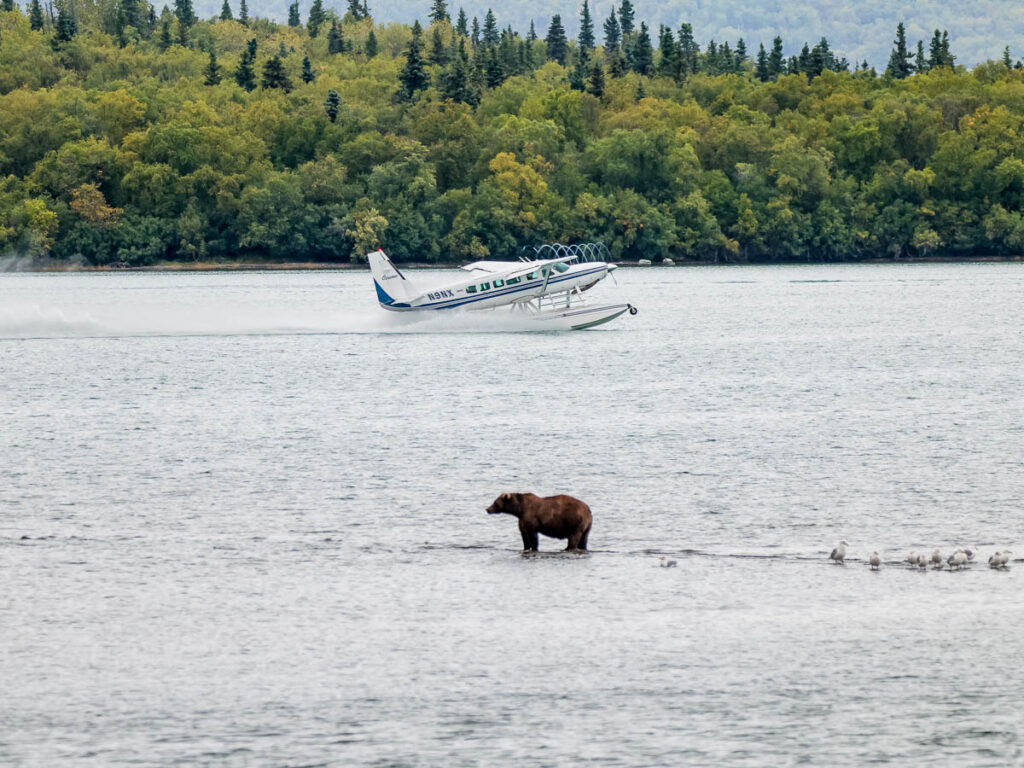
The most accessible option for many travelers involves embarking on all-day excursions from Anchorage, Homer, or Kodiak. These adventures launch from Lake Hood Floatplane Base (Anchorage), Beluga Lake Floatplane Base (Homer), or Near Island seaplane harbor (Kodiak). After a flight lasting just over an hour, you’ll find yourself at Brooks Camp (unless a different destination was chosen), where you’ll spend the day navigating the boardwalks and observation platforms, watching bears in their element, before returning to civilization that evening.
Here’s an exciting wrinkle: day-trippers have access to experiences that multi-day lodge visitors cannot easily enjoy. Geographic Harbor and Hallo Bay are alternative bear-viewing destinations accessible through specialized flightseeing tours, offering completely different perspectives on bear behavior and coastal ecosystems.
CHECK OUT RUST’S FLYING SERVICE – When booking online or over the phone, use code 2traveldads for a 10% discount on your passage!
The Water Taxi Option
If you’ve secured a Brooks Camp camping reservation, or you’re visiting King Salmon and want Brooks access without flying, the Katmai Water Taxi provides an alternative. This vessel navigates Naknek Lake and the rivers to reach Brooks Camp, taking approximately forty-five minutes. It’s a more budget-conscious option for those bringing camping gear.

Timing Your Adventure: When to Experience Katmai’s Magic
Technically, Katmai National Park welcomes visitors year-round. However, the practical reality is that Brooks Lodge and primary tour operations function only from May through September. Summer is absolutely peak season and simultaneously the most accessible and most competitive time to visit. Summer in Katmai National Park and Preserve is UNBELIEVABLE.
The Bear Season Phenomenon
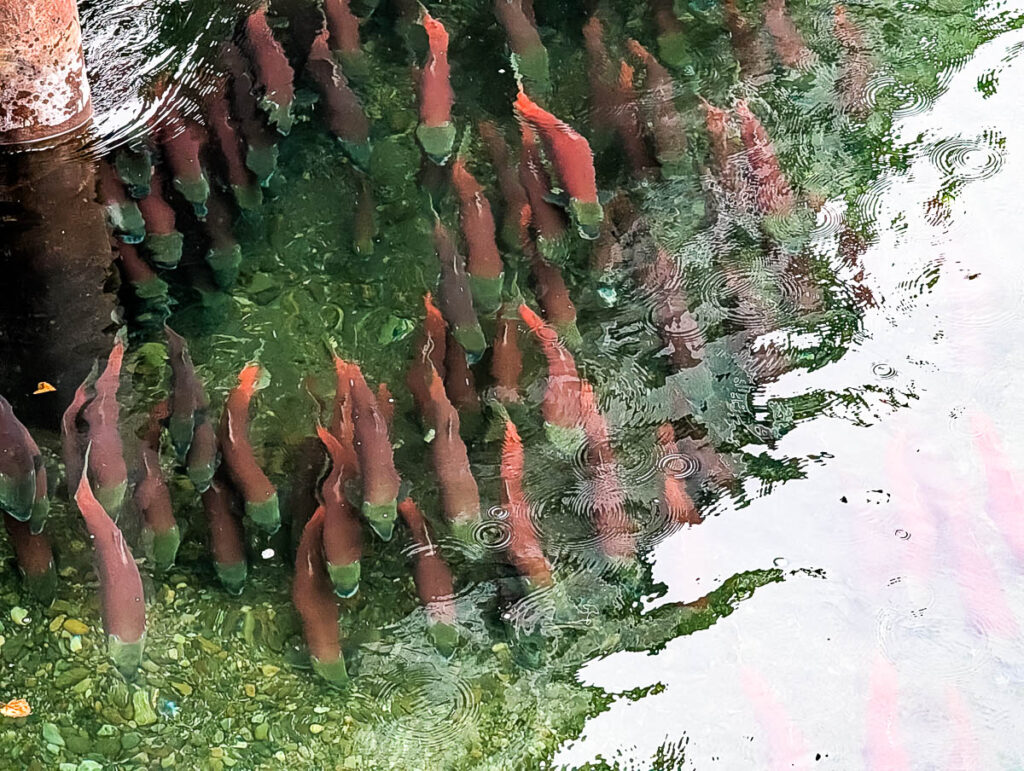
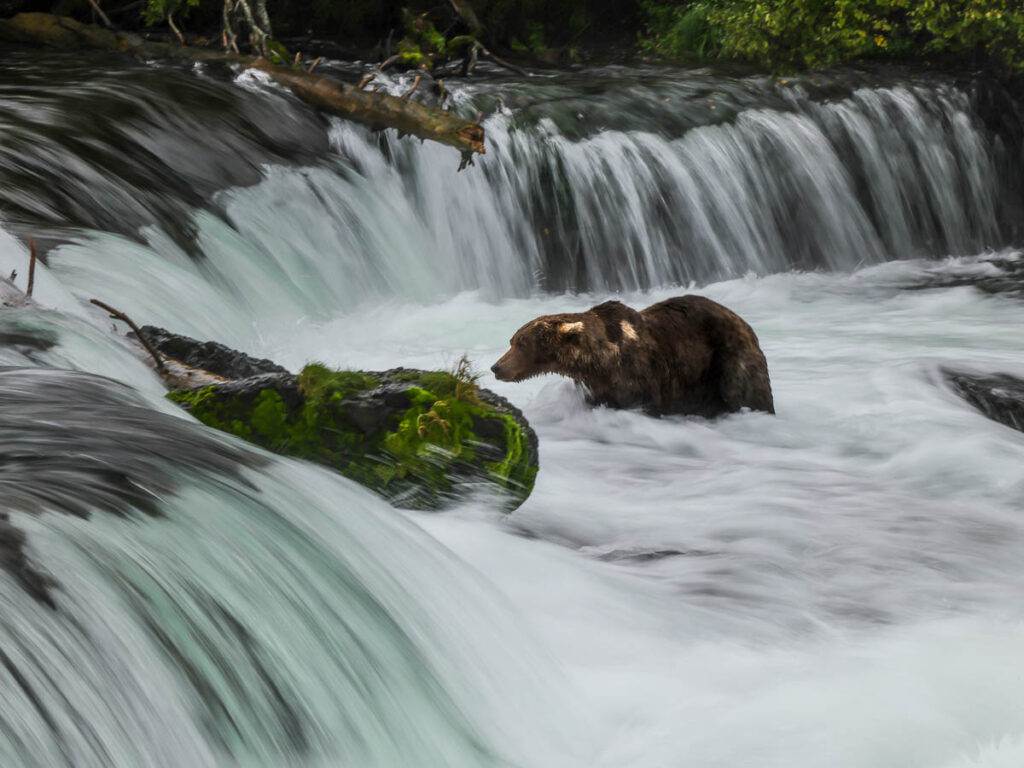
Summer transforms Katmai into the ultimate wildlife theater, primarily because it’s salmon season. The Brooks River experiences multiple salmon runs, each bringing bears from across the region. Two runs dominate the season: July and September. July’s is a spectacular show. Mid-July marks the salmon run’s peak intensity. Brooks Falls becomes a frenetic scene of bears, competing for position, standing on rocks, wading through rushing water, catching salmon almost casually. If you’ve watched Disney’s Brother Bear... yes, that animated movie… you might remember a scene featuring bears at a waterfall singing and catching fish. That scene was directly inspired by Brooks Falls. What Disney depicted in animation actually happens in real life here, minus the singing bears (unfortunately). I cried when I first stood there watching it and thinking about watching Brother Bear with my kids.
The sockeye salmon appear by late June, arriving in hordes. By mid-July, the action reaches its crescendo. Then, almost as suddenly as it began, the run concludes by month’s end. It’s kind of crazy. August is much quieter. August presents an interesting situation as summer technically continues, but the bears disperse searching for alternative food sources. Visiting during August might mean witnessing fewer bears at Brooks Falls. This can actually be advantageous for those seeking quieter bear viewing experiences and shorter boardwalk waits, but there’s also the risk of zero bears hanging around Brooks Camp.
The bears return in September for a second sockeye salmon run. This represents another opportunity for dramatic bear-watching action. Brooks Lodge and park facilities typically close by mid-September, marking the operational season’s end.
Spring and Early Summer: A Different Kind of Bear Experience
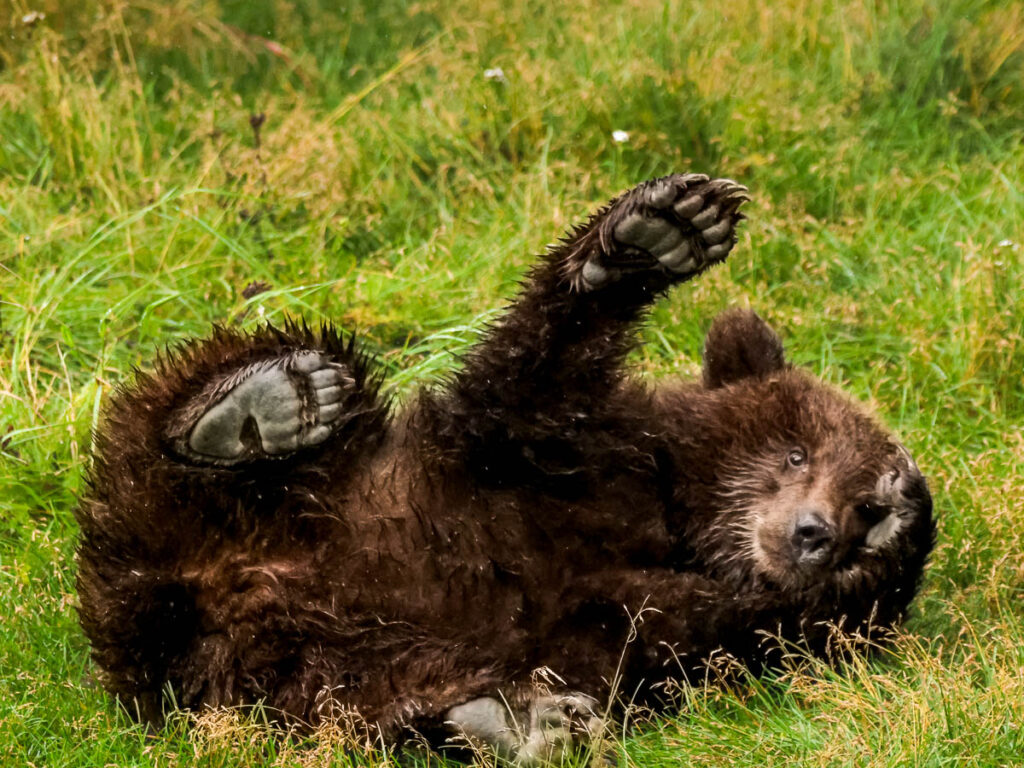
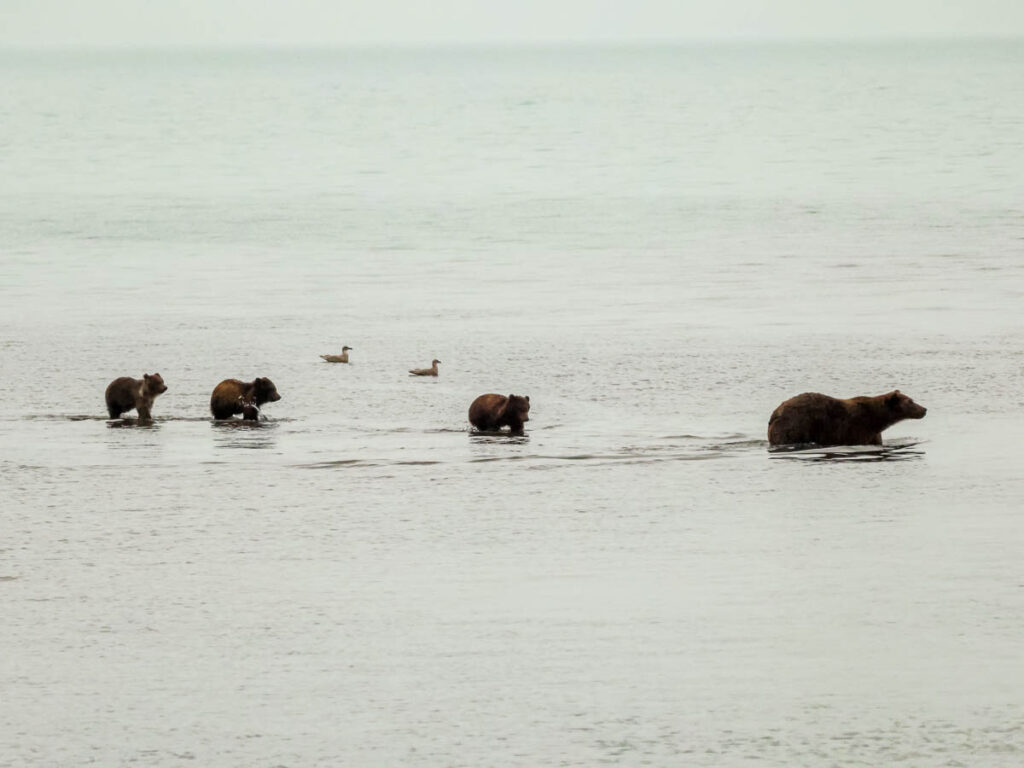
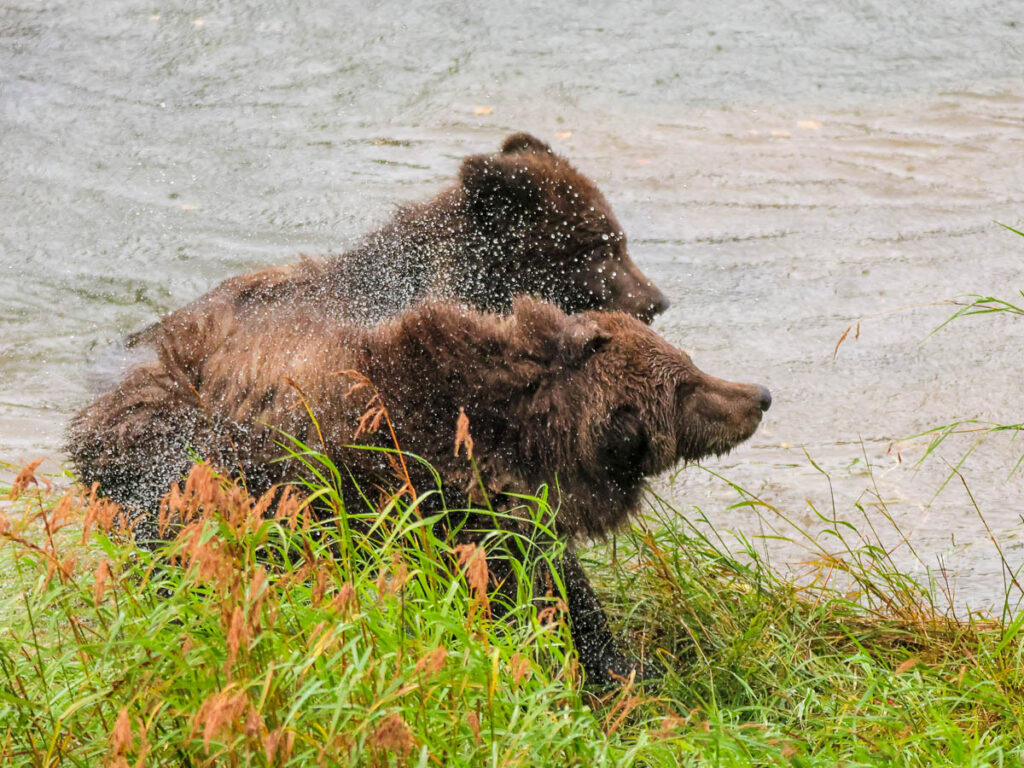
Late spring and early summer (before June 21) offers an entirely different Katmai experience. Bear populations aren’t as visibly concentrated, but here’s the real draw: mama bears emerge with brand new cubs! Witnessing cubs interacting with their mothers, learning to fish, and playing in the water provides unparalleled cuteness and remarkable wildlife behavior observation. Additionally, the days grow noticeably longer during this period, with the sun barely dipping below the horizon. The warming temperatures create genuinely beautiful conditions for outdoor adventure.
Financial Planning: Budgeting Your Katmai Dream
Visiting Katmai requires careful financial planning because the costs vary dramatically depending on your chosen experience. Let me break down each option so you can budget accordingly. Keep in mind that staying over at Brooks Lodge has around an 18 month lead time, so you do have a chance to save.
The Brooks Lodge Lottery: Best Value for Multi-Day Stays
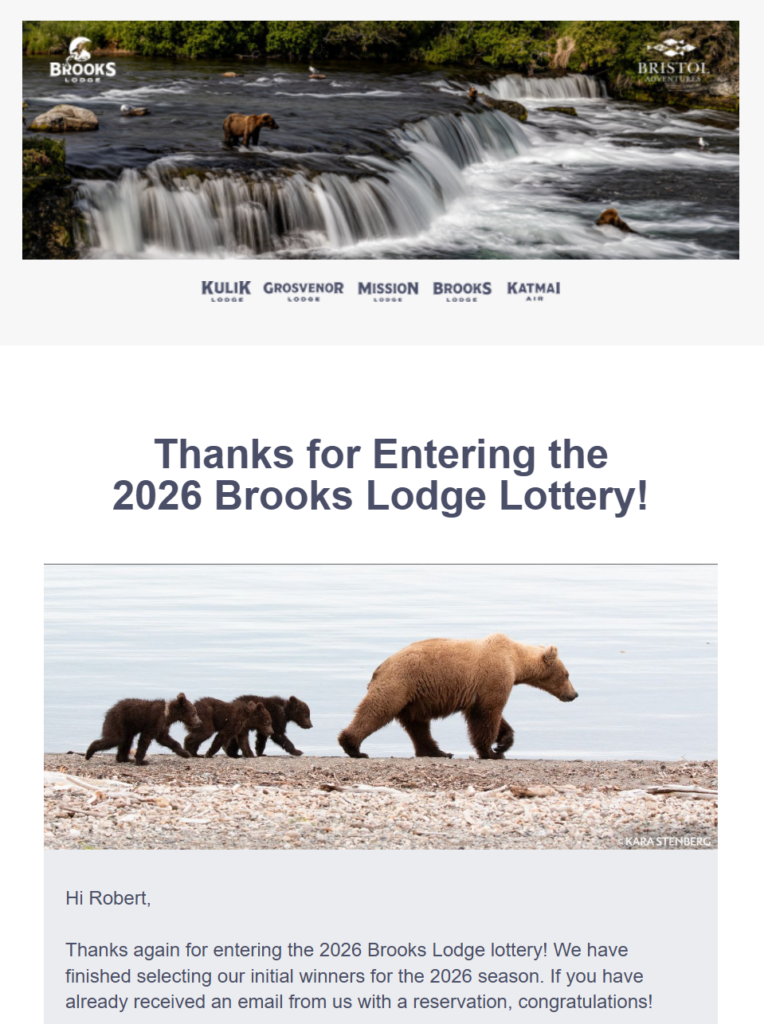
Here’s how the Brooks Lodge lottery works: On December 1 each year, the lottery opens for the following summer, a year and a half away. You can apply for one to four nights, though two or three nights represent the optimal duration.
Winning the lottery (managed through Bristol Adventures, an Alaska Native-owned and operated company) nets you an all-inclusive package of approximately $1,250 per person for two nights. This covers seaplane flights from King Salmon, your rustic cabin, meals access (though not included, more on that below), and the famous Valley of Ten Thousand Smokes tour.
Why is this the best deal?: You’re getting extensive bear viewing access, a guided geological and wildlife tour, unlimited time on the platforms, and a genuine wilderness experience without breaking the bank compared to alternatives.
Dining information: meals aren’t included in your lodge package, but Brooks serves breakfast, lunch, and dinner with tiered options. Individual meals range from $14 to $40 USD. Budget accordingly.
Total Cost Breakdown: Brooks Lodge + King Salmon flight ($250-$400) + strategic overnight buffer in King Salmon ($300 split among companions) = approximately $1,850 per person total. This represents your most economical multi-day option.
Day Trips: the Most Expensive Per-Experience Cost
Day trips from Anchorage, Homer, or Kodiak represent the most accessible option for many travelers but the least economical. These full-day adventures (lasting six to twelve hours depending on your operator) start at a minimum of $1,100 per person and escalate to $1,800. You’re unable to fit both Brooks Falls and the Valley of Ten Thousand Smokes into a single day visit, so a day trip is only all about the Brooks Camp/Brooks Falls experience. Most operators provide either Brooks Camp focus or Hallo and Geographic Bays exploration if that’s the better day trip option (depends on salmon runs and bear activity).
Total Day Trip Cost: $1,100-$1,800 USD.
Camping: the Budget-Conscious Route
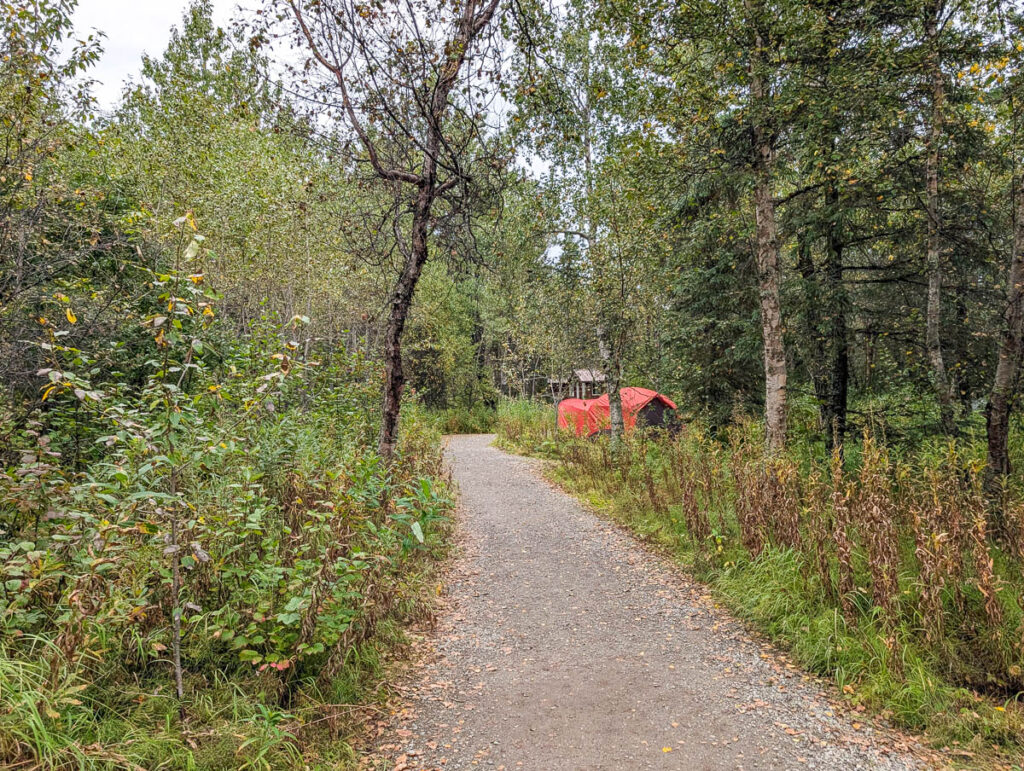
Adventurous travelers willing to embrace tent life can dramatically reduce costs. Here’s the scoop: fly into King Salmon from Anchorage ($250-$400), take the Katmai Water Taxi to Brooks Camp ($205), camp for three nights ($18 per person per night = $54), pay the return water taxi fare ($205), add the Valley of Ten Thousand Smokes tour ($120), budget for lodge dining ($225), and voilà.
Total Camping Cost: approximately $1,100 USD per person for three nights. This is the most economical multi-day option, though it requires camping comfort and food preparation willingness. I know, this isn’t much less than getting a cabin at Brooks Lodge, but if you didn’t win the lottery, this is your backup option.
Note: And yes, there’s an electric fence surrounding the campground. It’s humorous to see, but absolutely necessary for safety. The cooking area is within the electric fence too.
Your Katmai Itinerary: Activities and Experiences
Here are the things that you’ll be able to enjoy when you come to Brooks Camp for a few days. Of course, you can just spend your time going between camp and the falls, but there’s more to Katmai National Park than just these two spots, and for more wildlife, you’ll want to explore just a bit more.
Bear School: Mandatory Orientation
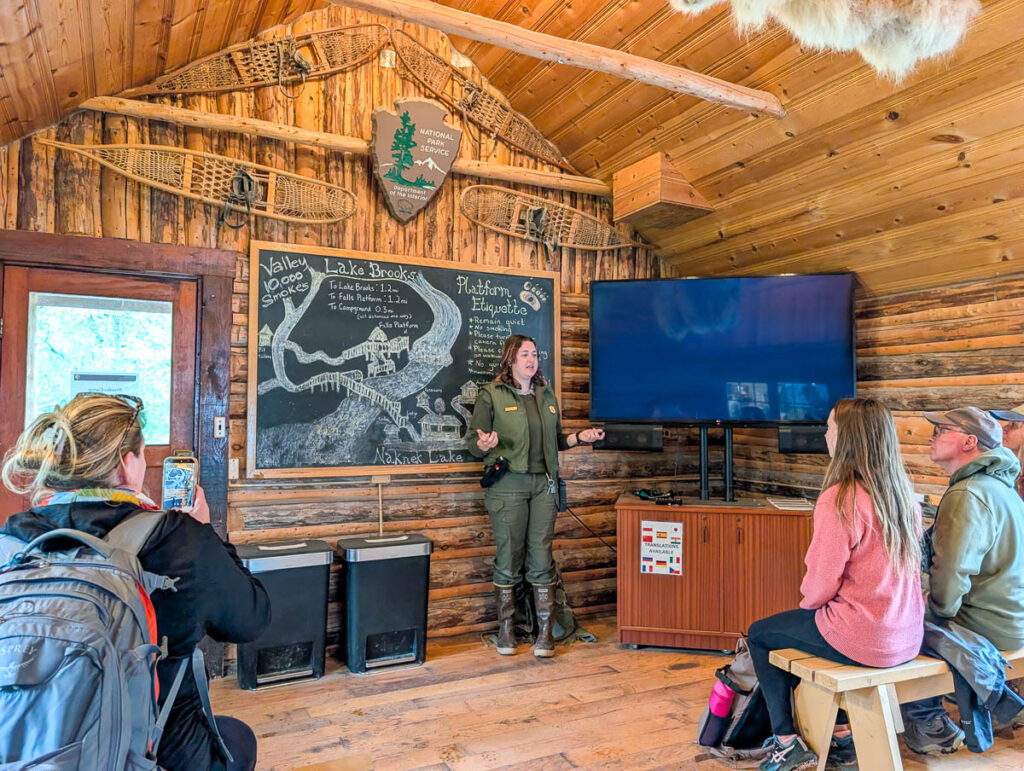
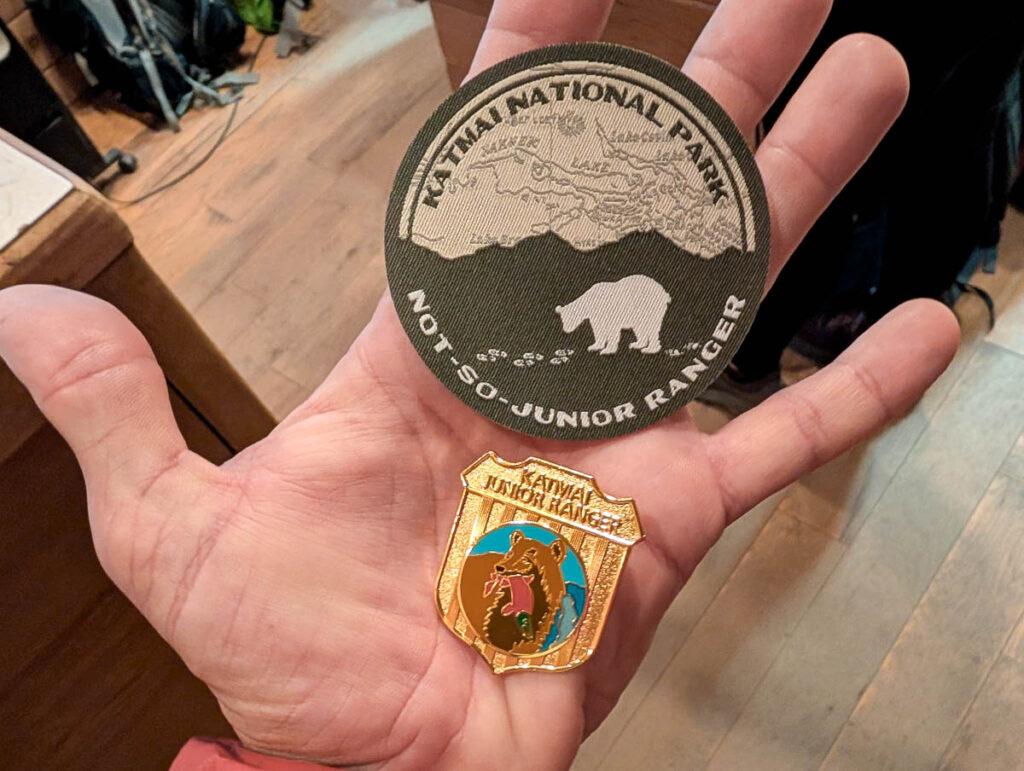
Your first obligation upon arriving at Brooks Camp is completing bear school, a mandatory twenty-minute orientation involving a bear safety video and ranger-led discussion. Before you can wander anywhere near bears, you must understand proper behavior, safety protocols, and emergency procedures. Given that bears roam everywhere throughout the park, and specialized rangers dedicate their entire workdays to bear management, this isn’t bureaucratic busywork. It’s essential preparation for coexisting safely with apex predators. Consider it your Katmai stamp of approval, and you even get a pin when you’re done.
Brooks Falls: the Main Event for Bear Viewing
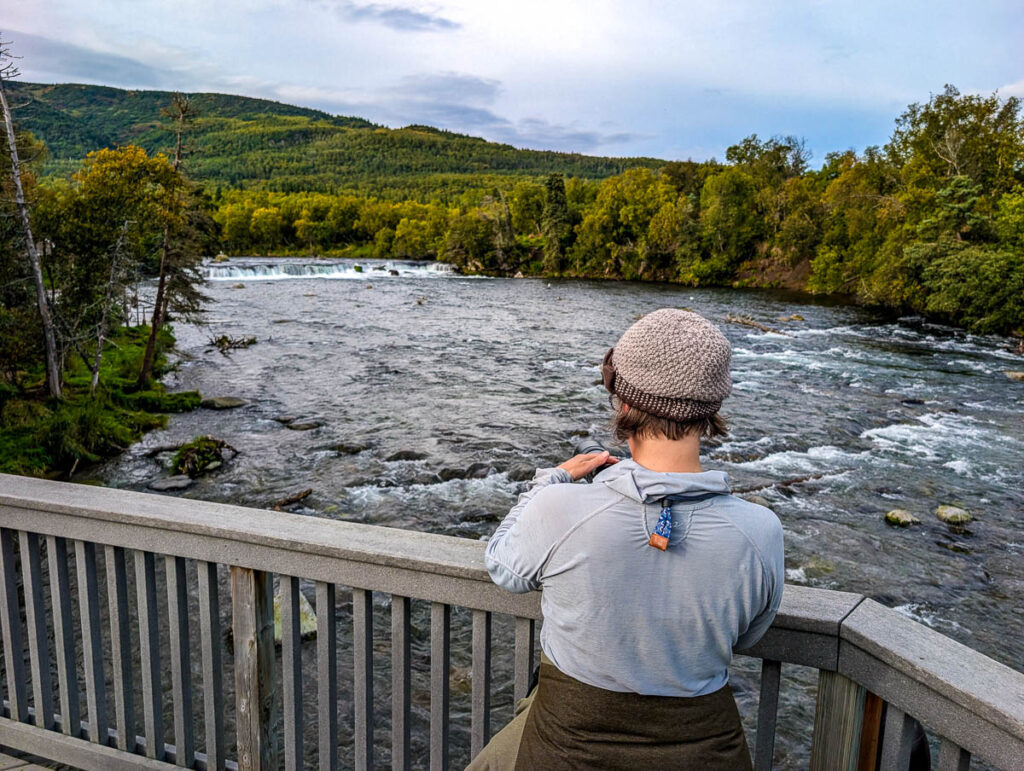
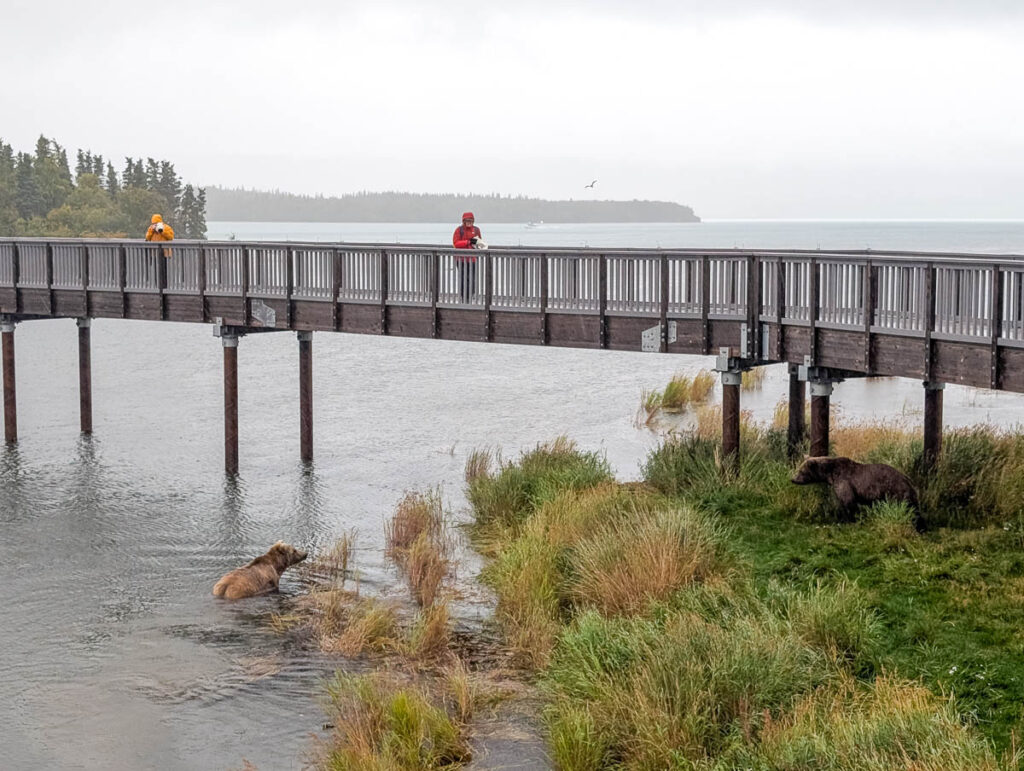
Brooks Falls represents the quintessential Katmai experience. The relatively easy 1.25-mile trail, heavily boardwalked for safety and accessibility, takes you to observation platforms overlooking salmon-filled waterfalls and bear fishing grounds. During peak salmon runs, witnessing thirty or more bears simultaneously fishing, communicating, establishing hierarchies, and competing for premium fishing spots is genuinely transformative. Even during slower periods, the bear activity remains extraordinary. The sheer abundance of bears, the boardwalk walks, the falls themselves, the salmon runs all combine into an experience that photos and written descriptions can’t adequately capture until you’re standing there, living it.
The Valley of Ten Thousand Smokes: Geological Wonder
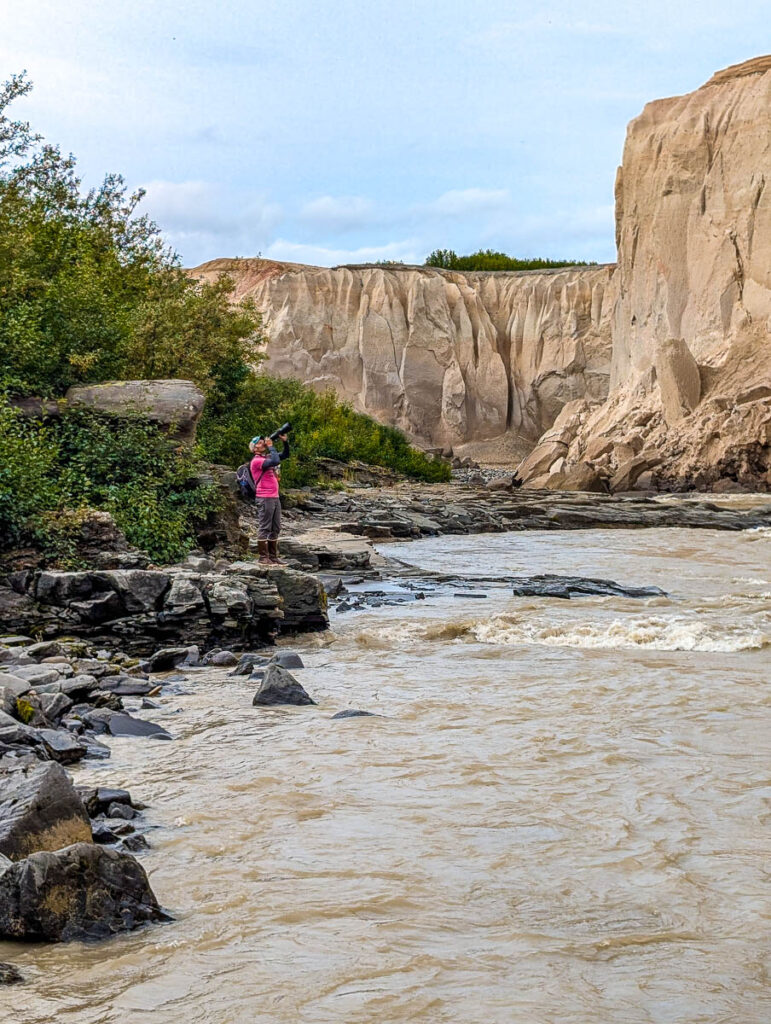
This tour represents Katmai’s equivalent to Denali National Park’s famous Tundra Wilderness Tour. You’ll board a bus driven by an expert operator with a knowledgeable park ranger providing narration. The journey involves multiple wildlife observation stops, short interpretive walks to viewpoints, and several river crossings where water flows beneath your vehicle. The destination itself, the Valley of Ten Thousand Smokes, showcases otherworldly scenery: ash-covered mountains, glaciers emerging from volcanic terrain, and a landscape that looks untouched by time. The visitor center at the valley provides lunch facilities and rest opportunities. The hike to Ukak Falls and the confluence areas perfectly punctuates the experience.
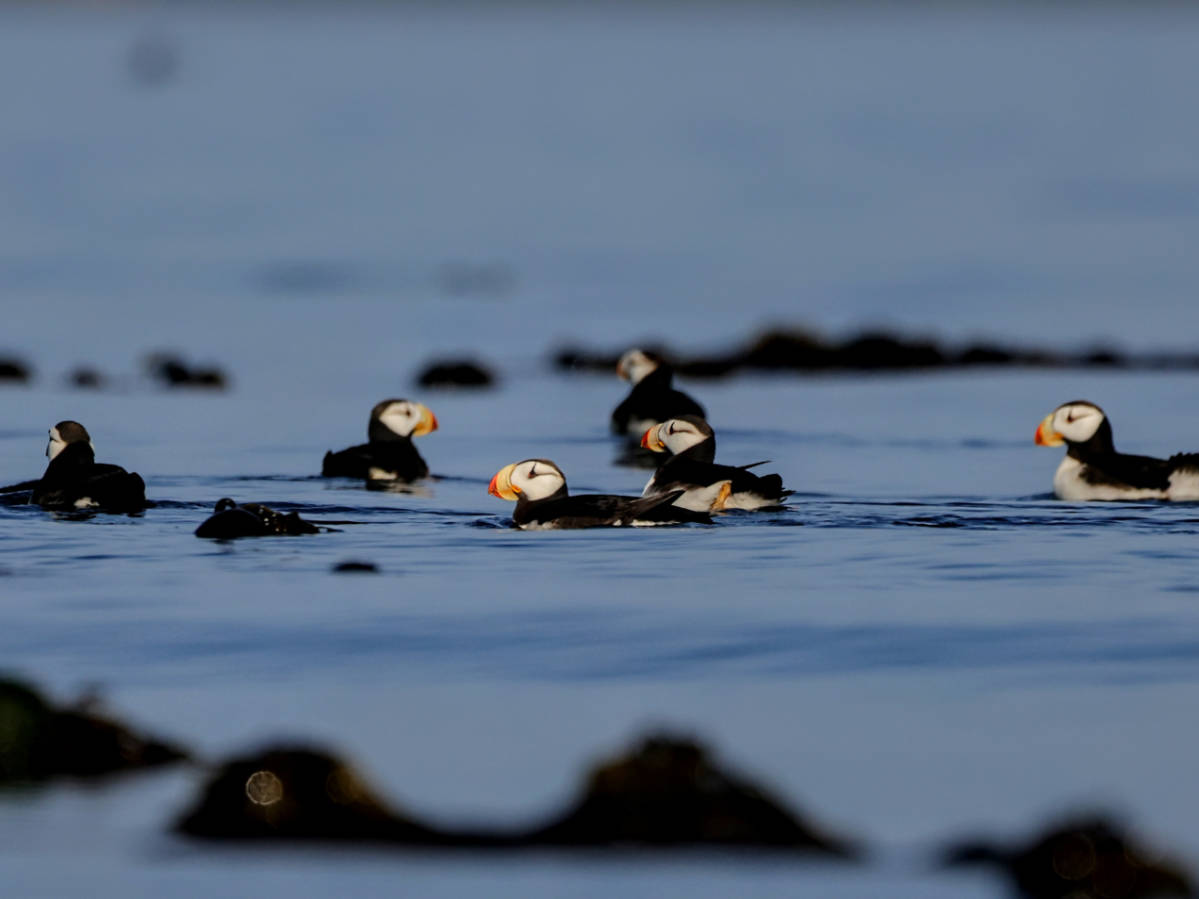
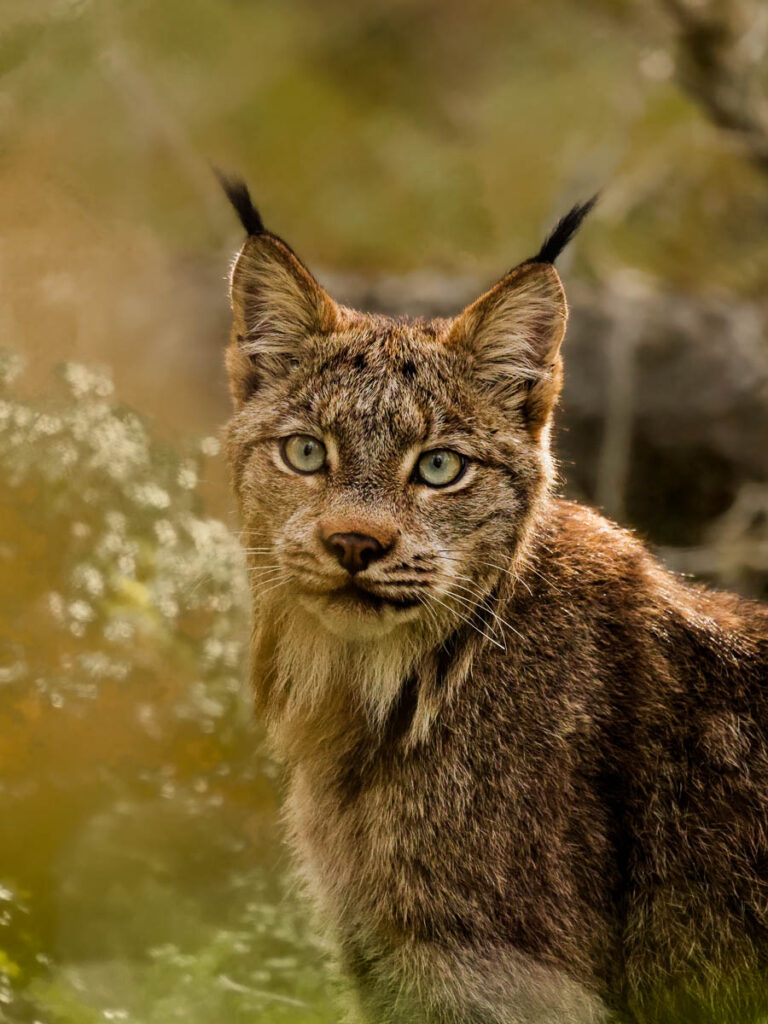
Wildlife encounters on this tour differ from Brooks Falls. You’re more likely observing moose, lynx, and owls rather than bear bunches. During our visit, we spotted four lynx and six moose, which were extraordinary numbers for a single day. At the Valley of Ten Thousand Smokes is the Robert F. Griggs Visitor Center. Accessible exclusively via the bus tour to the valley, this intimate visitor center celebrates the 1912 Novarupta eruption and the fascinating geology it created. Picnic tables and telescopes provide comfortable spots for extended valley observation and contemplation.
Hiking Trails at Brooks Camp: From Easy to Challenging
Trails around Brooks Camp are both to enhance visitor’s cultural understanding and to give them more parts of the park to explore beyond the Brooks Falls boardwalk trail.
- Oxbow Overlook Trail (.5 miles RT): The Alutiiq archaeological site reveals ancient dwellings and artifacts, with interpretive exhibits explaining millennia of human existence in this region. These displays turn the Katmai experience from merely a nature preserve into a place of human history spanning countless generations.
- Brooks Falls Trail (1.2 miles, flat): The main pathway most visitors traverse, heavily boardwalked and extremely accessible.
- Lake Brooks Trail (1.2 miles, flat): Branching from the Brooks Falls route, this beautiful walk around the lake offers paddling opportunities seasonally.
- Dumpling Mountain Overlook (1.5 miles, moderate-to-challenging): This hike climbs 800 feet, demanding more exertion but rewarding adventurers with panoramic views of Brooks and Naknek Lakes. It’s challenging but absolutely doable as an addition to your Brooks Camp time.
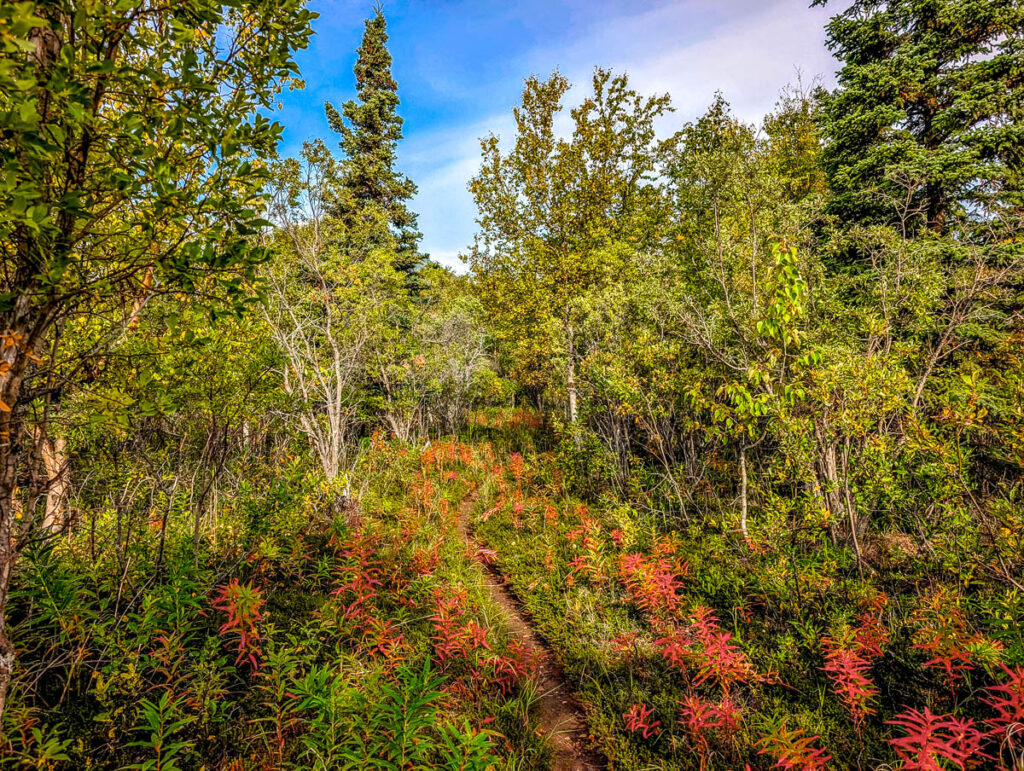
Stargazing on Clear Nights
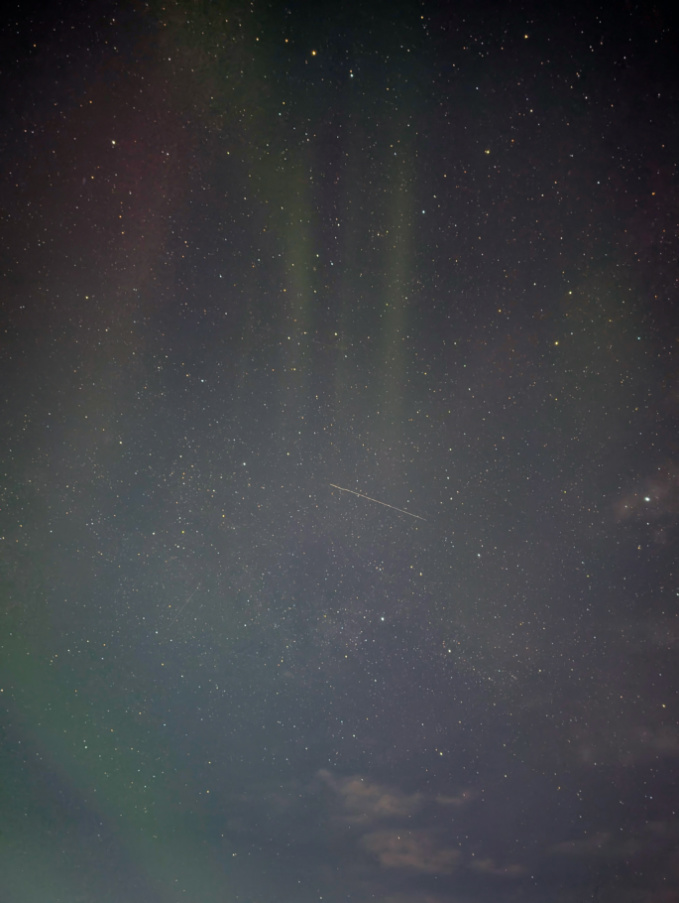
Katmai offers absolutely zero light pollution, which is a rare gift in our modern world. Clear nights provide phenomenal stargazing opportunities, although clear nights are never a guarantee. However, timing matters: from May through early August, darkness remains minimal, making traditional stargazing difficult. Late summer offers the best opportunities. Set up your observation gear on the first boardwalk along the river; it’s gated (keeping bears at a distance), wide, and equipped with level surfaces perfect for telescopes and cameras. If you’re lucky on a late season visit, you might even get to see the Northern Lights!
Flightseeing Tours: Alternative Perspectives
For visitors unable to spend multiple days at Brooks Camp, specialized flightseeing tours provide compressed Katmai experiences. These tours launch from Anchorage, Homer, or Kodiak, providing eight to ten hours at Katmai destinations. While most routes lead directly to Brooks Camp, some offer alternatives: Hallo Bay and Geographic Bay provide completely different bear-viewing scenarios. Season and salmon location influence tour destinations. Operators adjust routes based on optimal wildlife viewing opportunities.
King Salmon Visitor Center
Located near the King Salmon airport, this facility surprises with its quality and comprehensiveness. Despite King Salmon’s limited tourism infrastructure, the visitor center stands as a resource hub featuring exhibits about wildlife, geology, the Alutiiq people, and protected areas throughout Southwest Alaska. A small film room showcases documentaries about Katmai and the broader region. Friendly rangers enthusiastically facilitate viewings.
Pro tip: Junior Ranger packets are available here. Start working on yours before even reaching Brooks Camp, because these packets are surprisingly complex!
Brooks Camp Visitor Center
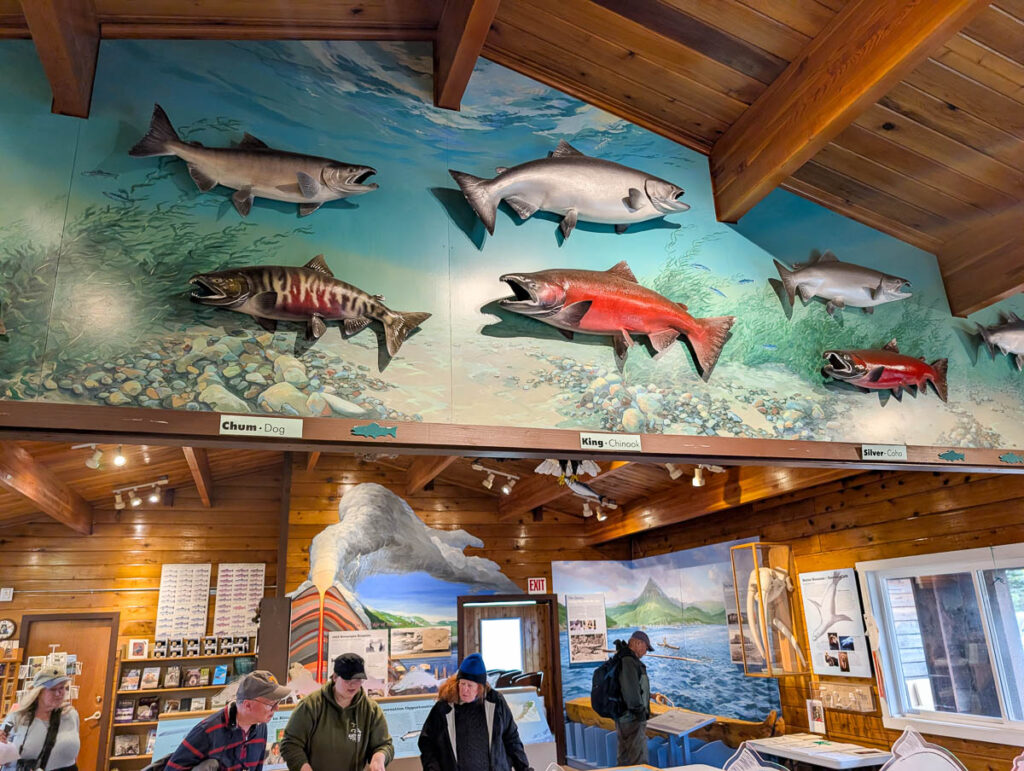
This smaller facility serves a focused mission: bear safety and bear-centric information. When bears literally walk everywhere throughout the facility, this center appropriately emphasizes bear management, safety protocols, and bear-watching intelligence. It’s headquarters for completing bear school orientation, learning Fat Bear Week winner histories, and obtaining your Junior Ranger oath certificate.
PS: the Junior Ranger badge for Katmai National Park is awesome and you can only get it at the Brooks Camp visitor center, so be sure that you’ve completed your Junior Ranger Packet before you depart.
Standing in Katmai National Park, surrounded by 4.1 million acres of protected wilderness, disconnected from cellular networks and WiFi signals, witnessing bears behaving according to their evolutionary impulses rather than human schedules really changes your perspective. I had several moments of absolute wow, and being fully detached from the outside world amplified it.
You cannot truly understand Katmai’s magic through descriptions or photographs. The enormity of the experience, the connection to nature, the privilege of witnessing apex predators in their domain, living according to ancient patterns while we observe, all of these experiences reshape how you understand your place in the natural world. Is the expense justified? Absolutely (I think so). The memories, the photographs, the stories, the personal emotions of it all, these are investments in a once-in-a-lifetime experience. Katmai National Park isn’t just a destination; it’s a pilgrimage to witness nature at its absolute best.
Plan accordingly. Save strategically. Begin the process eighteen months in advance. And prepare yourself for one of your life’s most extraordinary adventures. And as always, please let us know how we can help you plan. Feel free to leave a comment or send us a note so we can work with you to put together an amazing trip to Katmai National Park and Preserve.