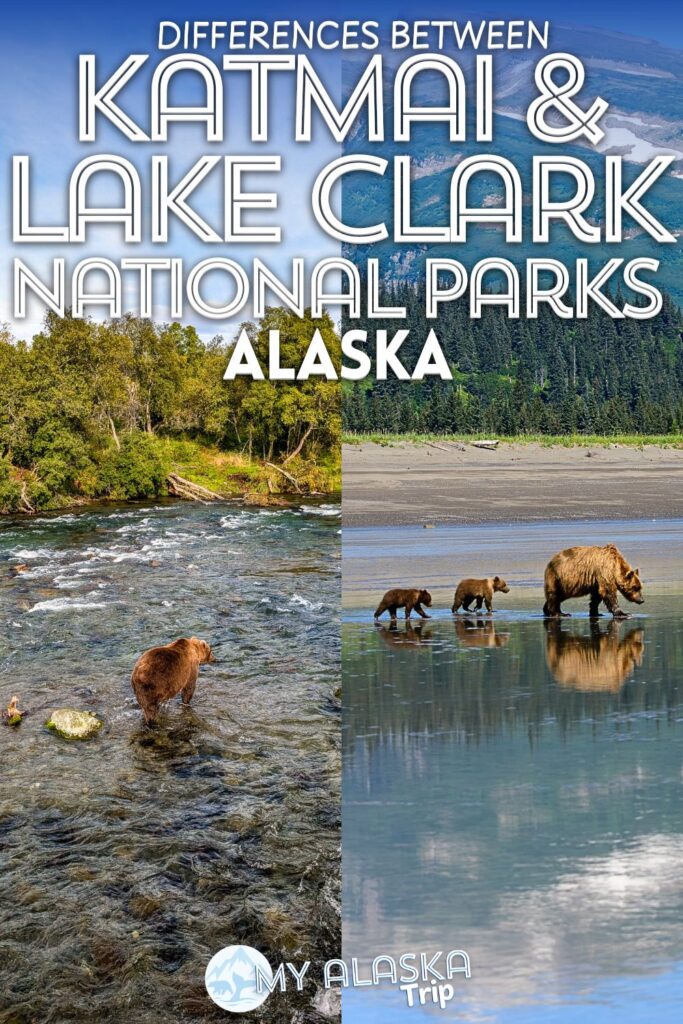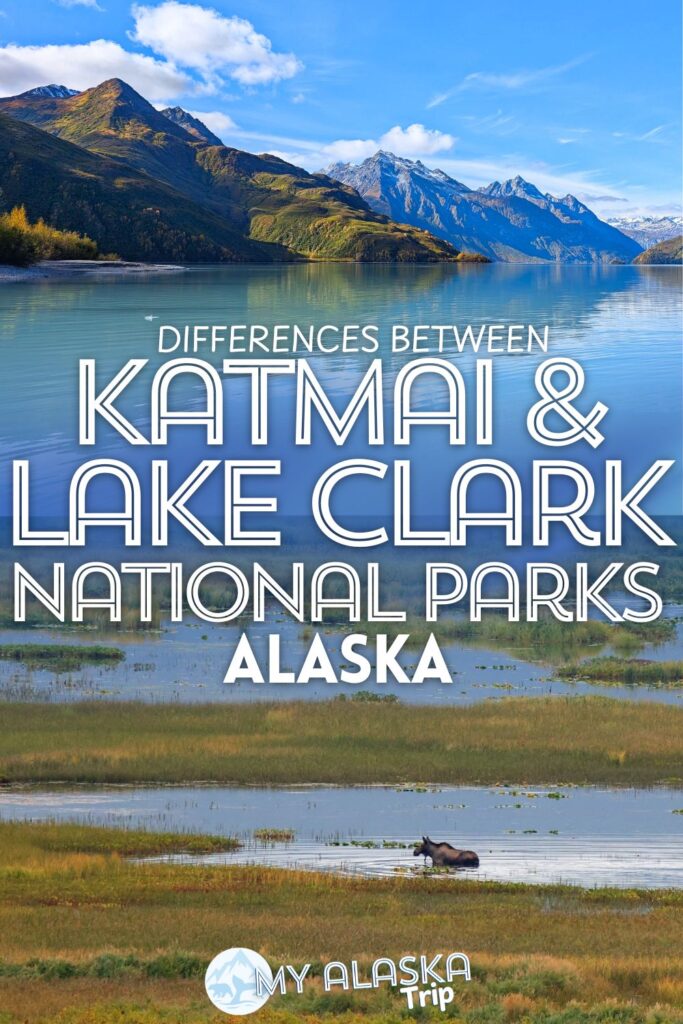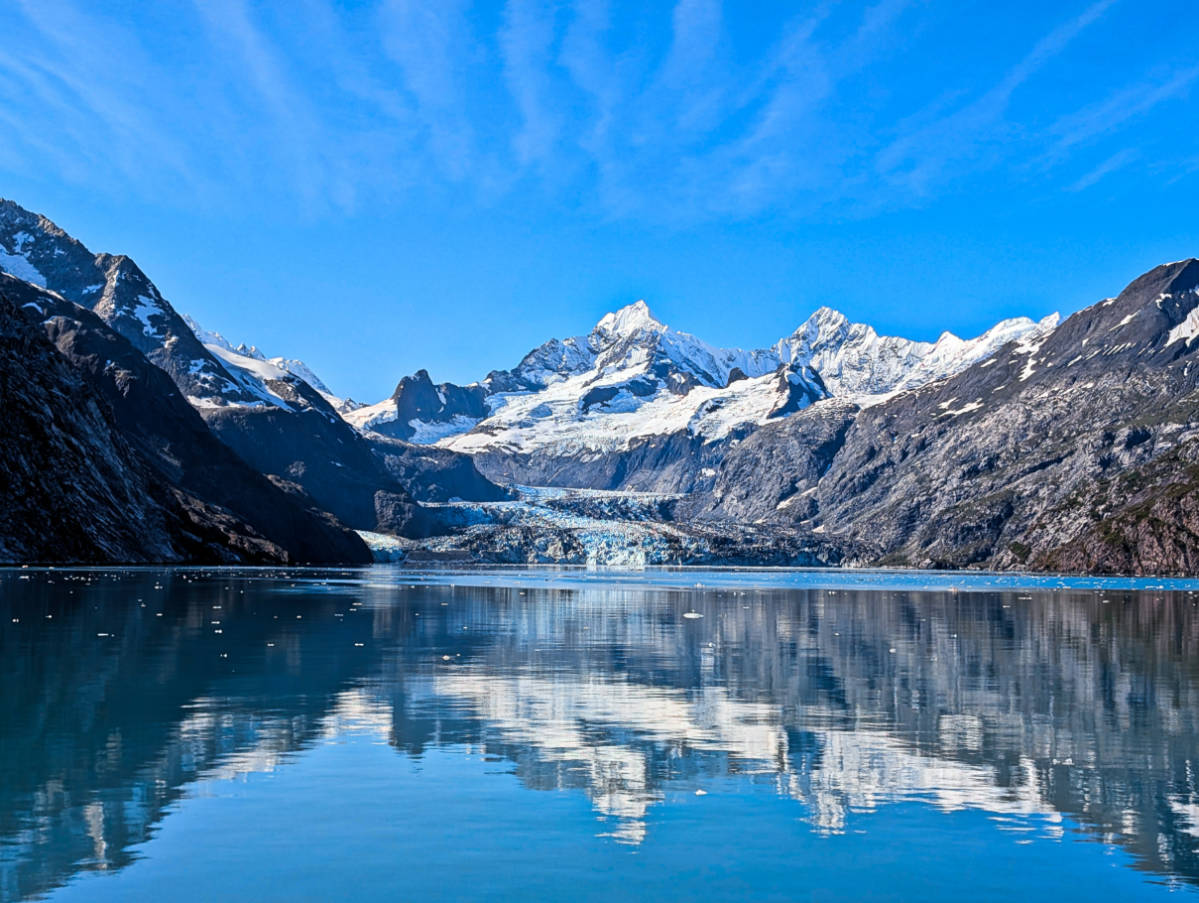
Alaska has two National Parks in the southwest stretch that are famous for the incredible bear viewing. Katmai National Park and Lake Clark National Park are both phenomenal for the number of coastal brown bears you’ll see congregating on the rivers, lakes and at the waterfalls. But which do you choose to have your epic Alaska bear adventure? Having been to both and seen an incredible number of bears, I’m here to help you choose and make an informed decision.
Something I always remind people of when we’re talking about seeing wildlife in Alaska is that wildlife is just that: WILD. While both Katmai and Lake Clark National Parks have exceptional bear viewing opportunities, they are natural areas where the bears can come and go as they please, so while you may be expecting to see the fishing scene from Brother Bear, you might just get Fozzy opening up for the Muppet Show. Kidding, it’s not like that, but the concentration of bears in each park does vary by month. We’ve got the whole scoop though, so read on and if you have any questions, please leave a comment or send us a note. We’re always happy to share more and help you plan a wonderful trip to Alaska!
Which Bear Viewing Experience Is Right for You?
Katmai and Lake Clark National Parks are neighboring wilderness parks and preserves in southwest Alaska and are considered the two premier brown bear viewing destinations in North America. Although they protect the same species, coastal brown bears (subspecies of grizzlies), the experience in each park is remarkably different. Katmai is famous for dramatic salmon fishing at Brooks Falls, while Lake Clark offers intimate, ground-level encounters with bears roaming beaches and coastal meadows. I love both equally, but one of them really changed by brain chemistry and love of nature. Which was it?!
Comparison of Katmai vs Lake Clark National Park
So what are the basic differences in visiting Lake Clark and Katmai National Parks? The only things that are similar really are that you get to see bears and you have to fly there. Here’s the breakdown:
| Category | Katmai National Park | Lake Clark National Park |
|---|---|---|
| Famous For | Bears catching salmon at Brooks Falls | Walking among bears on beaches and meadows |
| Visitor Experience | Elevated viewing platforms, some hiking | Guided ground-level viewing and from boats |
| Crowds | Moderate to heavy in July | Small groups, far fewer visitors |
| Best For | First-time visitors and photographers seeking iconic images | Wildlife enthusiasts seeking unique encounters |
| Accessibility | Floatplane or boat | Floatplane or bush plane only |
| Typical Cost | Slightly less expensive | Generally more expensive |
We’ll get more into cost below, but at the end of the day both are premium experiences. What makes Katmai more affordable for visitors is that there is a bundled transportation/lodging option that is actually a good deal in partnership with the National Park Service, while Lake Clark NP only has privately run lodging and some camping.
Why Do Both Parks Have So Many Bears?
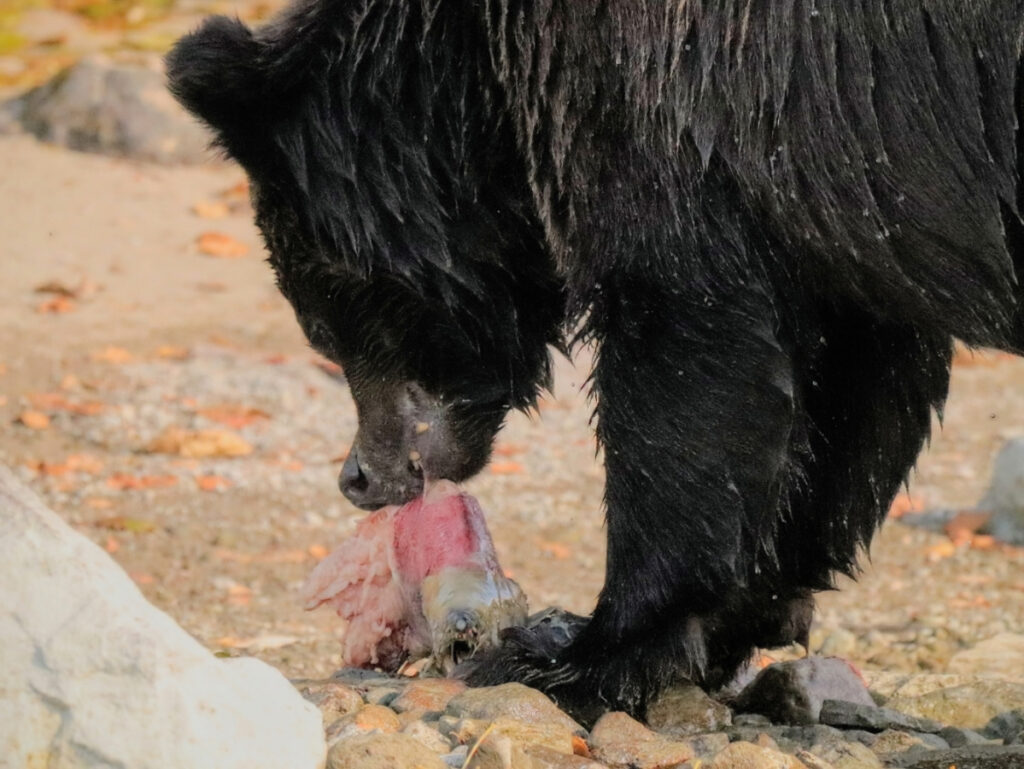
The Alaska Peninsula supports one of the world’s largest concentrations of coastal brown bears because of an extraordinary combination of abundant food and protected habitat. Each summer, millions of sockeye salmon return from the Pacific Ocean to spawn in the rivers and lakes of southwest Alaska. These fish provide bears with enormous amounts of protein and fat needed to survive the long winter hibernation. The parks also contain vast undeveloped wilderness, healthy salmon streams, tidal flats rich in clams, sedge meadows, berries, and almost no human development.
Katmai alone is estimated to support approximately 2,200 brown bears, meaning there are more bears than permanent human residents in the park. Both Lake Clark and Katmai are two of the best places to see bears in all of North America.
Katmai National Park Experience
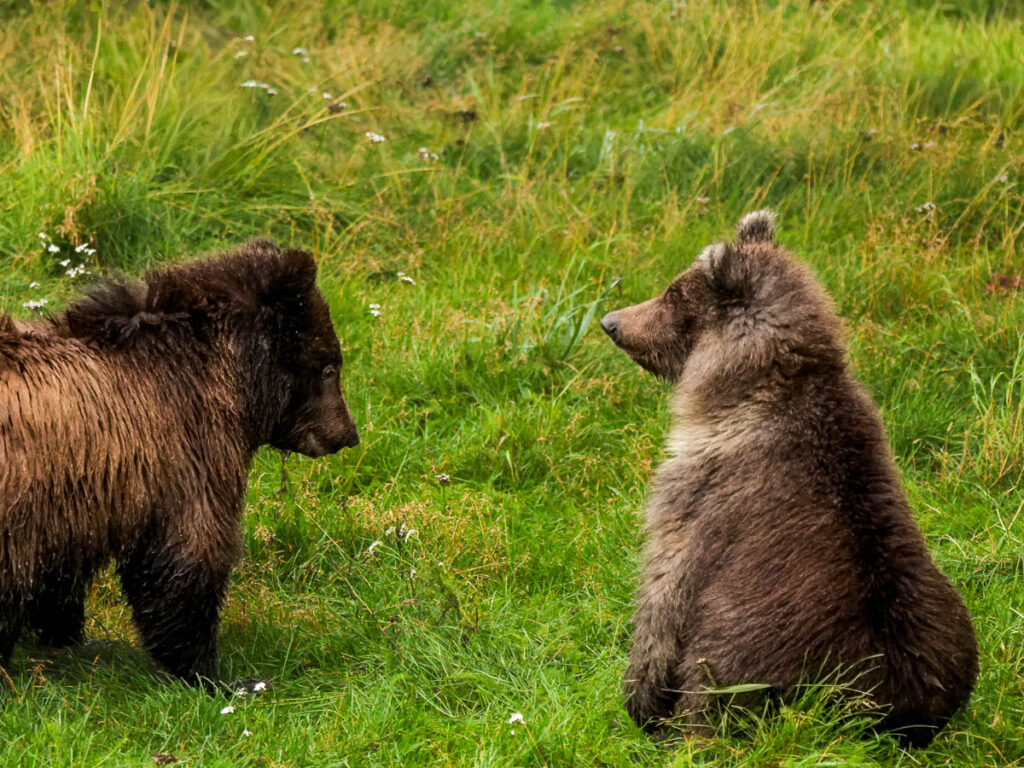
Earlier I mentioned that one of these National Parks had a profound impact on me and how I view and interact with nature. It was Katmai NP. Spending several days just being among brown bears and seeing how they interact, play, parent… When I left I felt like I was walking away from what life is supposed to be like to return to the reality of what it is. I now view so much of my everyday life differently.
What Makes Katmai Unique?
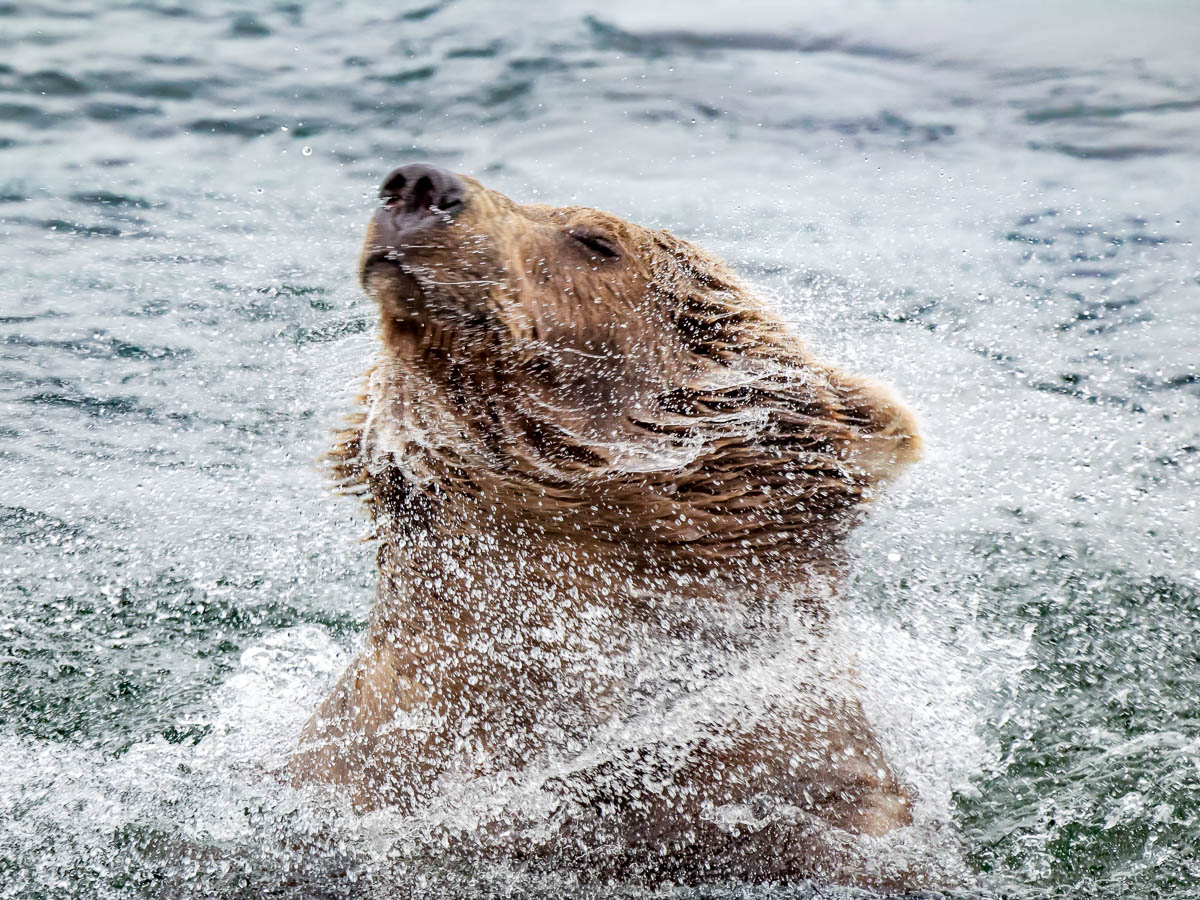
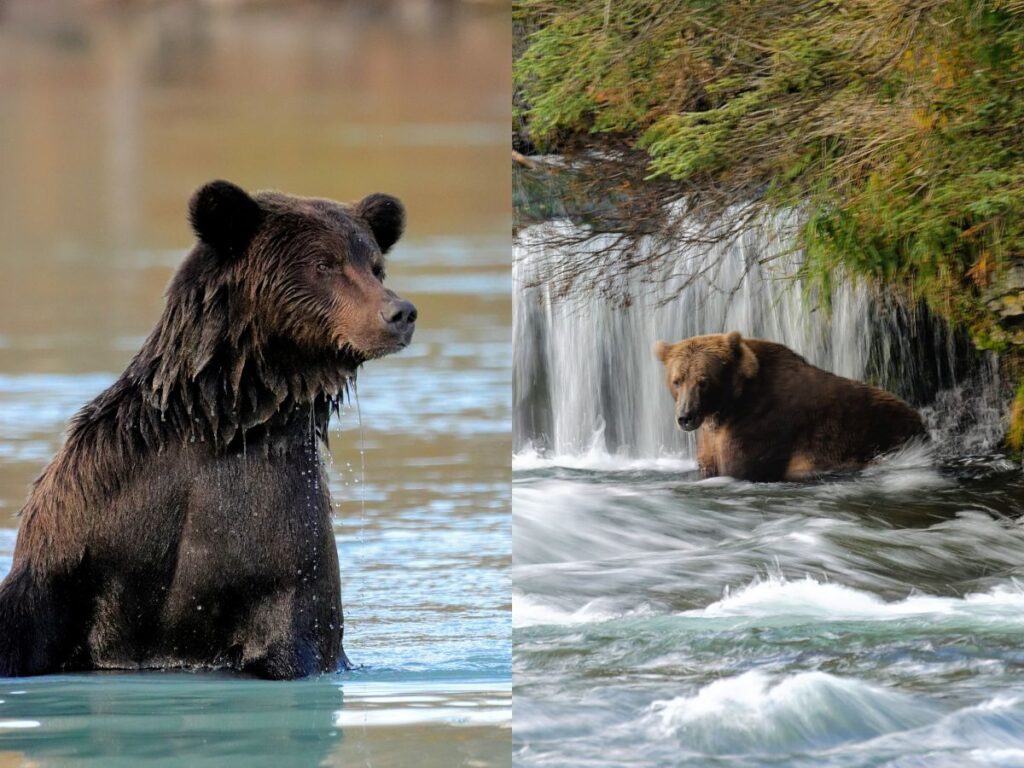
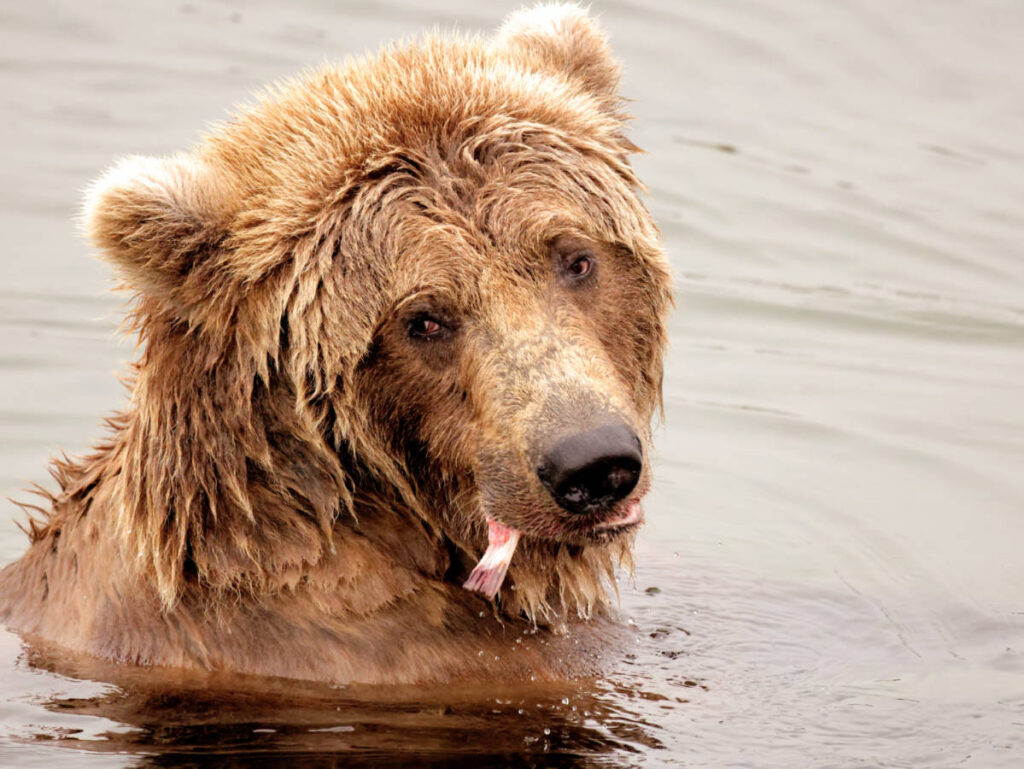
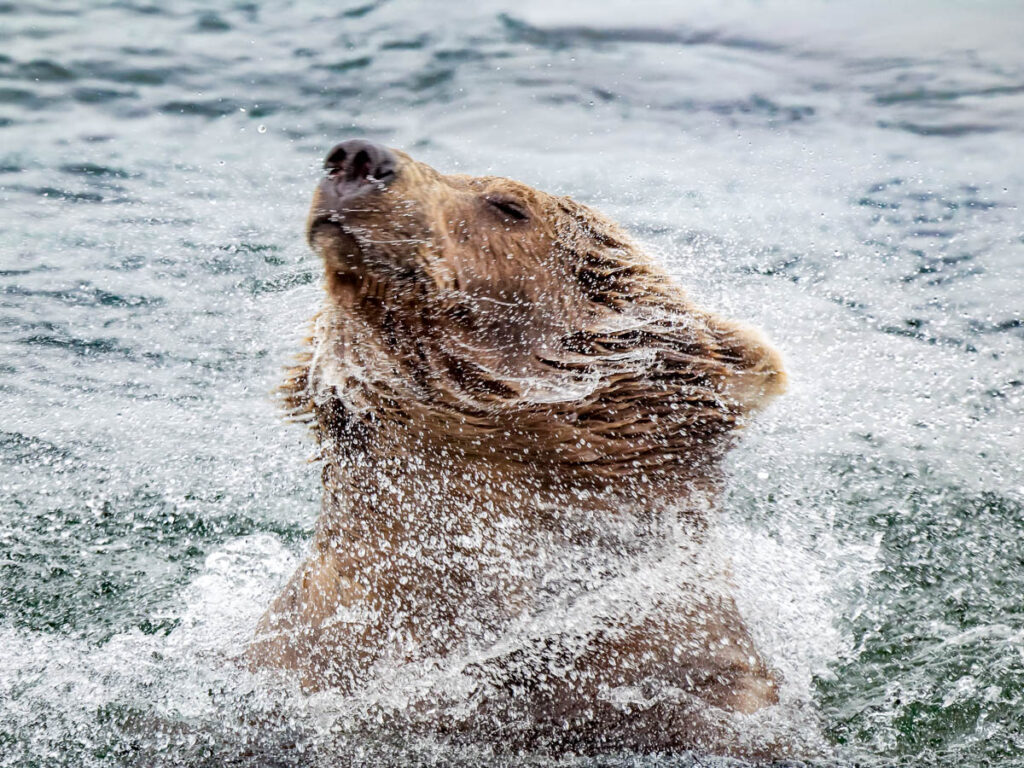
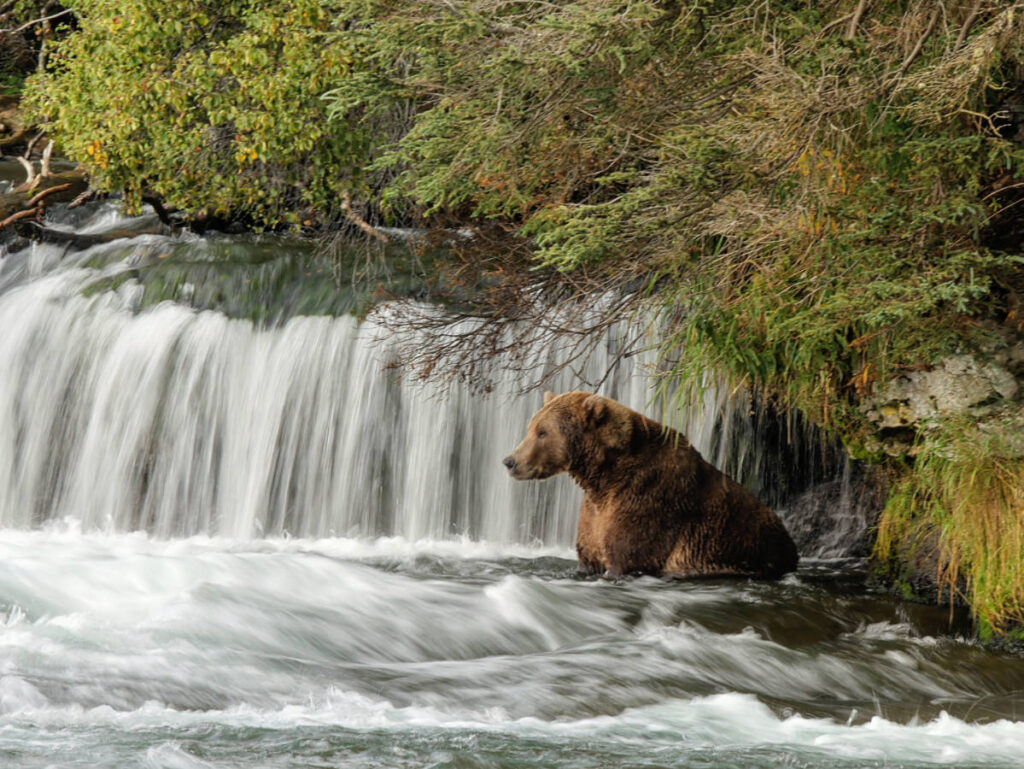
Katmai is synonymous with Brooks Falls, which is arguably the most famous bear viewing location on Earth. During the annual sockeye salmon run, bears gather below a six-foot waterfall where salmon leap upstream. Visitors watch from elevated viewing platforms as bears stand in the rushing water and catch fish in midair, an image that has become iconic through wildlife photography and the annual “Fat Bear Week.” Unlike many wildlife experiences, Brooks Falls offers exceptionally reliable bear viewing during peak season because the bears return year after year to fish at the same location.
Where Can Visitors Go at Katmai National Park?
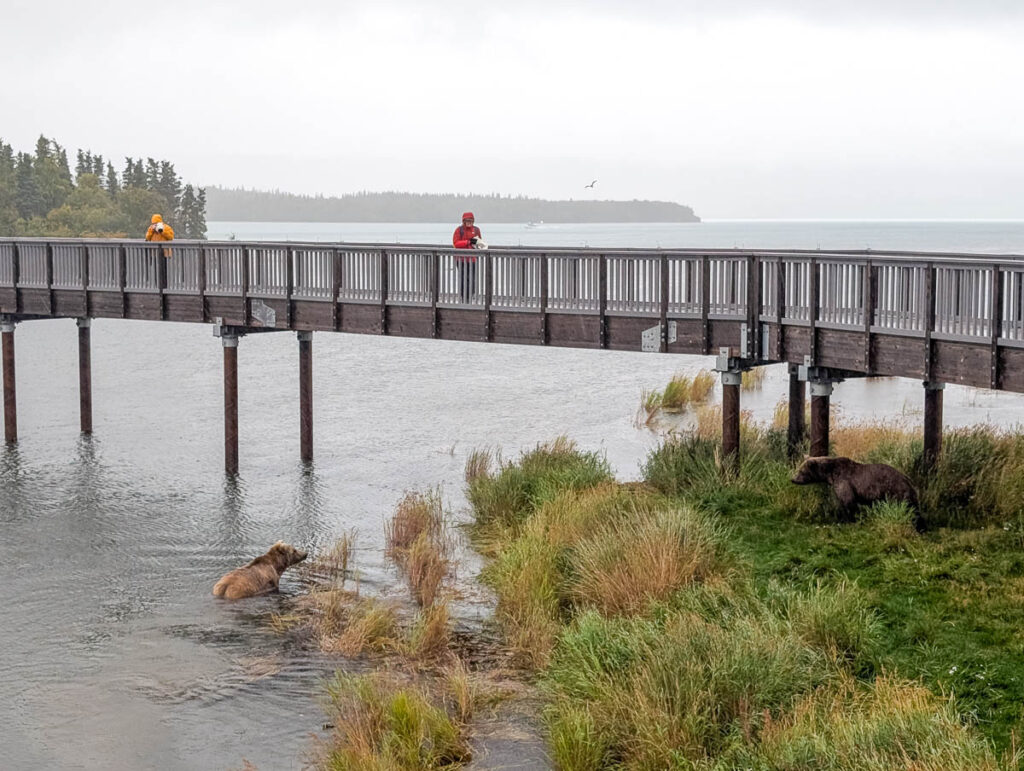
Katmai National Park and Preserve only has a few areas that are generally accessible. There are Hallo and Geographic Bays on the coast, and then Brooks Camp on Naknek Lake inland. Most visitors spend their time in the Brooks Camp area, which includes:
- Brooks Falls viewing platform
- Brooks River viewing platforms
- Brooks Camp Visitor Center
- Brooks Lodge
- Brooks Camp Campground
- Valley of Ten Thousand Smokes (accessible by tour bus)
The viewing platforms at Brooks Camp are connected by elevated boardwalks and trails, allowing visitors to safely observe bears while minimizing disturbance to wildlife. There are metal gates at the most popular viewing areas to protect humans a little extra.
How Do You Get to Katmai National Park?
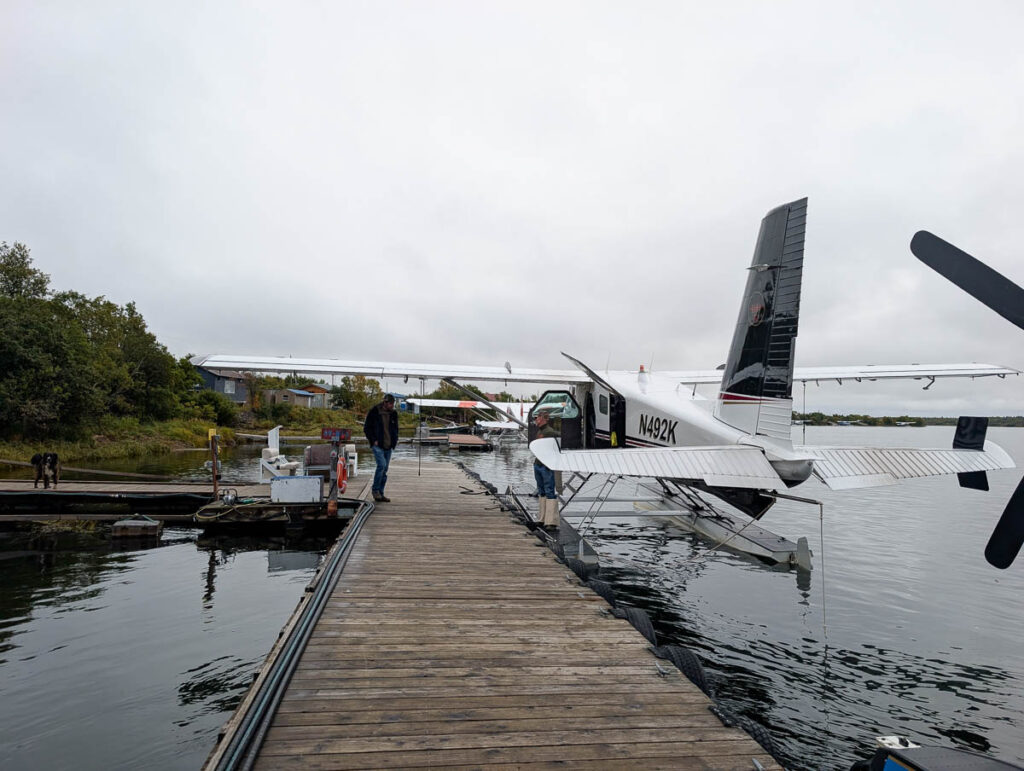
There are no roads into Katmai NP, so you’ll either be arriving via seaplane or water taxi. Most visitors either 1.) fly commercially from Anchorage to King Salmon and transfer to a floatplane for a 20–30 minute flight to Brooks Camp or 2.) do a day trip from Anchorage or Homer, flying in to Brooks Camp and departing after a few hours. Both are pricey, but one gives you a lot more time with the bears and to explore more of Katmai National Park.
CHECK OUT RUST’S FLYING SERVICE FOR KATMAI DAY TRIPS – When booking online or over the phone, use code 2traveldads for a 10% discount on your passage!
One other option for access to Katmai National Park is via water taxi from the town of King Salmon. It’s expensive too, plus you have to get to King Salmon, but if you’re camping in the park, it’s the best option for that.
Best Bear Viewing Seasons in Katmai NP
For day trips to Katmai, you can plan those on shorter notice, so consider what the bear viewing should be like before planning your trip and booking it. For overnight stays you need to plan 18 months in advance for Brooks Lodge and about 6 months in advance for camping.
Mid-May through June: Bears have recently emerged from hibernation and feed on lush sedge grasses. This is an excellent time for photography with fewer crowds, and much more bear activity near the bays vs the Brooks Camp areas. The salmon runs aren’t close to Brooks Falls yet.
Mid-July through Early August: This is the world-famous salmon run. Dozens of bears may gather simultaneously at Brooks Falls to catch salmon. The shores of Naknek Lake have brown bears patrolling, the river has bears snorkeling to fish, and the falls are busy!
Late August through September: Many bears remain along Brooks River feeding on late salmon. Visitor numbers decrease considerably, but wildlife viewing remains excellent. This is also a great time to see wildlife in the Valley of Ten Thousand Smokes.
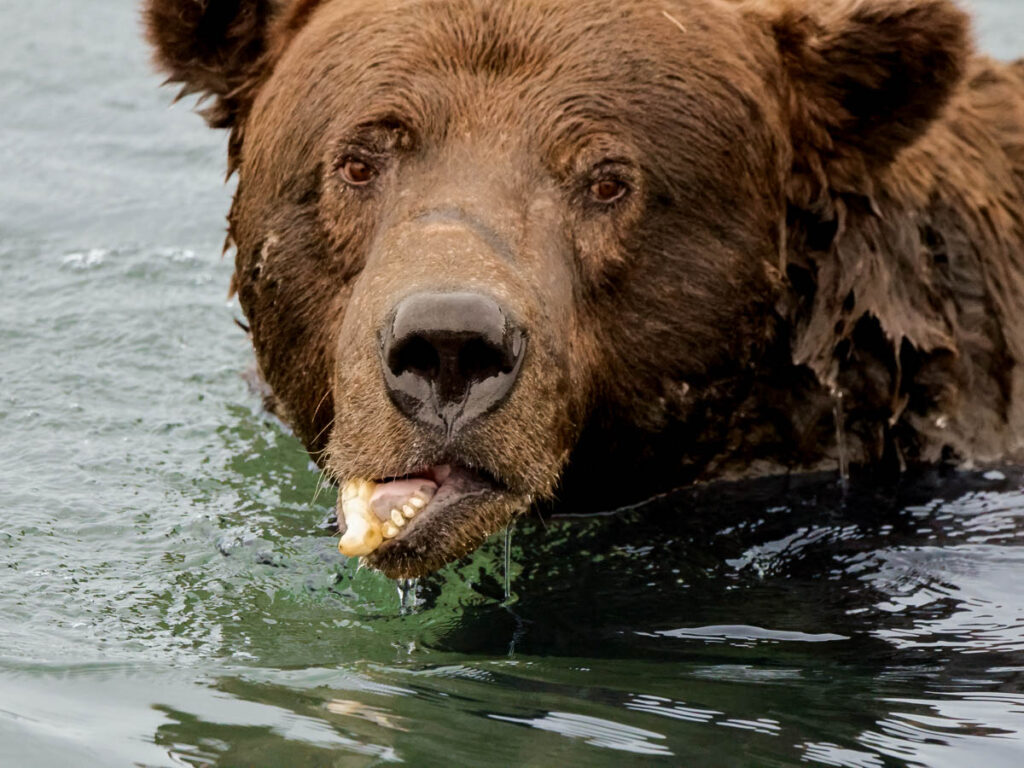
Lodging Options at Katmai National Park
There aren’t a ton of options for staying within Katmai National Park, but there are a few. The two primary options are at Brooks Camp, and then there are some very remote, all-inclusive lodges that are even more of a premium price. These other options include Enchanted Lake Lodge, Battle River Wilderness Retreat, Grovsner Lodge, Kulik Lodge, Katmai Wilderness Lodge and the Royal Wolf Lodge. Let’s talk about the primary options for Katmai though.
Brooks Lodge
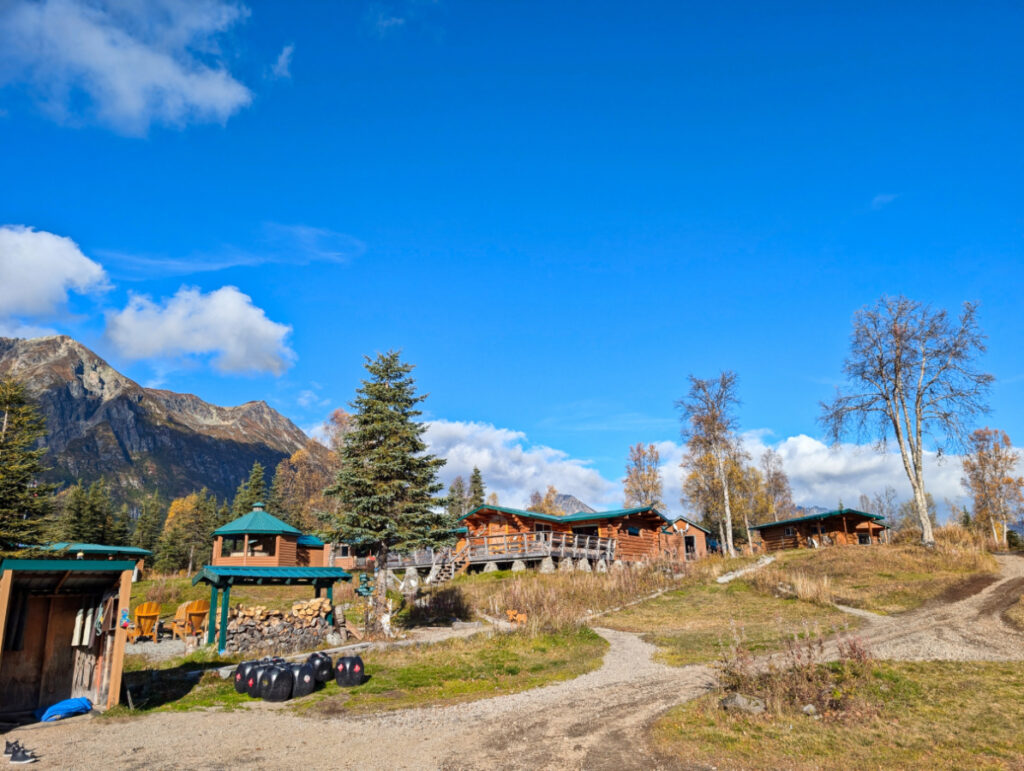
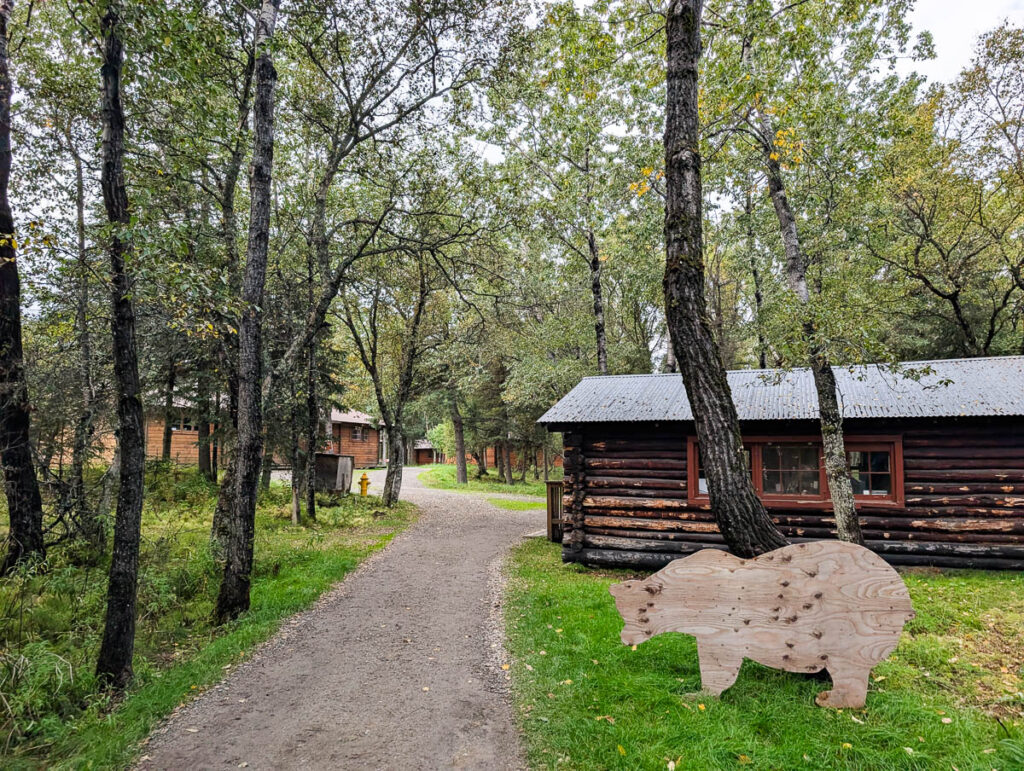
This is a fun, rustic place to stay and it’s in the best location: at Brooks River on Naknek Lake. This is where you stay for walking to Brooks Falls, for accessing the Valley of Ten Thousand Smokes, and also where the visitor center is located. I think staying here is really fun and is such a great wilderness vibe, and it’s exciting. And who doesn’t love staying in cabins?
Here’s what you’ll find at Brooks Lodge:
- Historic wilderness lodge
- Restaurant and bar
- Guided activities (bus tour and ranger walks)
- Books 12–18 months in advance (we did the lottery in 2024 and got it for 2026)
- Most sought-after lodging in the park for a good reason
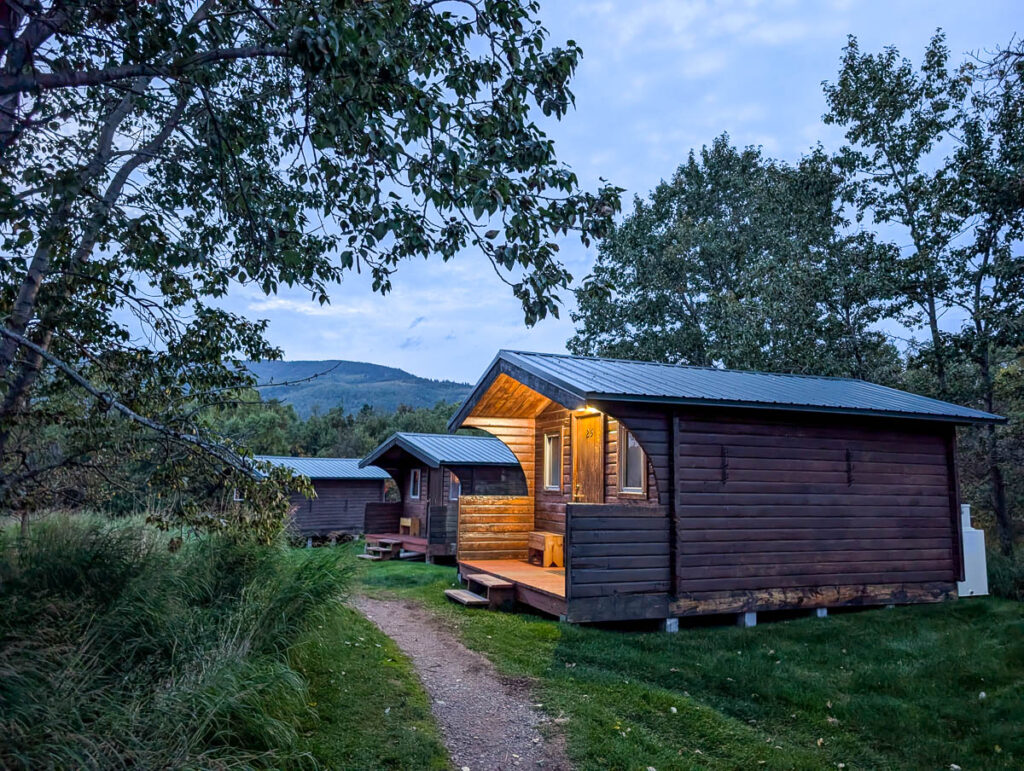
Brooks Camp Campground
It might sound crazy to want to camp near all of these bears, but Katmai National Park has it figured out and the Brooks Camp Campground is a very well setup area with nice facilities, proper bear-proof storage, and you also have access to the amenities of the Lodge.
- Bear-proof campground with an electric bear fence
- Restrooms and cooking shelter in campground
- Reservations required
- Approximately $18 per person per night during peak season
If you’re camping, you need to bring all of your gear so most likely need to plan to take the Katmai Water Taxi.
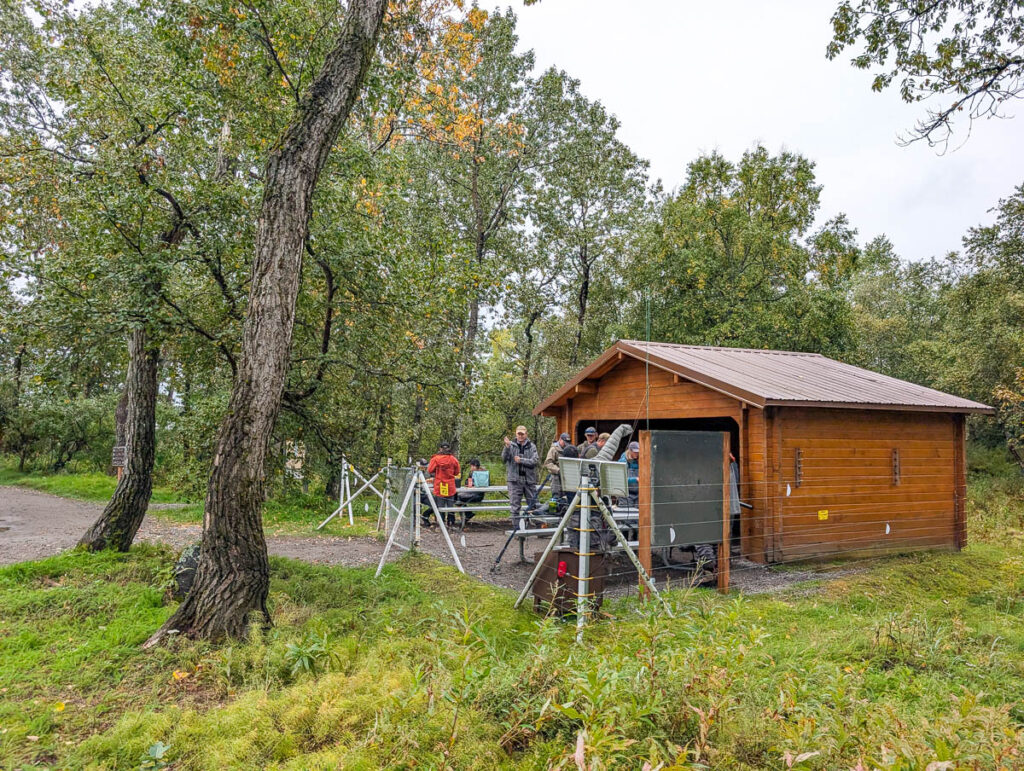
King Salmon
Many visitors stay in King Salmon and fly into Brooks Camp as a day trip. You can also do the Katmai Water Taxi. If you choose to do this sort of Katmai trip, it’ll still be very costly, but it opens you up to some other activity options including fishing charters, exploring between King Salmon and Naknek, and even staying in a vacation rental instead of a lodge.
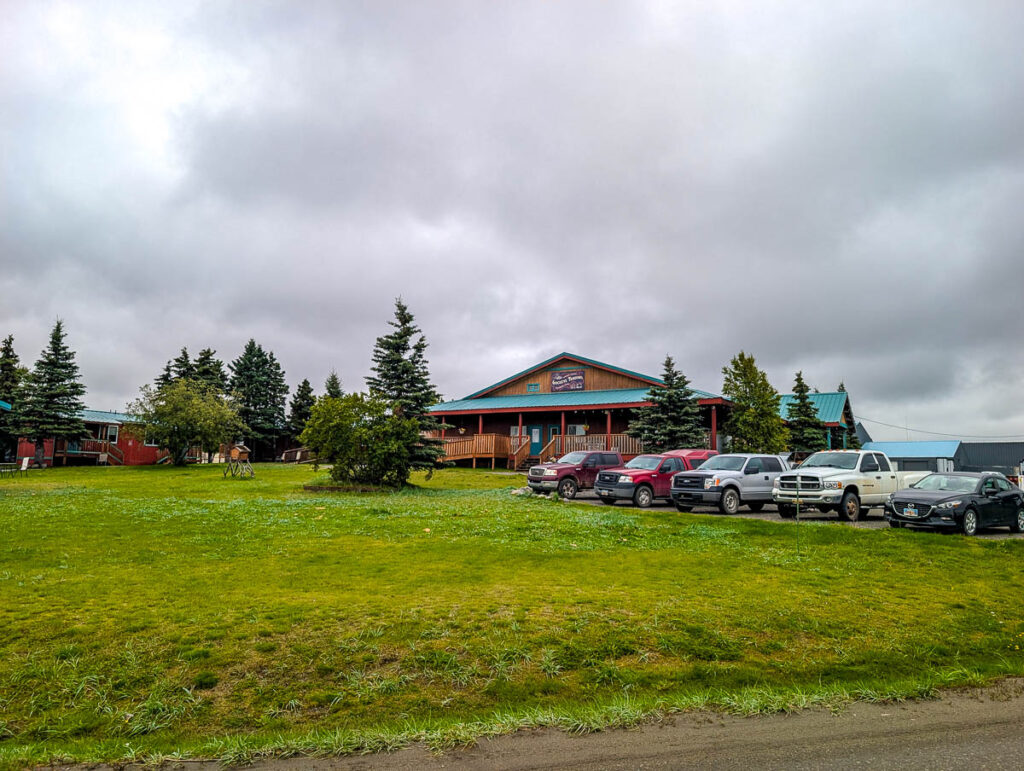
Typical Costs to Visit Katmai National Park
Here’s where the planning and budgeting starts. I talk a lot about money when it comes to visiting Katmai or Lake Clark National Parks because it really can be a cost-prohibitive adventure. It’s absolutely worth figuring out though.
- Commercial flight to King Salmon: $200-$500 round trip
- Floatplane to Brooks Camp: $250-$500+
- Brooks Lodge: Approximately $400-$700+ per night
- Per person cost of a two night stay at Brooks Lodge ranges from $1500-$1800, dependent on flight prices
Tip: we used Alaska Airlines miles for our flights to King Salmon and Anchorage, and they were very low-mileage costs per leg. That’s a great cost savings!
If you’re looking at just visiting for the day, which is still amazing, that’s a big cost too, but can be much less than a multi day trip. Day tours from Anchorage or Homer run approximately $900-$1400, depending on any deals, discounts or length of trip. (Remember we have a discount code above!!)
Three-day trips commonly total $1800-$3500 per person, depending on lodging and flights. We did three days from Anchorage with an overnight in King Salmon and two nights at Brooks Lodge, and the cost per person was just under $2000.
Lake Clark National Park Experience
So let’s talk about Lake Clark National Park and what makes visiting here so much different from Katmai. I think you’ll find that the infrastructure of Brooks Camp really is a boon for Katmai, but that same development is what make Lake Clark extra special: remote non-development is very peaceful and special.
What Makes Lake Clark Different?
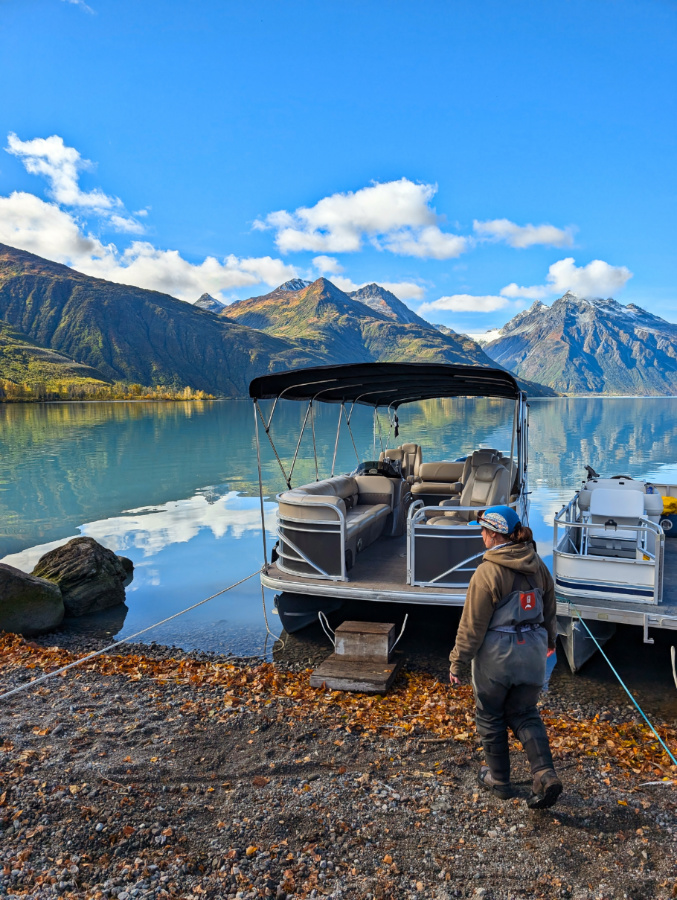
Lake Clark offers a much more immersive wildlife experience, not in terms of how much wildlife you see, but more of your direct surroundings. Rather than watching bears from elevated platforms, visitors typically accompany expert guides as they walk across beaches, tidal flats, and grassy coastal meadows while observing bears naturally foraging, or you are watching brown bears nearby from pontoon boats in the Lake Crescent area.
Many photographers consider Lake Clark the more intimate experience because visitors can often reposition themselves as bears move across the landscape. Instead of dramatic waterfall fishing, visitors witness coastal brown bears:
- digging for clams
- grazing on sedges
- fishing in shallow streams
- playing with cubs
- interacting naturally across expansive coastal habitats
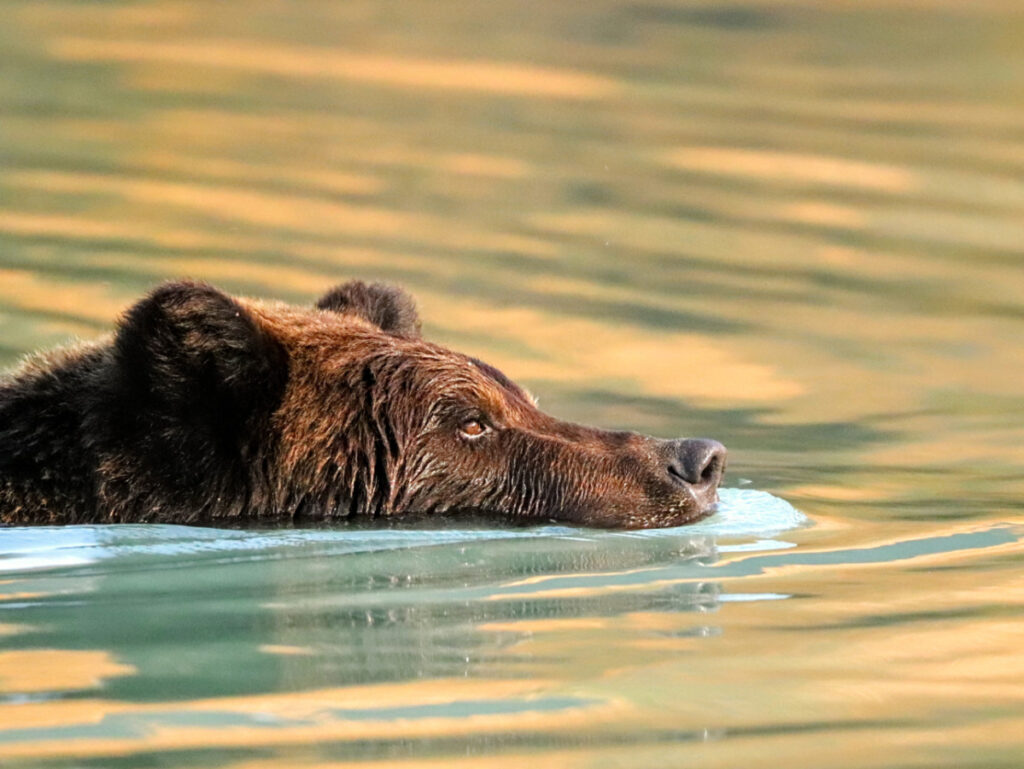
- swimming in lakes
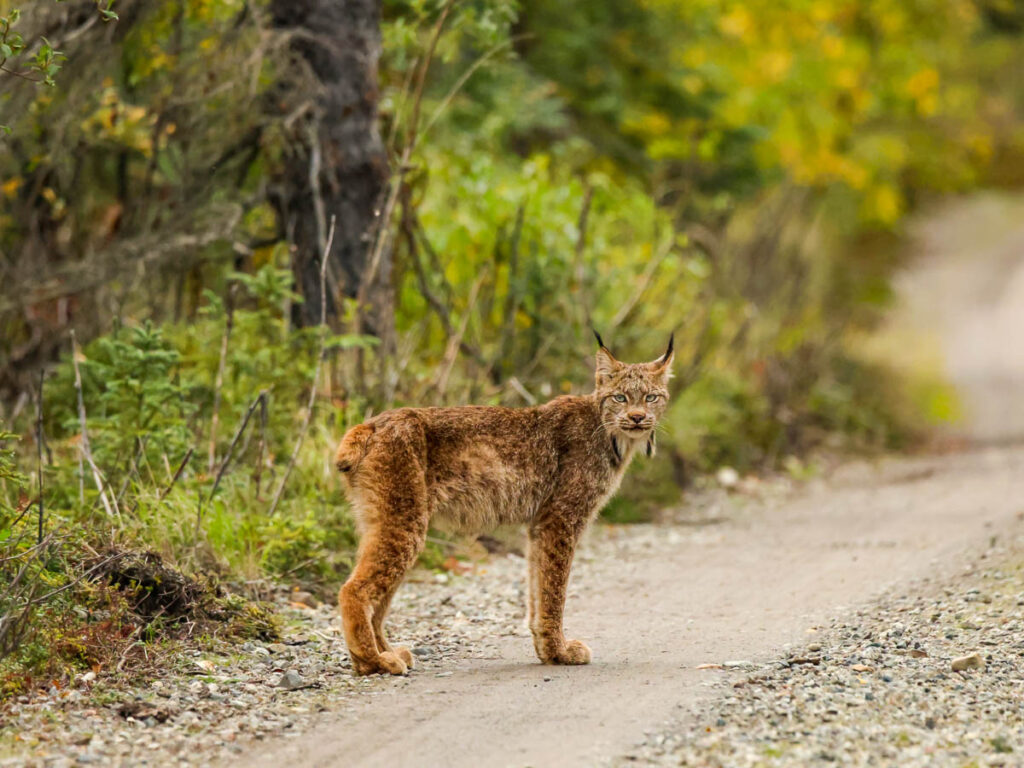
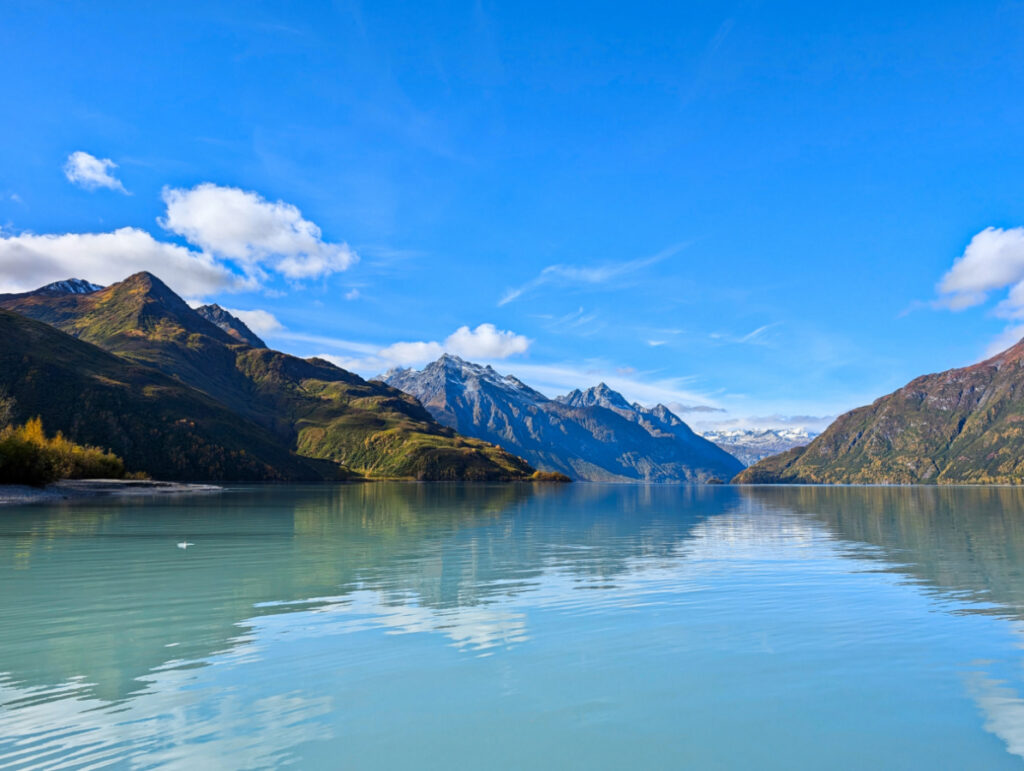
The scenery is equally spectacular, with glaciers, volcanoes, mountains, and Cook Inlet creating a dramatic backdrop. I guess what you have to consider when you compare Katmai and Lake Clark experiences is what you want you setting to be. Do you want to be mostly alone and remote or do you want to have a community of park-goers with infrastructure?
Where Do Visitors Go at Lake Clark National Park?
Similar to Katmai, Lake Clark has multiple bear viewing areas, each offering a different experience, but the most popular spots are Crescent Lake and Chinitna Bay.
- Silver Salmon Creek: This is a common destination for overnight bear viewing, accessible with flights from Anchorage, Homer or Soldotna. Bears frequent beaches and meadows throughout the summer.
- Chinitna Bay: Known for exceptionally large bears feeding on sedges in spring and salmon later in summer.
- Crescent Lake: Remote backcountry destination offering bear viewing alongside world-class fishing. You can also stay overnight at the Redoubt Mountain Lodge on Crescent Lake.
- Port Alsworth: The park’s primary community and gateway, offering access to hiking, kayaking, and flightseeing. There are daily bush flights into Port Alsworth and camping options.
Most bear viewing occurs along the Cook Inlet coast rather than in the mountainous interior, but if you’re flying in for the day the floatplane company will go to where bear viewing is best at the moment. The pontoon boat tours on Lake Crescent are really special and truly are a unique wildlife experience.
How Do You Get to Lake Clark National Park?
Like Katmai, there are no roads into most of the park. You must plan this trip and the transportation can be costly. Visitors generally either:
- Fly from Anchorage to Port Alsworth (bush plane) for camping and the Visitor Center
- Take a floatplane from Homer or Anchorage directly to coastal bear viewing sites or Crescent Lake
Many operators offer day trips, but overnight stays provide significantly better wildlife opportunities because you get to be there for so much longer. Lake Clark National Park is unique in that it has quite a few privately operated lodges. Most national parks have designated concessionaires, but here things are done differently.
Best Bear Viewing Seasons at Lake Clark National Park
So when should you plan to visit Lake Clark National Park? Wouldn’t it have the same sort of bear activity schedule at Katmai NP? Kind of, but also it is a little different given the more coastal bear viewing opportunities.
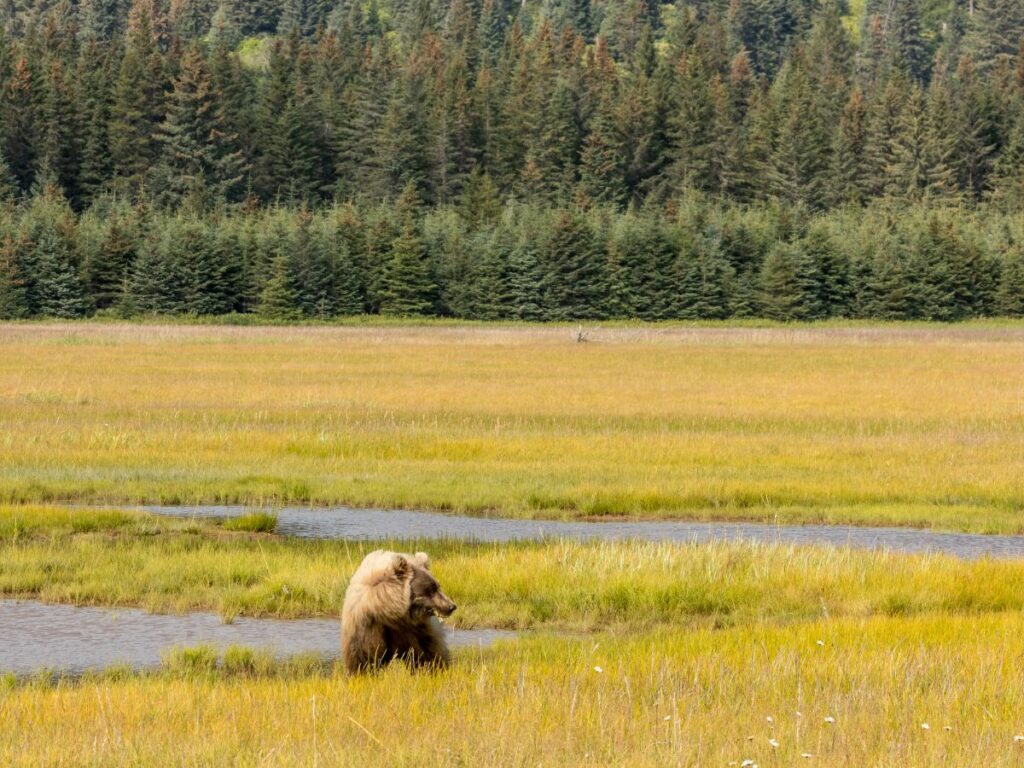
- Mid-May through June: Perhaps the best time to visit because this is when the bear are freshly awake and active, and they congregate in lush sedge meadows after emerging from hibernation. Cubs are especially common and the most enjoyable to watch.
- July through August: Salmon begin arriving in streams while bears continue using beaches and meadows. This is when the bear viewing spreads out a bit more.
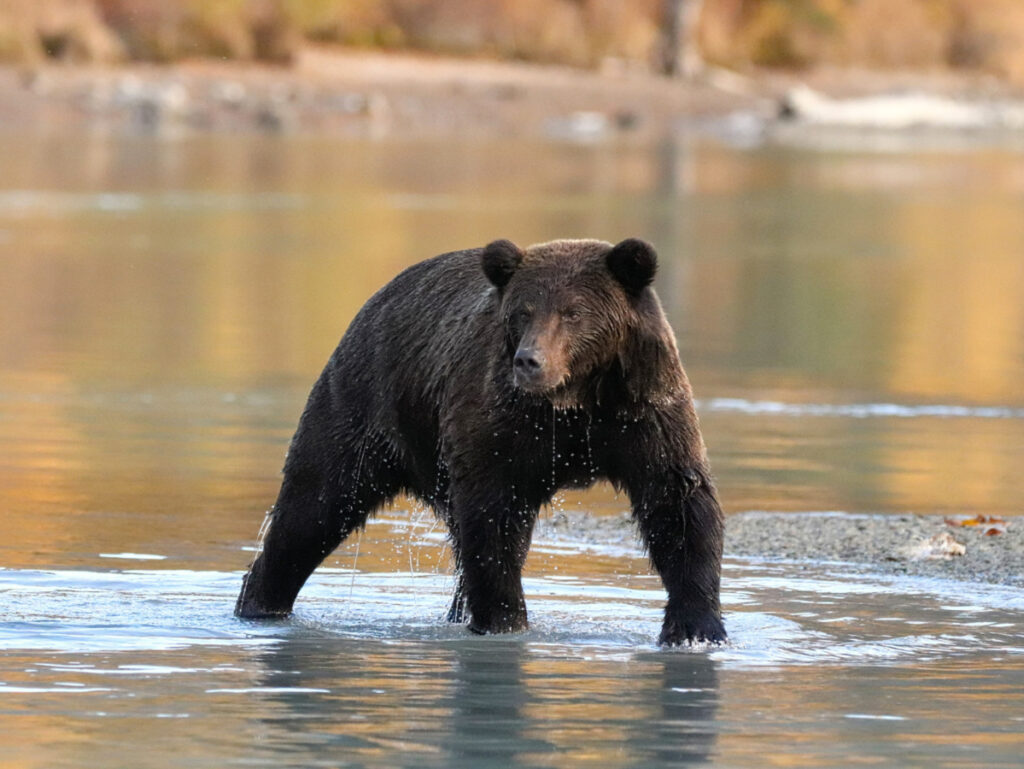
- September: Excellent viewing continues with fewer visitors and beautiful fall colors. This is MY FAVORITE as the salmon have made it into Crescent Lake and the brown bears are all along the shores and in the rivers. It’s incredible.

Lodging Options at Lake Clark National Park
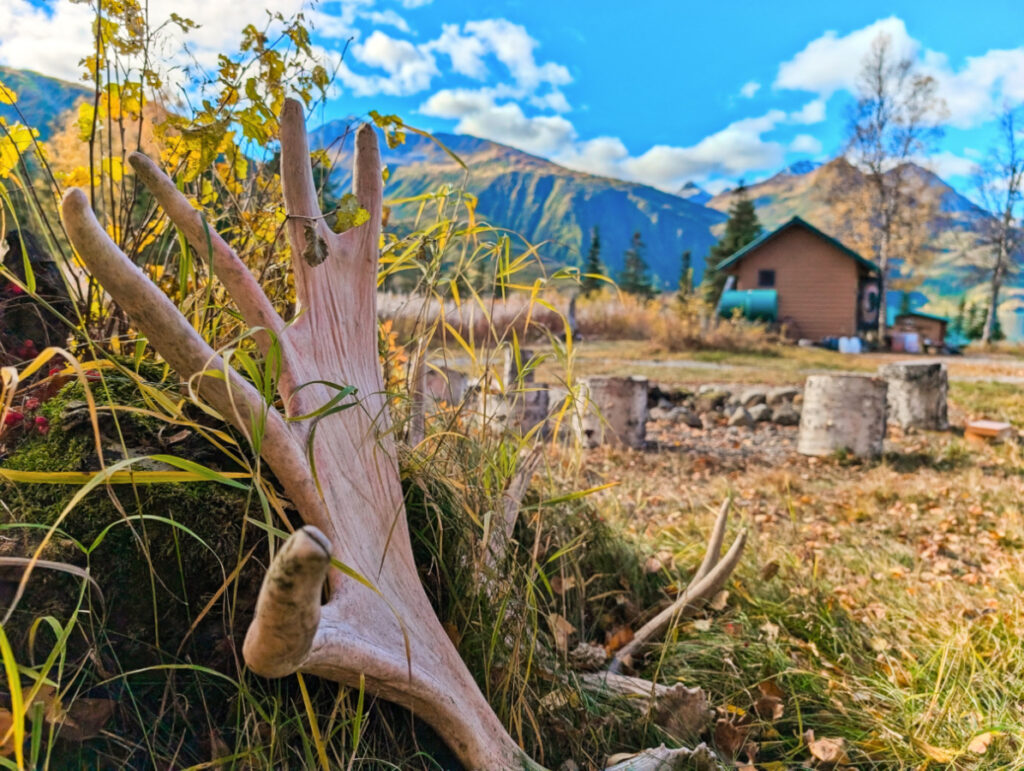
Unlike Katmai, lodging is spread throughout the park and it’s all run by individual operators and families. Lake Clark National Park lodging options include:
- Redoubt Mountain Lodge on Lake Crescent – I’ve been here and think it’s lovely, amazing setting
- Silver Salmon Creek Lodge – Maybe the best-known bear viewing lodge with guided daily excursions.
- Alaska’s Gold Creek Lodge – Luxury wilderness lodge offering bear viewing and fishing.
- Private Fly-In Lodges – Several remote lodges provide all-inclusive multi-day packages.
- Port Alsworth Lodges – Smaller accommodations ideal for visitors exploring multiple parts of the park. Most packages include lodging, meals, guided bear viewing, and transportation.
Typical Costs for a Lake Clark National Park Trip
The costs for visiting Lake Clark National Park are more straight forward than visiting Katmai since there are fewer variables. You’re not doing a lottery system or trying to mix fishing, bus tours, and bear viewing all at once.
- Day trips: Approximately $900-$1500
- Multi-day lodge packages: $2500-$6000+
- Luxury wilderness experiences: $5000-$10,000+
Lake Clark National Park visits generally costs more than Katmai because most visitors stay at remote all-inclusive lodges, but for just the day trips, it can be a less expensive option because it’s less well known than Katmai NP. When you’re planning your bear viewing, ask the flightseeing operator which is the best value at the moment.

Biggest Differences Between the Katmai and Lake Clark
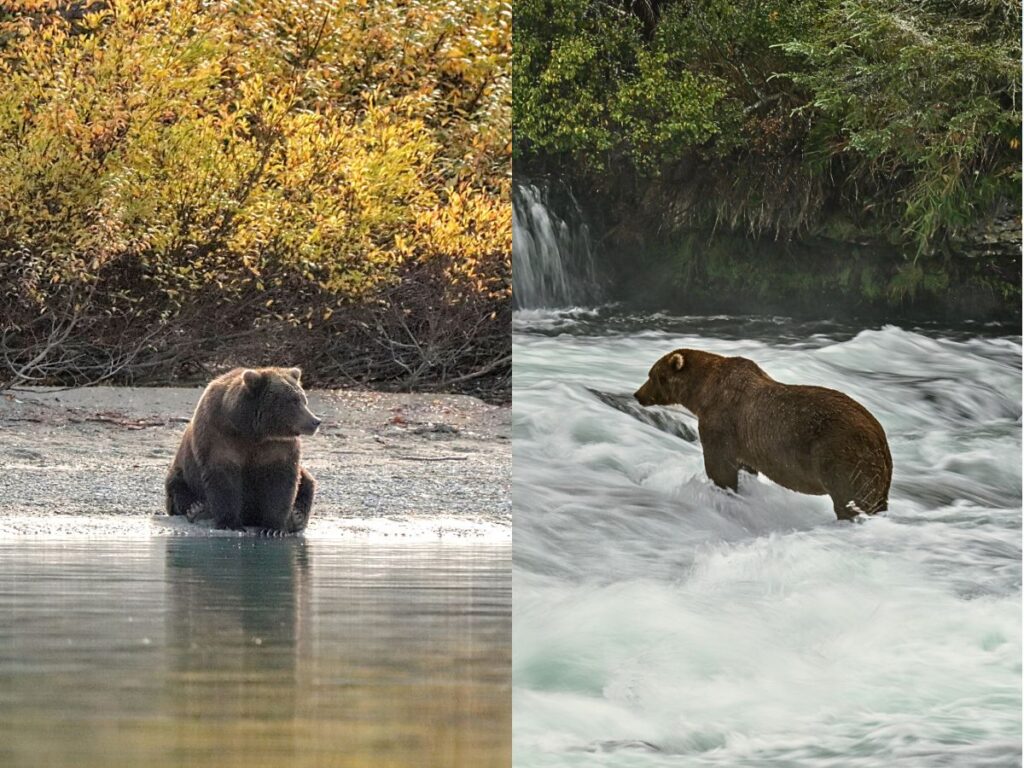
Katmai is about witnessing one of nature’s greatest and most famous wildlife spectacles. Visitors come specifically to watch dozens of bears fishing at Brooks Falls. The experience is very structured, with viewing platforms, ranger programs, established trails, and a famous lodge. It is the most iconic bear viewing destination in Alaska and offers perhaps the highest probability of seeing bears actively catching salmon. At peak times, the main bear viewing platforms have time limits for visitors to ensure equal access to bear viewing.
Lake Clark feels much wilder and more personal. Rather than observing bears from platforms, visitors walk with experienced naturalist guides through coastal habitats where bears live naturally. Encounters tend to be quieter, less crowded, and more immersive, emphasizing bear behavior within the broader ecosystem rather than a single famous fishing location. Even in the busiest season, Lake Clark National Park and Preserve is so big with lots of access points, so human interactions are at a minimum.
Which Park Should You Choose: Katmai or Lake Clark?
I’m going to way over-simplify it now. Choose Katmai National Park if you:
- Want to see the iconic bears catching salmon at Brooks Falls.
- Are visiting Alaska for the first time.
- Prefer established trails, viewing platforms, and visitor facilities.
- Want one of the most recognizable wildlife photography opportunities in the world.
Choose Lake Clark National Park if you:
- Prefer fewer crowds and a more exclusive experience.
- Want to observe bears at ground level in a variety of settings.
- Enjoy luxury wilderness lodges and guided adventures.
- Are interested in photography that emphasizes landscapes, beaches, glaciers, and unique wildlife encounters.
If time and budget allow, many experienced Alaska travelers recommend visiting both parks. If I had an endless budget, every summer I’d go to both. They complement each other rather than compete. Katmai offers the unforgettable spectacle of bears fishing at Brooks Falls, while Lake Clark provides a quieter, more immersive experience that is a peek the daily lives of Alaska’s coastal brown bears in one of the wildest landscapes remaining in North America. So, which one are you picking?
CHECK OUT RUST’S FLYING SERVICE FOR KATMAI DAY TRIPS – When booking online or over the phone, use code 2traveldads for a 10% discount on your passage!
Now that you have the biggest differences and sights of both Katmai and Lake Clark National Park laid out, please do let us know if you have any questions or need help planning and booking your trip. Both parks are special experiences, and if you need some additional recommendations, we’re always happy to share more. Leave a comment or send us a note if you want some support in setting up your amazing Alaska bear viewing adventure!